Goodbye Wiffy
Posted on January 28, 2026 Leave a Comment
29 January 2026
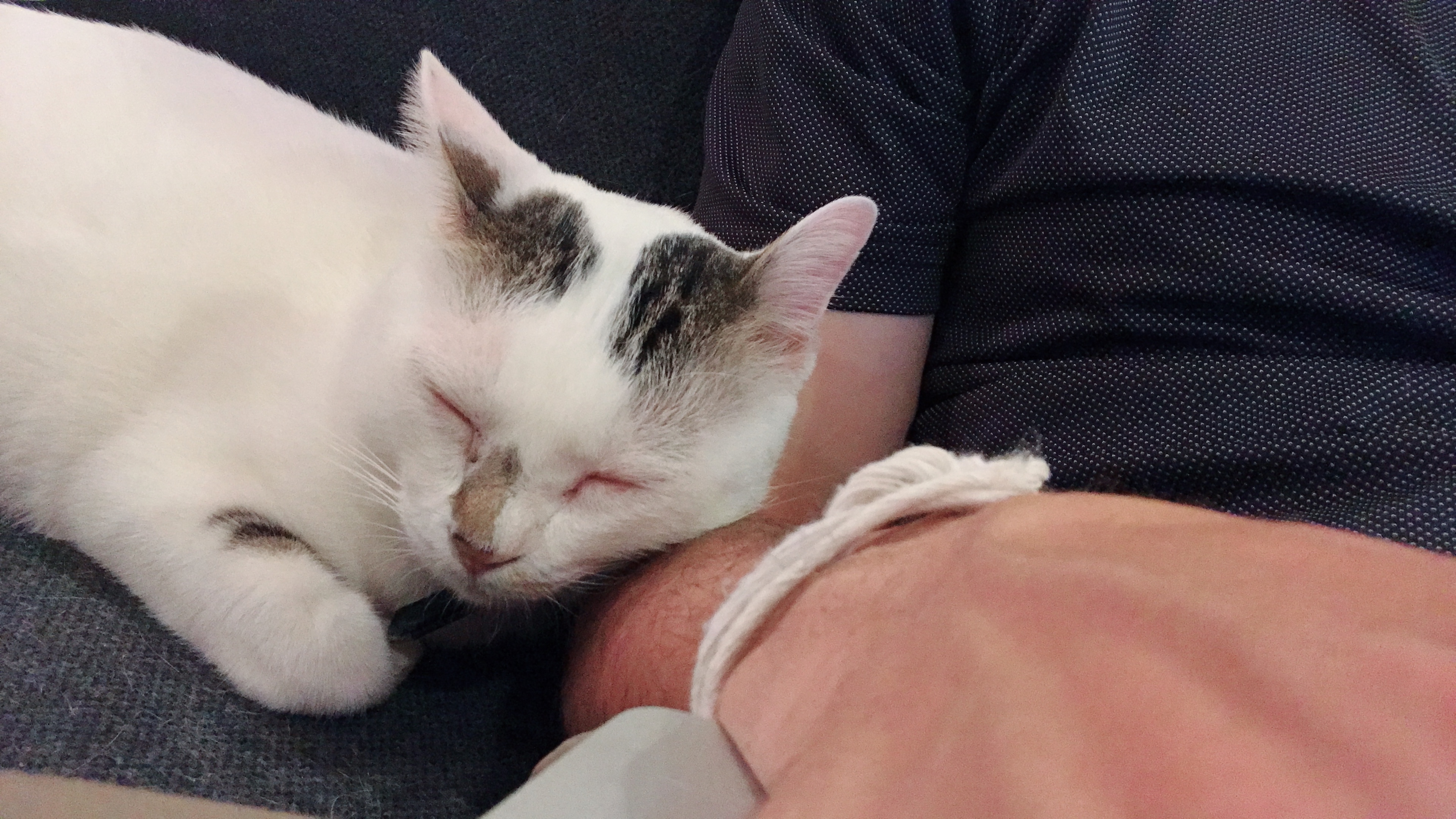
It feels selfish or silly to post about a dying cat when the world seems to be falling apart, but our little world felt like it fell apart earlier this month when we got the news that our cat, Wiffy, was killed in our backyard by another animal — likely a coyote. We weren’t planning on saying goodbye forever when we left Baton Rouge to come to Bangkok for my sabbatical. Wiffy had been living the dream life of an indoor-outdoor cat in the Baton Rouge suburbs for the last 7 years and we knew Bangkok life wouldn’t suit him, so we made the difficult decision to leave him behind. Wiffy was 12 years old and in good health, so we arranged for an LSU student to live in our home rent-free in exchange for looking after him.
Even if you think you’re doing everything right, sometimes it doesn’t work out, and in the worst possible way.
My mom called me with the news that something had killed Wiffy in the backyard. I sped home on my motorbike to tell Khai. Wiffy was her baby and constant companion. She got him as a kitten in 2013 just after we had met, so as long as I’ve known Khai, she’s had Wiffy. I even watched Wiffy as a kitten when she went out of town. Wiffy lived with Khai (and me) in so many important places in our lives. In Chiang Mai, he even did a stint with Esther and Rob at the “Nest.” He lived in Chiang Kong with Khai’s sister when Khai came to visit me in the US in 2015. And then, of course, he moved to Washington, DC, after Khai and I got engaged. He no doubt lived more than 9 lives, braving the rat-infested streets of Northwest DC. When we packed him into our moving van to drive down to Baton Rouge in August 2018, he was a trooper yet again. When we finally moved into our home on Valley Forge Ave, he loved the quiet, wide streets with many adventures to be found. A land to conquer. We installed a cat door for him, but he never used it (despite our attempts at training him), and insisted on waiting to be let in and out.
Hearing of Wiffy’s death made my heart sink, for Wiffy but more so for Khai. Khai’s parents died long ago, and Wiffy was one of her closest relationships. Whenever we went on trips, without fail, Khai would mention that she missed Wiffy within hours of departing. And it’s true that Wiffy was a remarkable cat. He was grumpy and stubborn, but also loved attention and was patient with those wanting to give him cuddles. In DC, he joined our house parties and late-night discussions, often sitting right in the center of the room. Our housemate Landon loved to spin him around on the floor. And our other friends, Trey and Kamilah, referenced Wiffy as a big reason they ended up getting a cat themselves. When our kids came along, Wiffy embraced them and treated them like his little family members. He patiently let them lie on him or tug his tail. And we often found him napping in their cribs or at the end of their beds.
Wiffy and I also had a special bond. Khai didn’t like sleeping next to Wiffy because his movements woke her up, so I became Wiffy’s heater in the winter months when he preferred sleeping with us. In the summer, it flipped, and he would explore at night and sleep during the day. Unsurprisingly Wiffy hated baths, but Khai insisted on bathing him often, and he came to accept his routine baths. Of course, he would often find my chest to lie on after a bath to try and warm up while he licked himself back to his version of clean.
It’s taken a while to post this, and I know it comes across as disorganized and stream-of-consciousness. That’ll have to do for now. The days have gotten better for Khai, but we both have a big hole in our hearts. I made a reel on social media, but it’s been hard to watch, and I’ve mostly wanted to avoid it. Perhaps a good thing to reflect on in my own grief process. And the world continues to grieve much bigger things than a beloved cat. But I’m learning that grief is not measurable in a way that would make it comparable in any useful way. It is deeply personal and idiosyncratic. It’s a journey.
Onward.
Against the backdrop of the waves.
Posted on September 10, 2025 1 Comment
10 September 2025
It’s been over a month since we moved to Thailand for my sabbatical, and it’s taken about that long for me to catch up on everything that got away from me during a hectic spring and summer. My term as the Associate Director of the School of Leadership and Human Resource Development ended this summer, which was a humbling learning experience. While I have some of the ingredients of an administrator (a modicum of social skill and a desire to serve others), I learned just how little administrative skill I possess, and how hard and time-consuming it is. My boss-for-a-year, Dr. Ed Holton, re-retired this summer. In our last meeting, I told him how I will always look back on this year with gratitude for his mentorship.
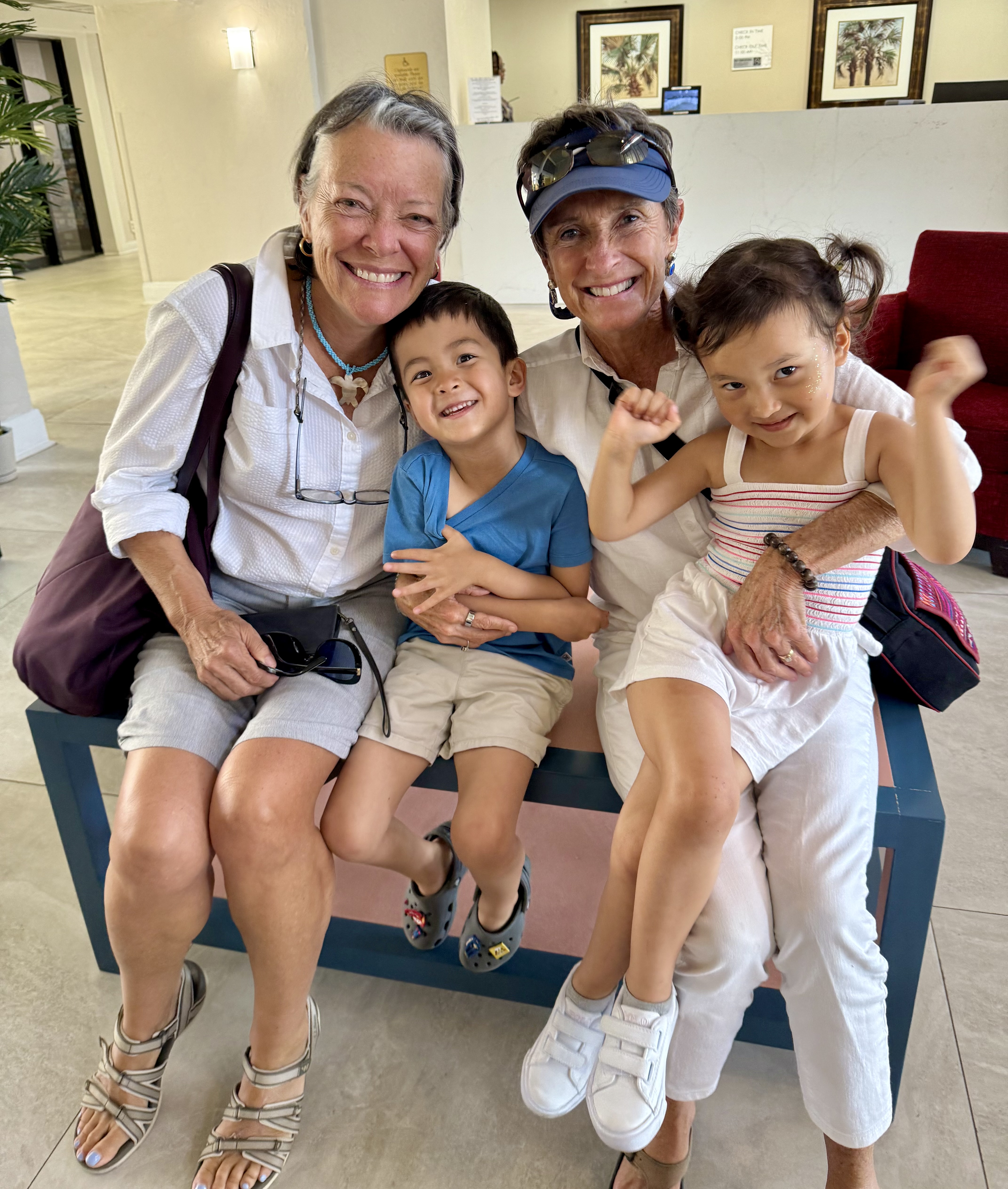
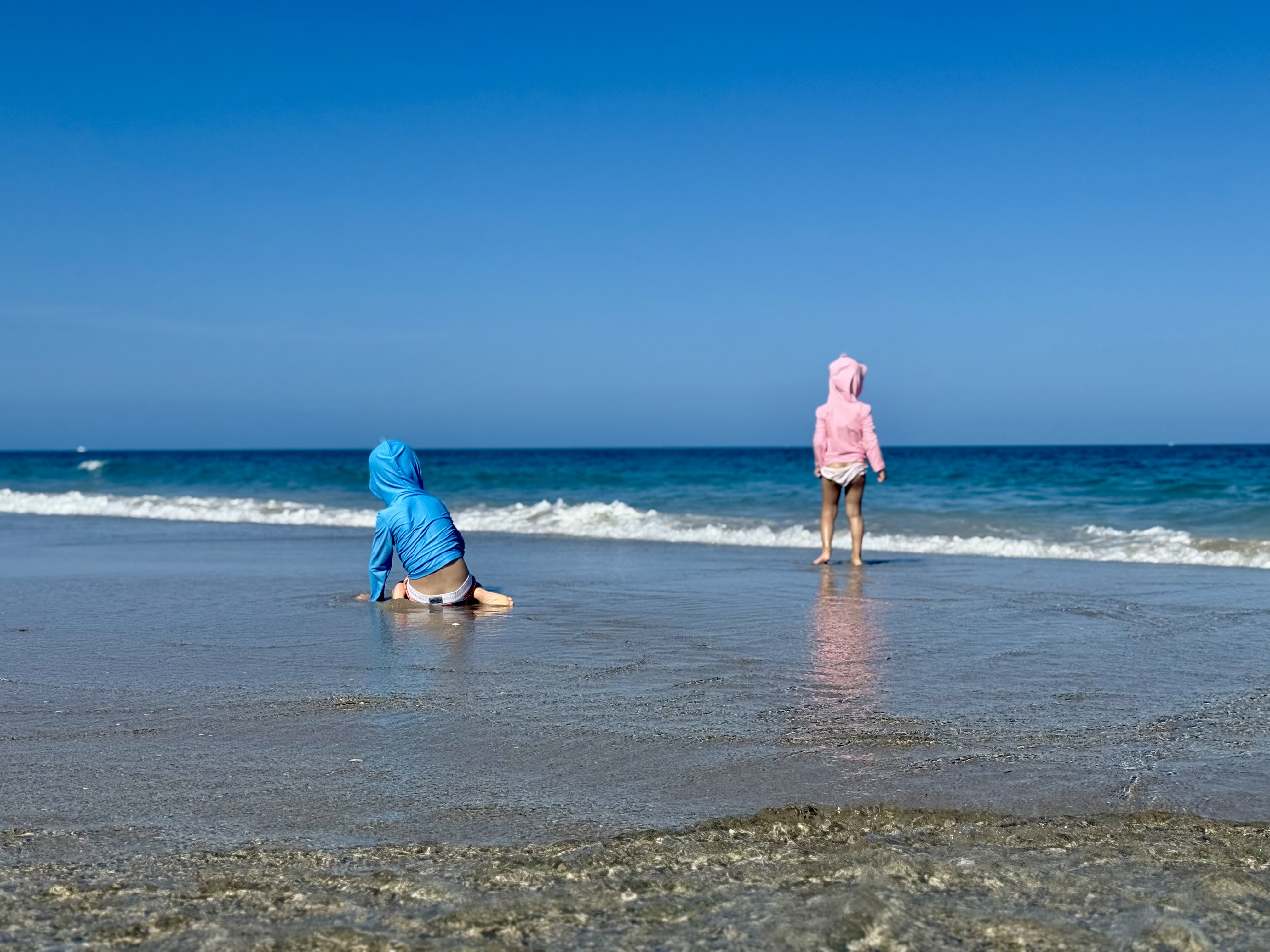
We took advantage of our proximity to beaches and drove to Florida during spring break for Khai to speak at a Friends of Thai Daughters event. Aden and Alice love their Grandma Jane and Grandma Patty, and they’ve been a faithful and supportive presence in our lives. I know a lot of ink has been spilled on the reflective power of the ocean, but I’ll add that I love seeing little humans playing on the vast shore. Or perhaps it’s the contrast of youth amidst the timeless sands. We have but a short time on this blue dot.
Lots happened in Baton Rouge this spring. A new local library opened less than a mile from our house. We attended the St. Patrick’s Day parade again, which was an absolute blast with the kids and friends. I volunteered at the giant LSU Book Bazaar – and even made the newspaper. Of course, it was all a guise to get a good look at the selection before opening day. We dyed Easter eggs, attended the Baton Rouge Asian Food Festival, and hosted a group of 25 young leaders from all 11 Southeast Asian countries at our home for a Louisiana lunch as part of the YSEALI program. Aden discovered a love of “games,” meaning board games, and cutely (but incessantly) nagged us to learn new games for a period of about 2 months.

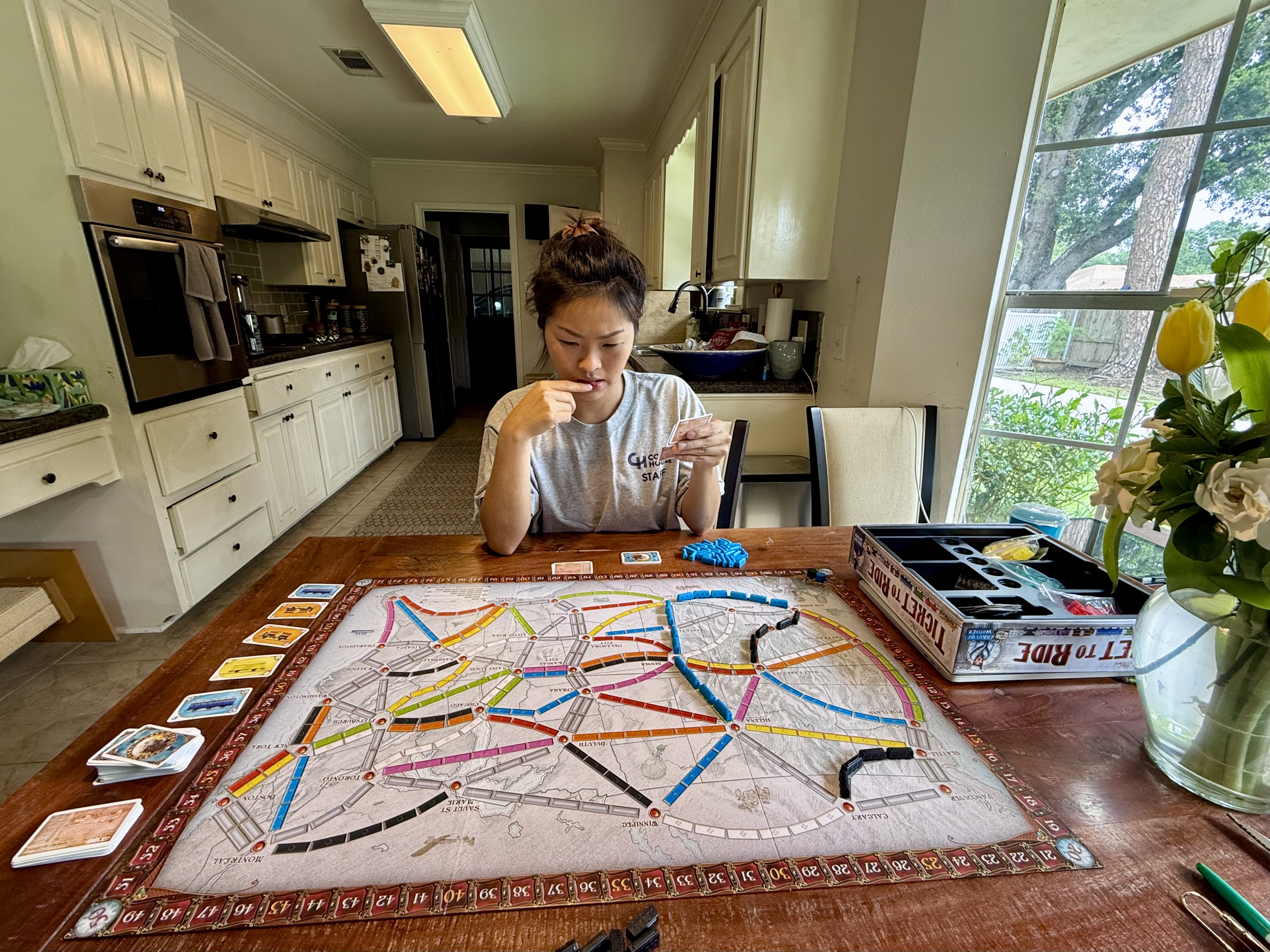
For Mother’s Day, Aden was happy to get Khai a board game (Ticket to Ride), which she somehow hadn’t played yet, and we played about 50 games before the flowers began to wilt. Unfortunately, we’re both too competitive for our own good… ha!
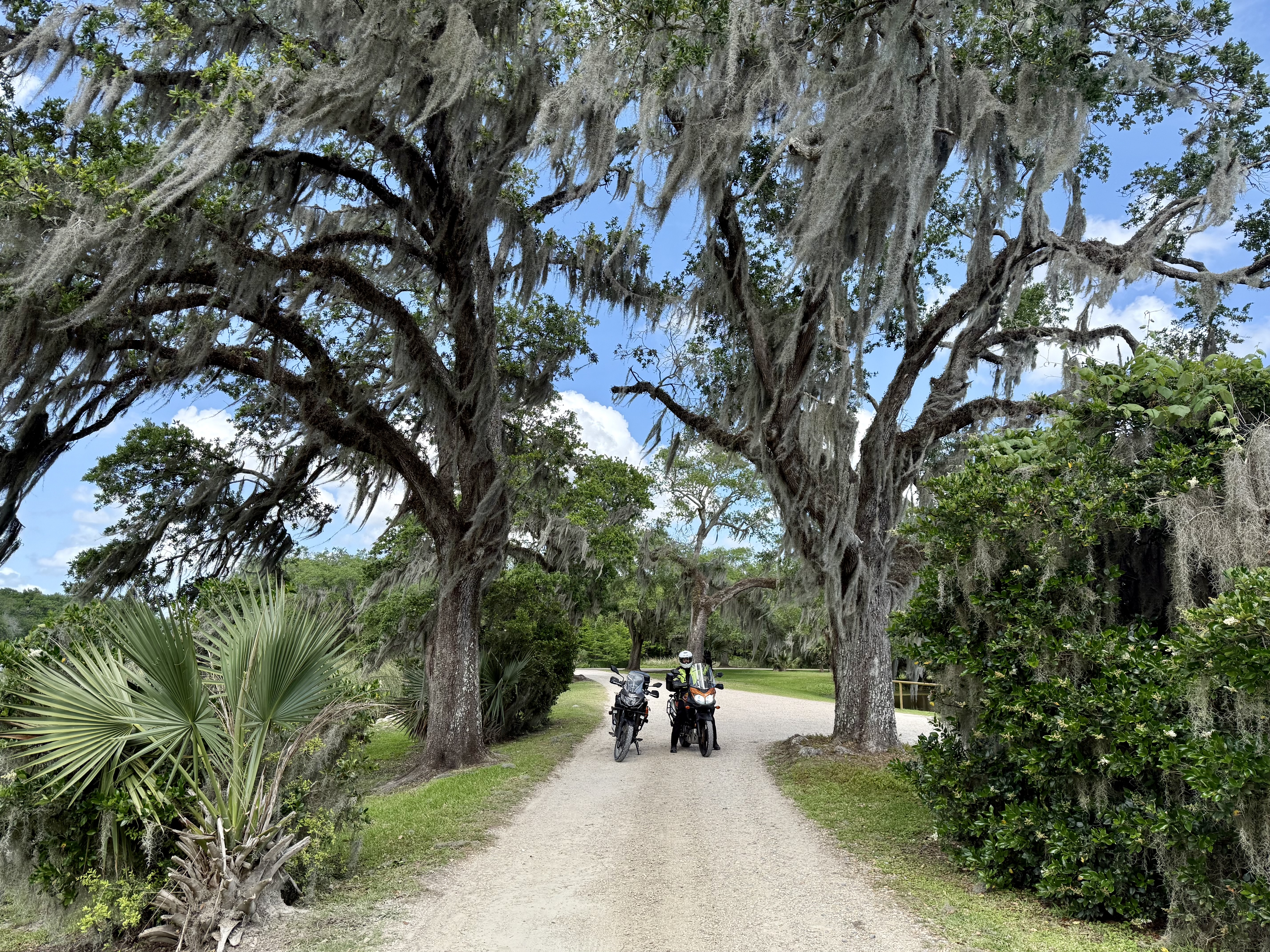
My uncle Hi, whom I exclusively refer to as “Motorcycle Hi”, came to visit as well, which allowed us both to fulfill a dream of riding motorcycles with a family member! We took several day trips during his visit, including our first time visiting the Tabasco distillery on Avery Island. We also happened to be in St. Francisville on the exact day of the Angola Prison rodeo, which I had read about in How the Word Is Passed and couldn’t pass up seeing with my own eyes. I love my uncle so much, and I’m so glad we were able to ride through Louisiana together. I can’t wait for our next ride!
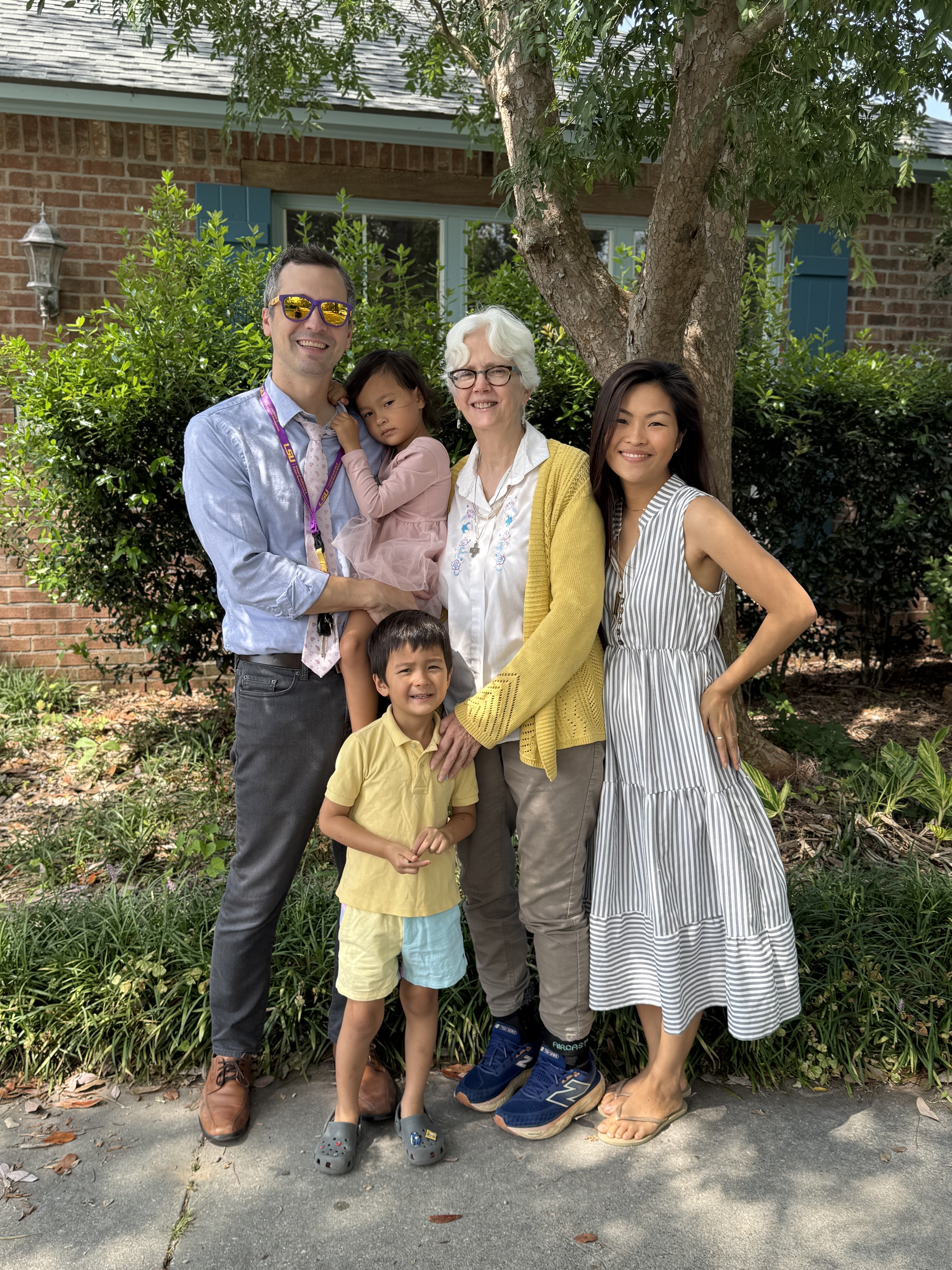
Aden and Alice finished up the year at their Montessori school, which was bittersweet. Aden spent three years with Miss Erin and Miss Kendall, who both loved him so much. Alice’s teachers, too — even though she was only there one year. Alice grew so attached to Miss Keisha and Miss Kristen. We’ve loved having my mom so close, too. She’s been a faithful member of our family. When her car pulls up to the house, our dog Brown would bark excitedly, and the kids would yell, “Mimsy!!!!” I miss those times being in Bangkok now. When my mom would visit, after playing with the kids, we would sit down over dinner or drinks and chat about life, politics, work, books, and everything in between.
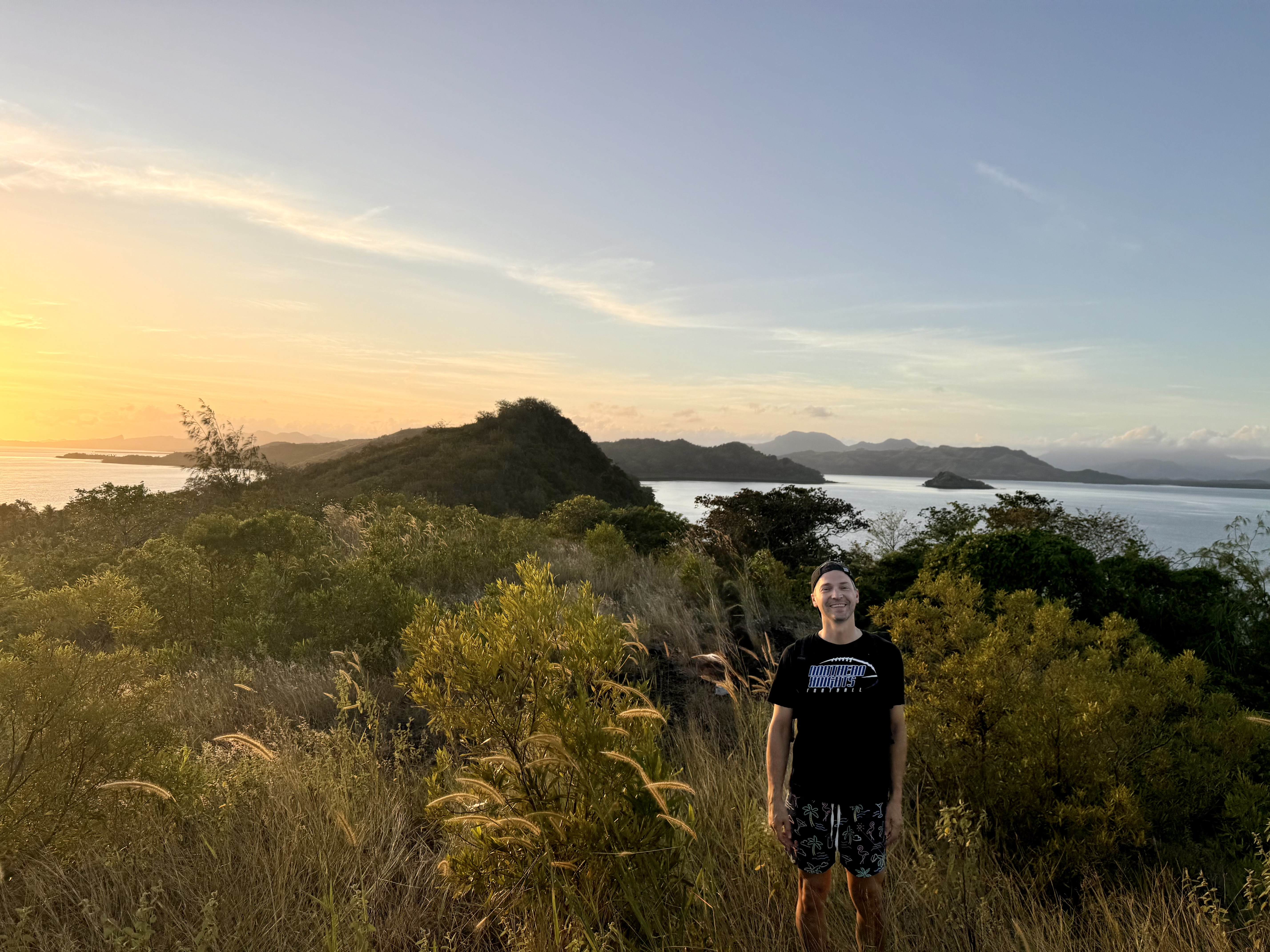
After visiting Fiji last year for the first time, I led a study abroad trip there in late May/early June along with a professor from the Department of Oceanography at LSU. The program was called Coastal Sustainability and Indigenous Leadership in Fiji. We had seven brilliant but very different LSU students, and we shared the island with another group of students from Auburn University. One of the highlights was that the author of one of our readings about Indigenous leadership in the Pacific serendipitously came to the little island of Vorovoro on a research trip, and we got to meet her and talk with her. Island magic.
When I got back, it was a mad rush to finalize preparations for the Mandela Washington Fellowship, where we welcomed 24 young leaders from 18 different Sub-Saharan African countries to campus for a six-week leadership institute. I was elevated to the position of Administrative Director when last year’s admin director left LSU. It was a challenge being short-staffed, but very rewarding, and yet another opportunity for me to hone my administrative skills. The Fellows were all talented, experienced, and passionate leaders from a variety of industries. I’m proud of the institute that we offered them this year, and I’m excited to follow their journeys. They also made the paper.
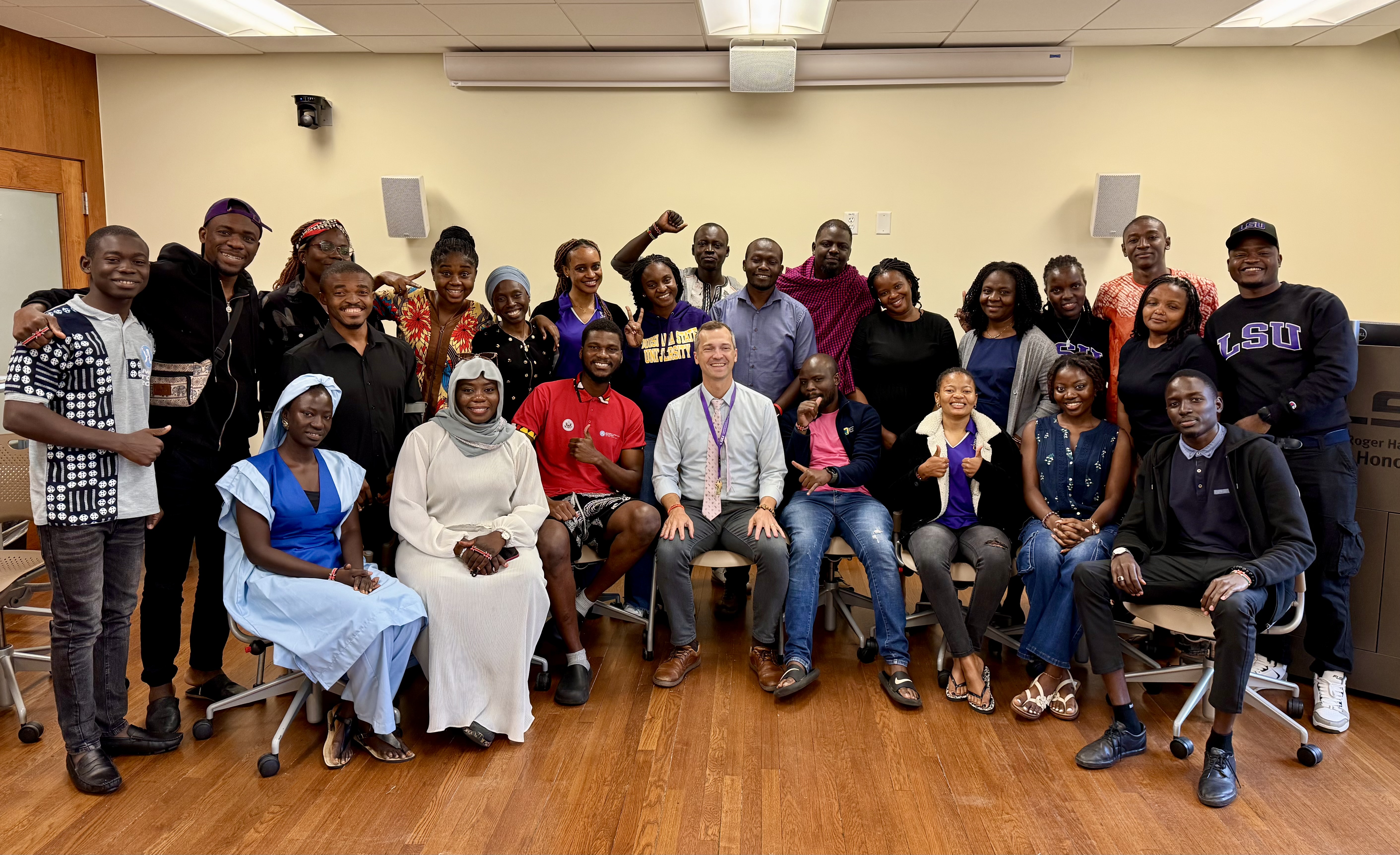
One notable highlight for me was when we took the Fellows to the Elayn Hunt Correctional Center through the Louisiana Parole Project to spend 3 hours talking in small groups with the incarcerated folks there. It awoke something inside of me (that experience, along with visiting a wrongfully detained international phd student in a Louisiana detention center twice this summer — more on that later). I’m starting to feel like this is an area I could make a contribution to. I was shocked to find that LSU doesn’t do much with incarcerated people in terms of workforce readiness, etc. I drove to Chicago in November 2024 and met up with an old mentor, Matt Puffer, who is doing work with incarcerated individuals, which is really what started it all. More on this later, though.
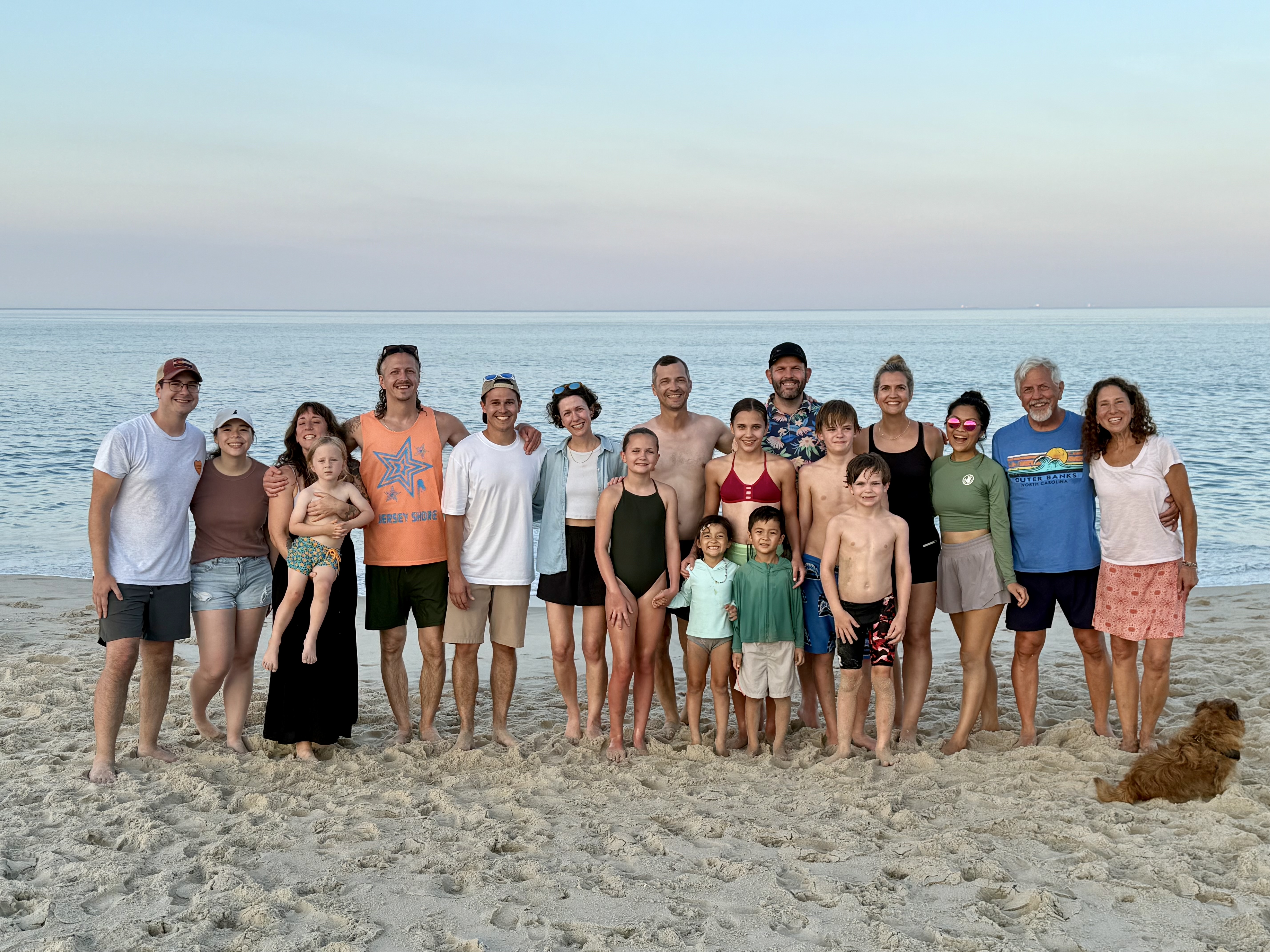
The morning after we said goodbye to the Fellows at the closing ceremony, Khai, the kids, and I were on a plane out of Baton Rouge for the year. We spent a week at the Delaware shore with my dad for his 70th birthday (a great place to reflect on a long life), and then left directly on a plane from Philly to the Land of Smiles. I’ll stop there for now.
Onward.
New eyes
Posted on March 9, 2025 1 Comment
March 9, 2025
When the wheels touched down in Baton Rouge on the evening of February 22nd, it marked my return from my second trip to DC in 2025. I had also been to Southeast Asia twice since the year began. While travel can bequeath “new eyes,” as Marcel Proust famously wrote, it can also give you a new vantage point for the value of home.
To pick up where my last post left off, October through mid-December was a blissful period in Baton Rouge, full of experiencing the world with my beautiful children and wife. We’re in the golden years of Halloween with Aden as a skeleton and Alice as a princess. I have to text our neighbors ahead of time to ensure they’ll have something for our kids since most of the neighbor’s kids are my age. Not since my youth in Pittsburgh have I known this high percentage of my neighbors. I love that our kids know which house is Gigi’s, Mr. Johnny’s, Miss Elaine’s, Uncle Fini’s, Mr. Mike’s and Miss Cynthia’s, Miss Valencia’s and Mr. Michael’s, Mr. David’s, and Miss Bonnie’s. Our street is an extension of our home.

During that euphoric time together, the kids came to see me play pick-up frisbee, we worked on the garden in our new greenhouse, grilled Thai-seasoned pork with friends, went to an LSU Football game, attended the Louisiana Book Festival, had international students over for Thanksgiving, saw the Louisiana wildlife in our first swamp tour, baked and decorated gingerbread cookies from scratch, attended a Loy Krathong food festival at the New Orleans Thai temple, and decorated our Christmas tree. I am so dang lucky.

But then the trips I had planned — perhaps in haste — came to roost. The ideas for trips that had seemed great at their conception (“good for my career/goals,” “will build my network for the future”) now seemed less necessary or urgent because they pulled me away from my two favorite humans. Unfortunately, with rising costs, Aden and Alice couldn’t accompany me to Thailand for my study abroad trip as in years past. We also made that decision knowing that my sabbatical was approved for Fall 2025-Spring 2026, which will bring additional opportunities for them in Thailand and costs to save for. Khai joined me initially to get settled and travel a little with my brother Martin, his new wife Kristen, and my cousin and his family. I was able to disassociate enough from missing my kids to enjoy some wonderful times with them as I prepared for my study abroad students to arrive. Special thanks to my mom, yet again, who watched the kids in our absence and who gave them a memorable Christmas in Memphis with their cousins (thank you, Elza).
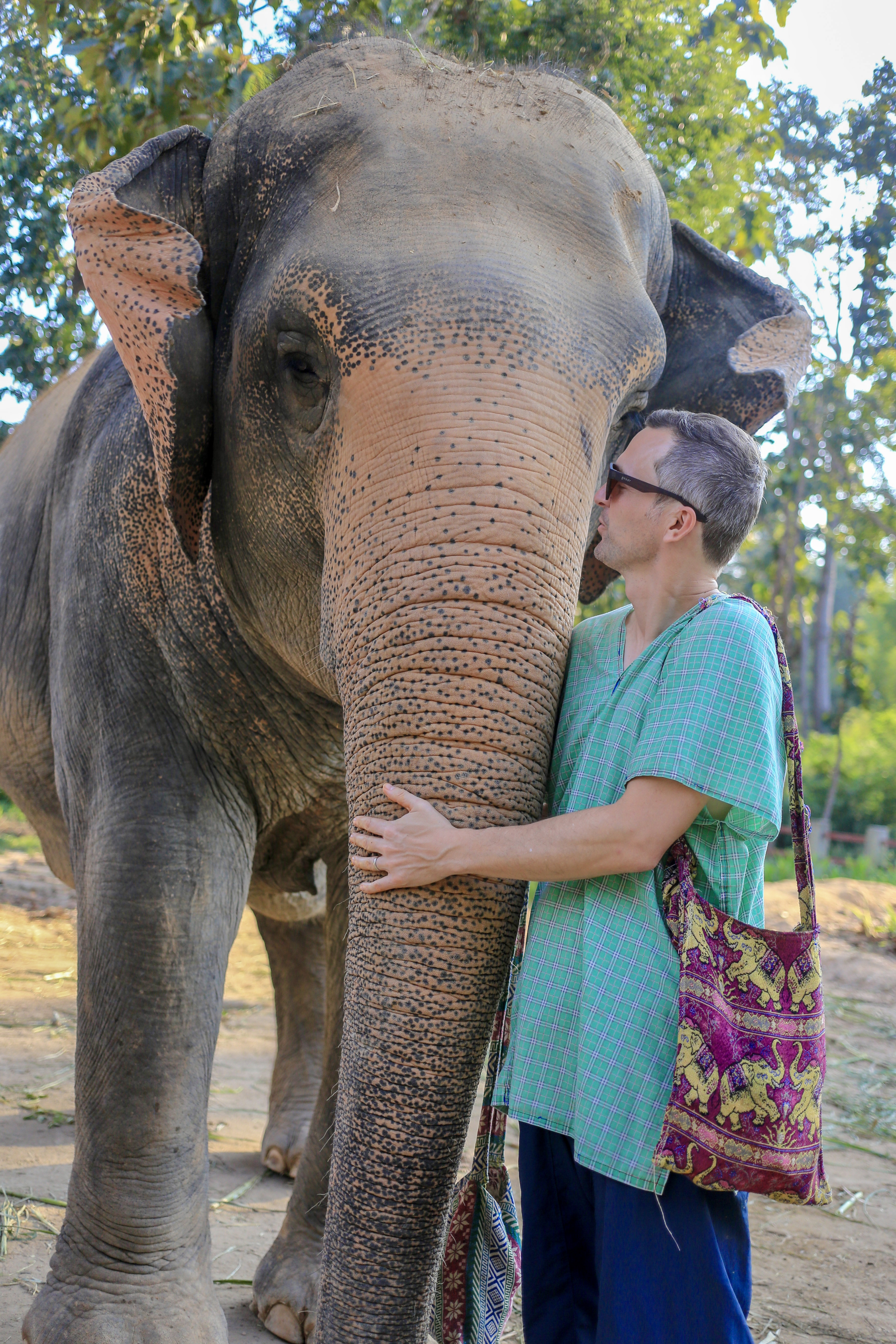
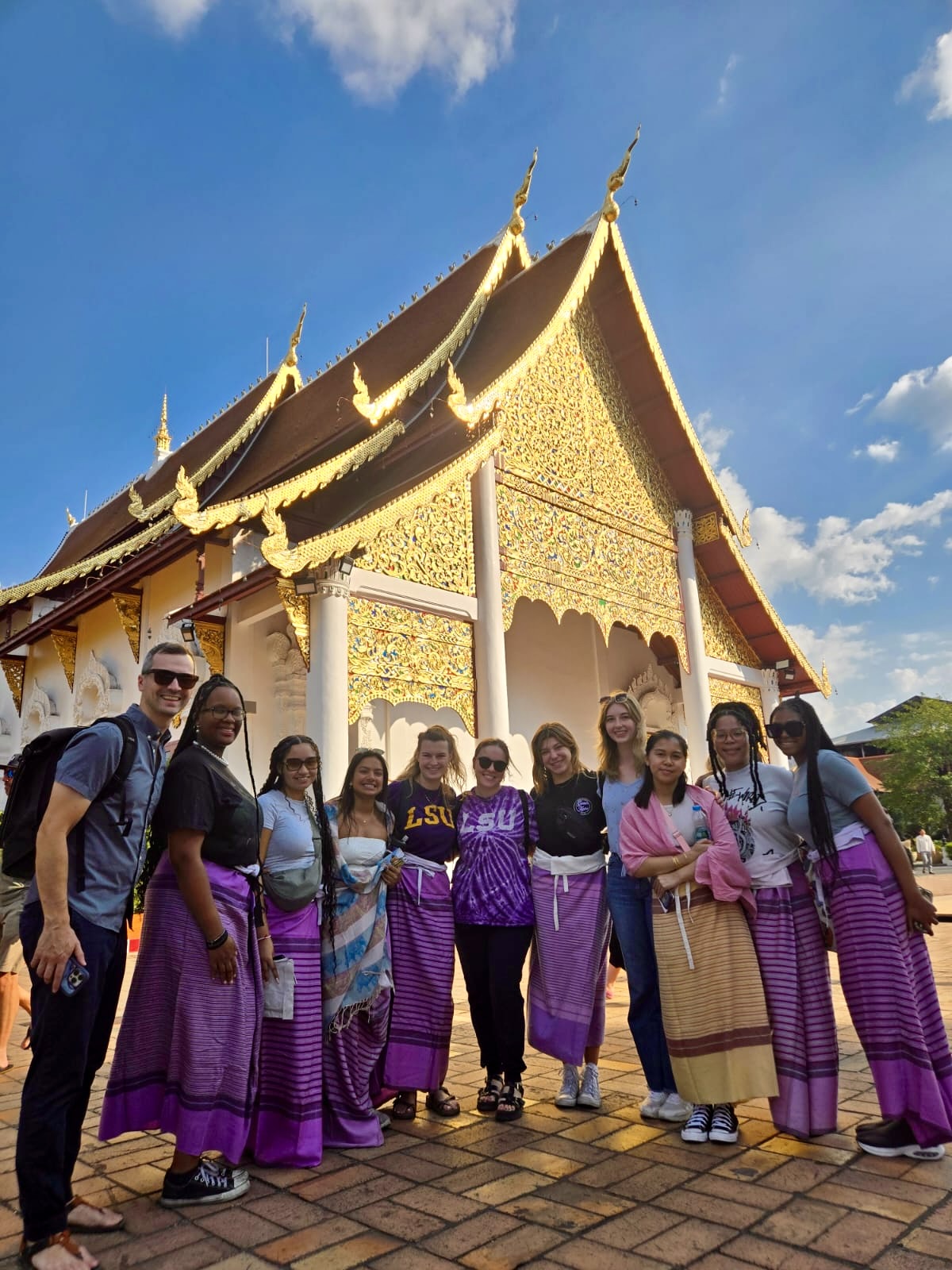
The trip allowed us to find a great school option for the kids next year, I guest lectured at Chulalongkorn again (where I’ll be a visiting scholar during my sabbatical), and my study abroad trip went great with the exception of 24 hours of my second-worst-ever stomach sickness. I love exploring what it means to be a global leader with my bright-eyed LSU students.
I made it home to Baton Rouge in time for birthday parties (how do kids have so many friends?), 10 inches of snow, and the beginning of crawfish season. But then I was off to DC for grant training. Not home long enough to feel like I had been home much at all.

That trip to DC did afford me a special moment in front of the Lincoln Memorial. With all that was happening in DC and around the world at that time, tears began streaming down my face as I stood in the cold quiet room. I felt the presence of Lincoln’s wisdom as he navigated immense division in American society — the man for whom Whitman’s “O Captain! My Captain!” was written.
“Would you mind taking my picture?” My moment of reflection was punctuated by taking pictures of my LSU colleague, who had never been to DC. Tragically, as we walked the mall for his first time, we witnessed the cacophony of ambulances and fire engines, some of which were hauling boats, and later realized it was in response to the horrible accident of a helicopter crashing into a descending plane at DCA, causing the deaths of all involved. While my direct flight home the next day was canceled, I managed to get on a later flight with a layover in Dallas. Passengers applauded as the plane landed safely.

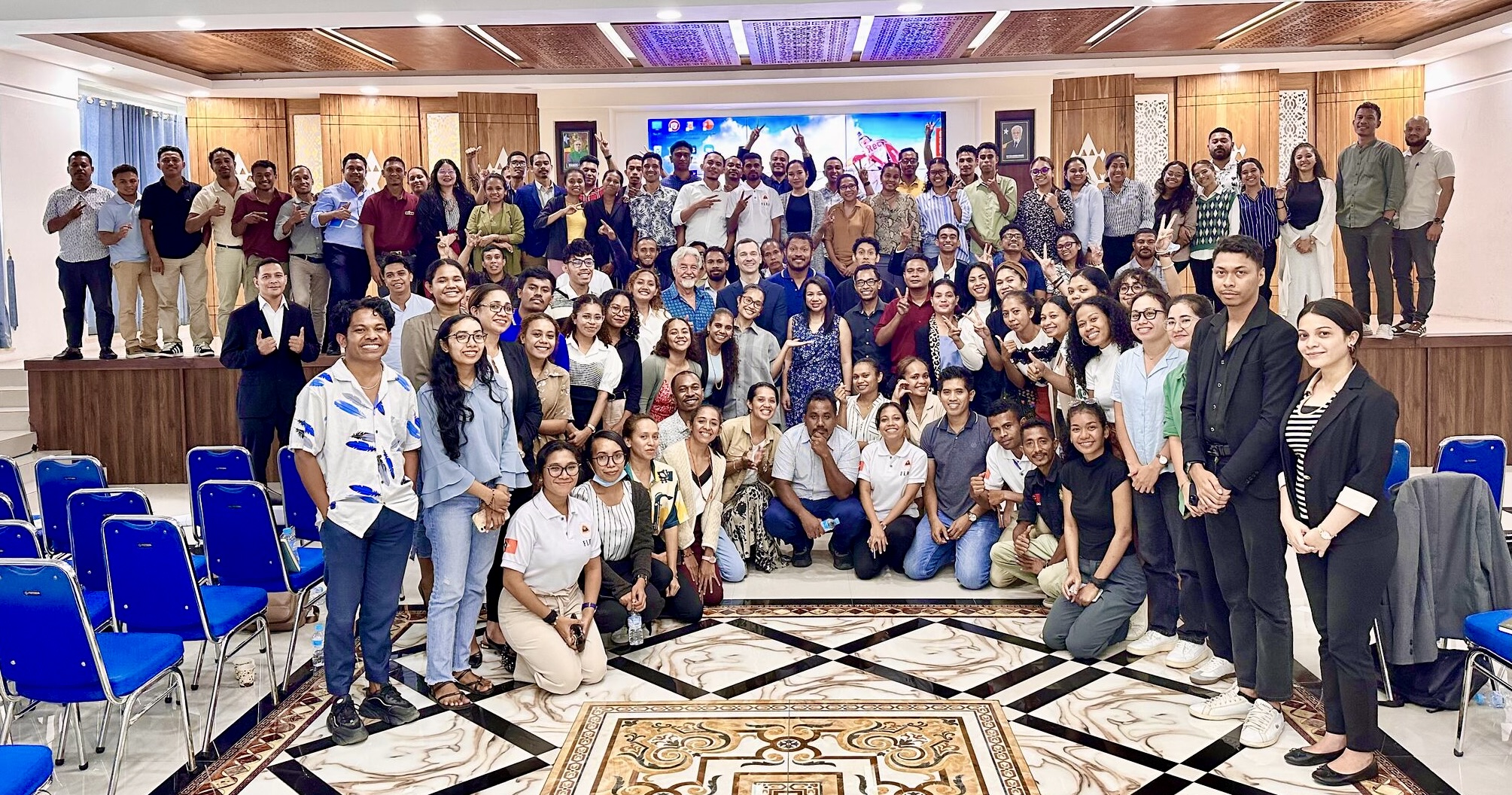
After 10 days home, I flew to Timor-Leste via Bali to serve one of the world’s poorest countries with my time and energy. Travel weary, I truly would have canceled any other commitment, but I so strongly believe in the work of the Future Leaders of ASEAN program. While the USAID office in Dili was dark and closed, I felt good that at least I could offer my own spirit and soul to the cause of the country’s development. And, like the best things in life, it was a two-way street. The three days of leadership development training were completely energizing for me. My big plenary session in front of all 100 participants was scheduled for the final day. I ended up scrapping my slides as I listened to the powerful stories of young leaders across various industries for the first two and a half days. On the afternoon of the last day, my 3-hour plenary on leading human development in ASEAN ended up being what I think was the best training/workshop/public speaking of my career. This was further evidence that “preparation” is no match for being attentive to the moment — to the people, their needs, and their stories.
To stay afloat during that time, I furiously typed research papers, emails, and comments on student papers on my laptop across various airport and hotel WiFi connections. When I needed a break, I jumped into conversation with my paperback companion — The Goldfinch by Donna Tartt. Thanks to Patty Z. for the fantastic re-gift. I noticed her copy had a price tag in Hong Kong dollars — a well-traveled book in its own right.
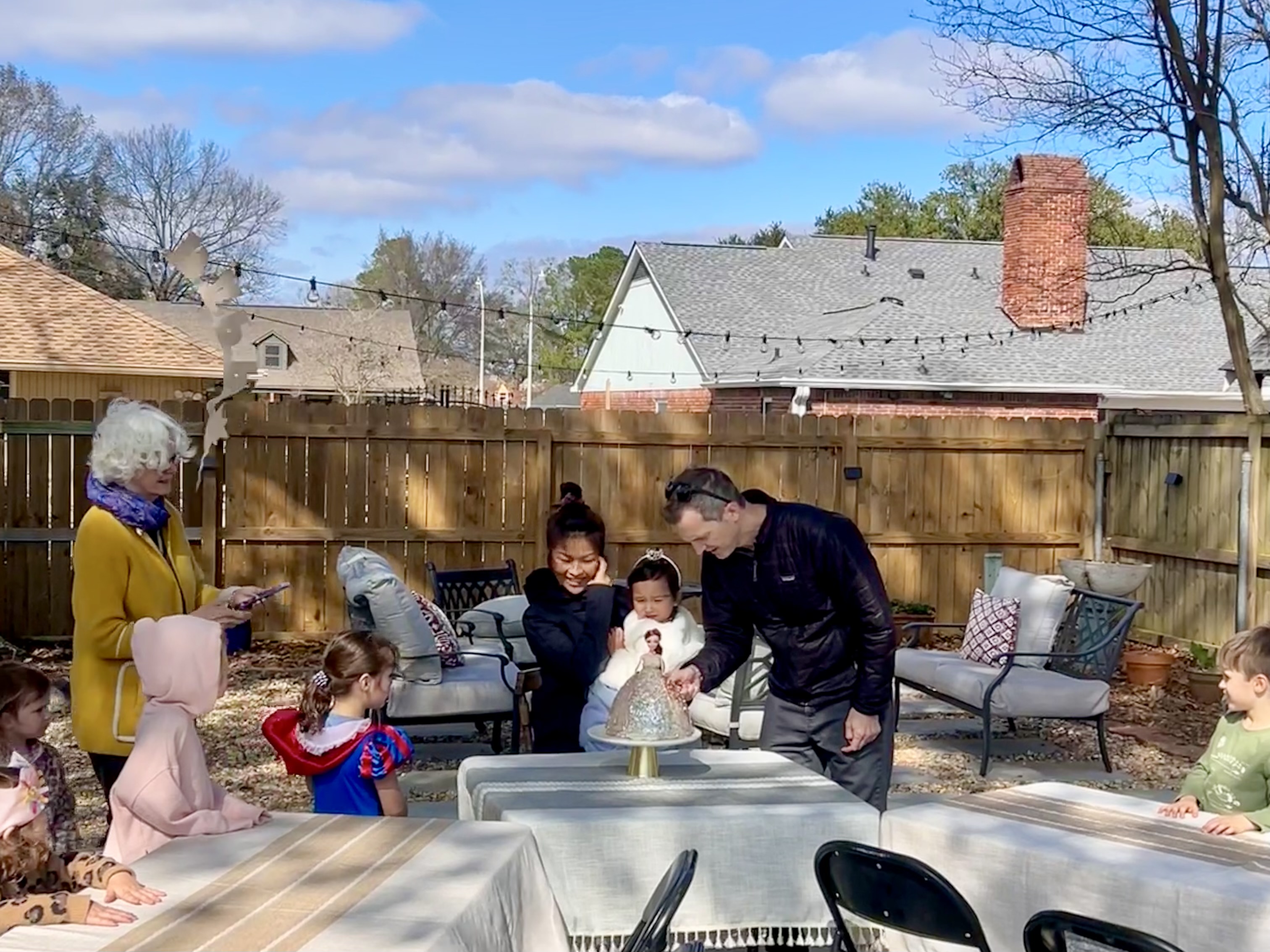
Back in Baton Rouge, the kids surprised me at the airport despite a late arrival time. More birthday parties, which included Alice’s 4th! I can’t believe she’s four… I’ll never have a three-year-old again! Inspired by the Great British Baking Show, I decided to use jetlag to my advantage and baked a multi-layered princess-shaped cake from scratch — a chocolate sponge with vanilla buttercream. At her Celebration of Life ceremony at school, I did the honor of reading the birthday book. Alice’s teacher, Miss Kristin, said she had never seen the kids pay that much attention to the book being read. It’s true my reading-out-loud skills are improving.
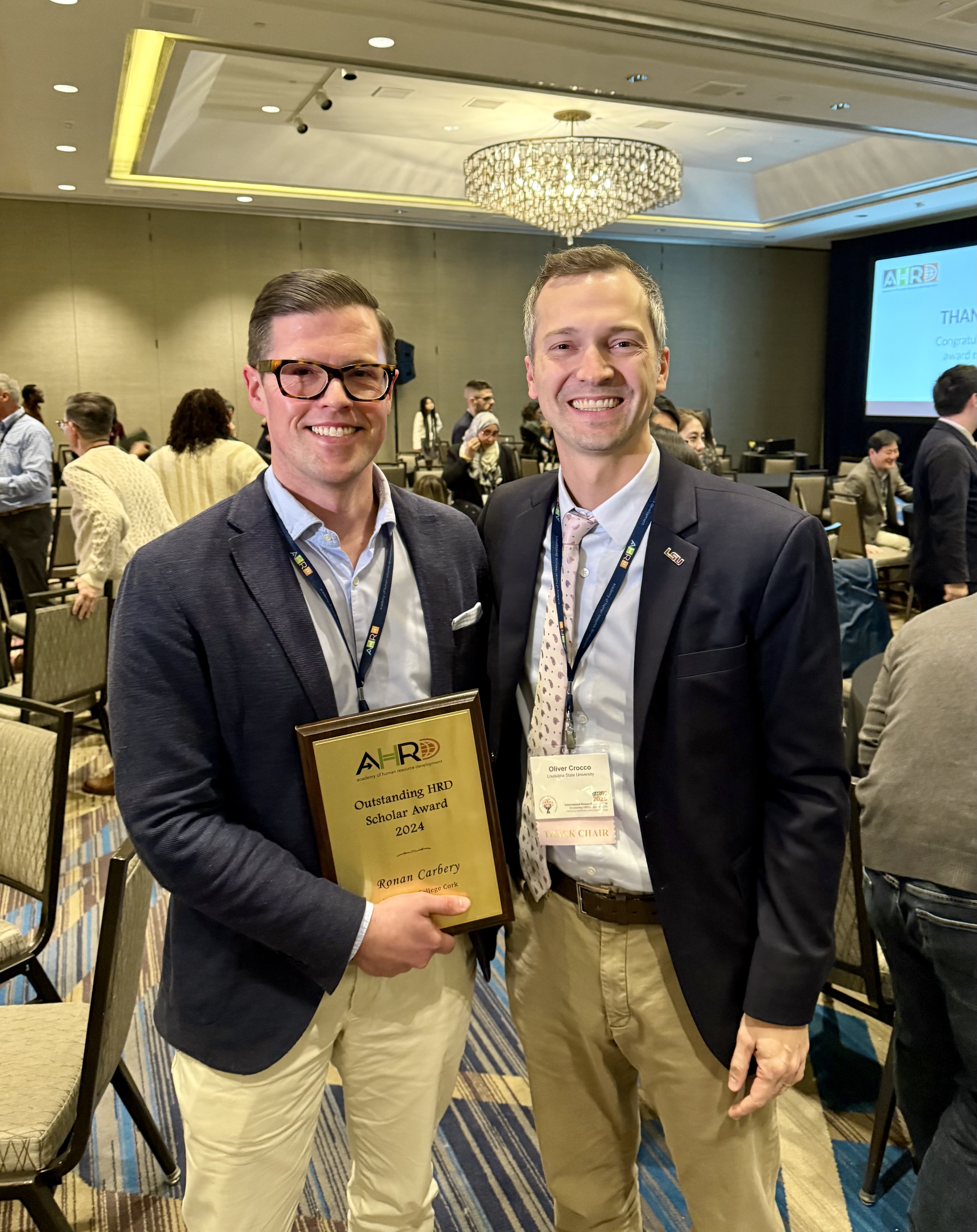
Then, back in DC for the Academy of Human Resource Development Conference… the only mercy of yet another trip was that I knew it was my last trip away from family for a long time. I also experienced a career highlight when the person I nominated for the Oustanding HRD Scholar Award won! I can’t think of a more deserving person than Ronan Carbery, whom I first met in Cork in 2015 at the University Forum for HRD conference he organized. Indeed, the people most deserving of awards are also the least ambitious to get them. And as cliché as it may be, it felt more gratifying to nominate him for the award and watch him win than it was ever to win an award myself.
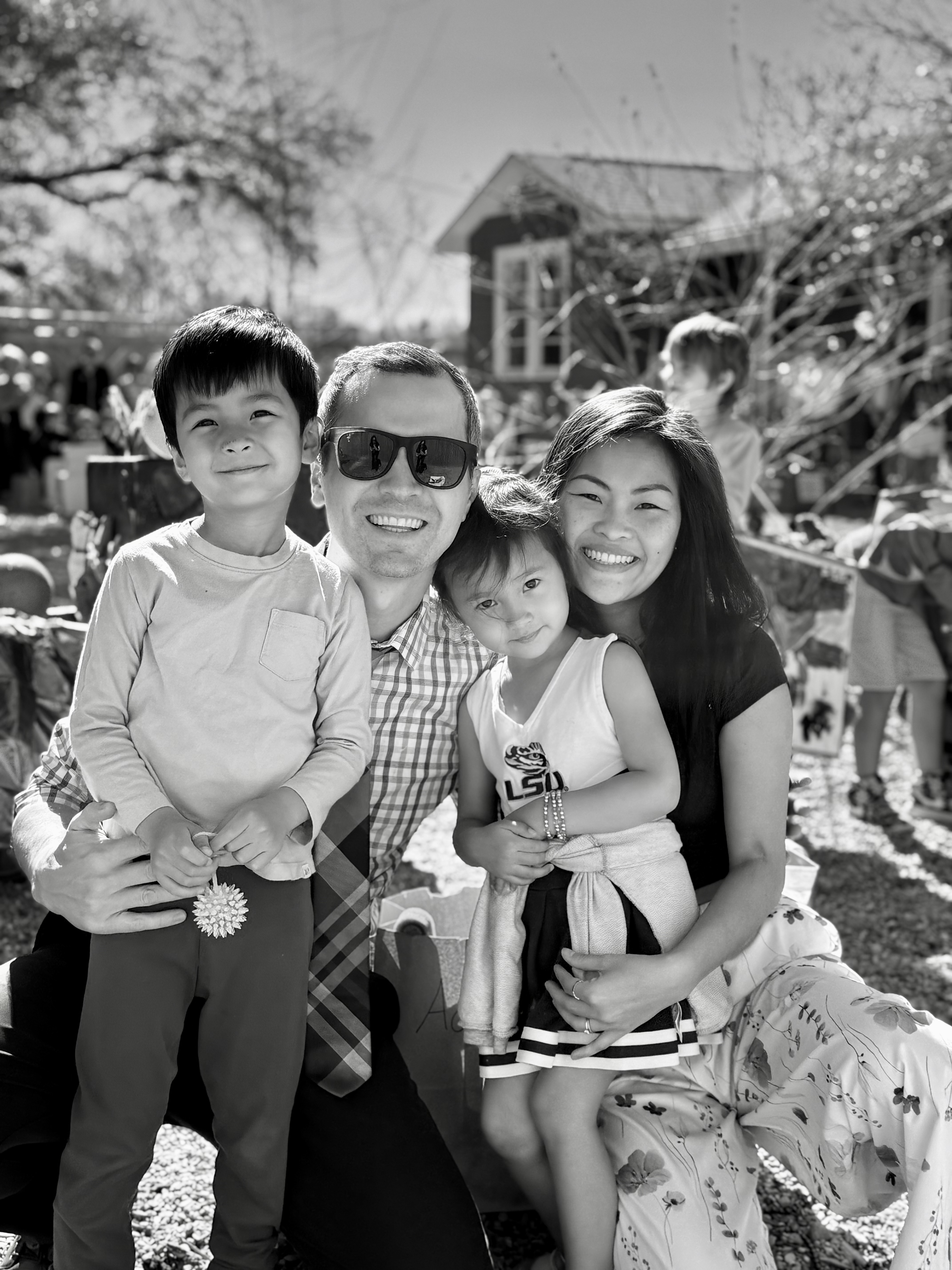
I’m home now for a long stretch and couldn’t feel better. Khai and I have (mostly) kept our sanity and joy amidst it all. At dinner, we’ve been asking each other the 36 questions that lead to love from the New York Times. As much as I romanticized travel in my youth, there is a season for everything. Today, I long for the season of spending quiet, unexciting moments at home with the ones I love. While my travel these last 9 months has supported my career and allowed me to do great things around the world, I am so happy thinking about all the time I will spend with my family the rest of this year and into my sabbatical in Thailand. Thus, with my “new eyes” from travel, I clearly see the value of home.
Onward.
A Year’s Worth of Life in August through October
Posted on December 1, 2024 1 Comment
1 December 2024
I spent most of the last post on work-related updates. This will likely have some of those as well. But the last 5 months have included a lot of personal things. This is a long post, so you’ll probably want to skip through, or not read it at all, but I want to take a moment on this long Thanksgiving weekend to reflect on a full fall.
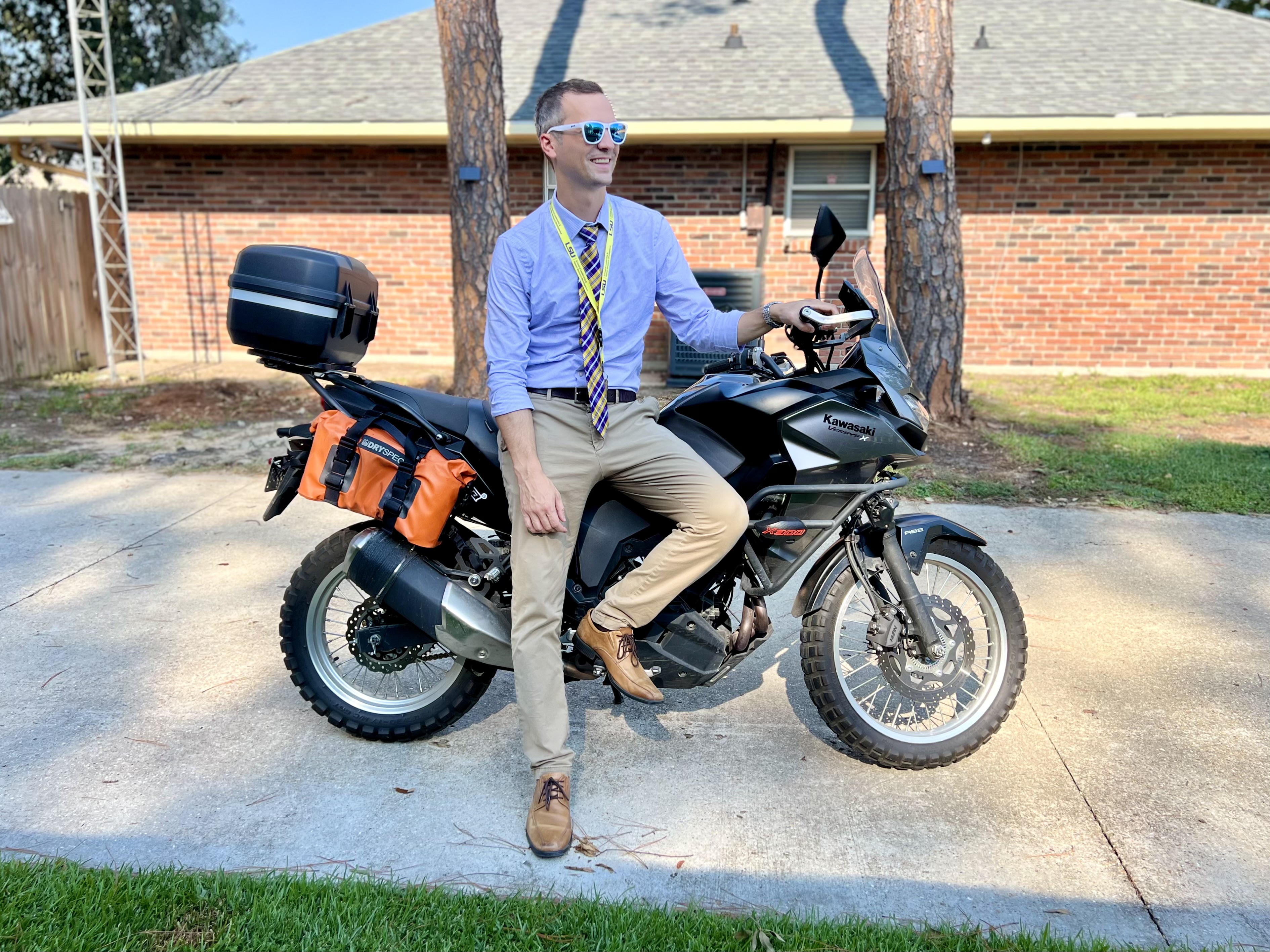
For one, I finally returned to my motorbiking glory days and purchased a small displacement motorcycle. This is a 2017 Kawasaki Versys-X 300 with just over 10,000 miles purchased for the bargain of $3000. It’s perfect for my 4-mile commute and came with a top box, heated grips (for the few days per year I’ll need them), and sidebags. It was an adventure driving 500 miles up to the northernmost tip of Alabama with my dad and then riding the bike down for my first 1000-mile driving day and the longest single day of motorcycle riding. The words of my uncle (whom we call Motorcycle Hi) became my mantra: stay vigilant. I repeated that phrase thousands of times as the high-revving engine zinged down the highways.
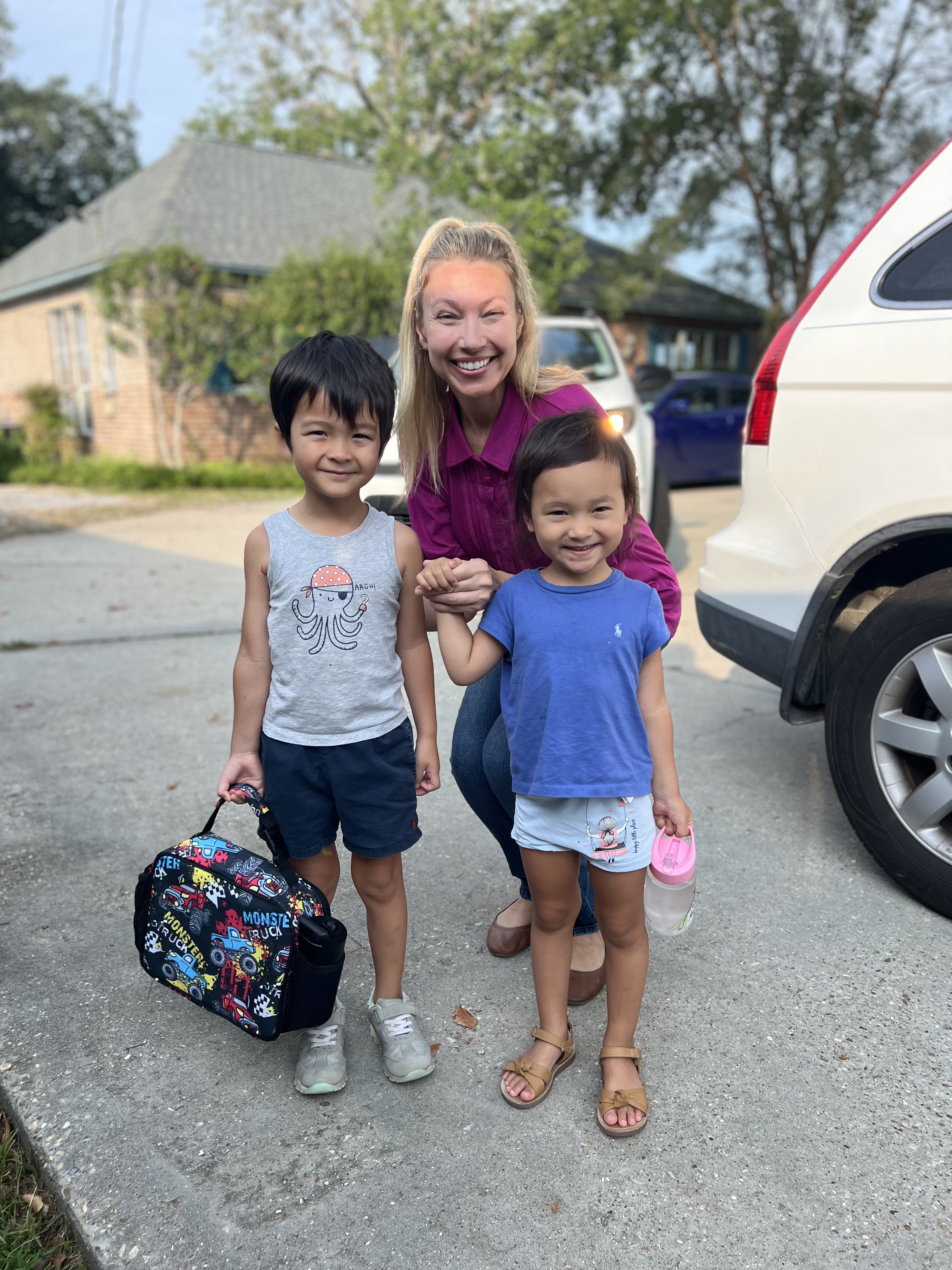
Our sweet Alice started Montessori school with Aden, which fills my heart. She has been craving opportunities for learning and social interaction. This environment has been perfect for her, and she comes back each day full of precious stories to tell.
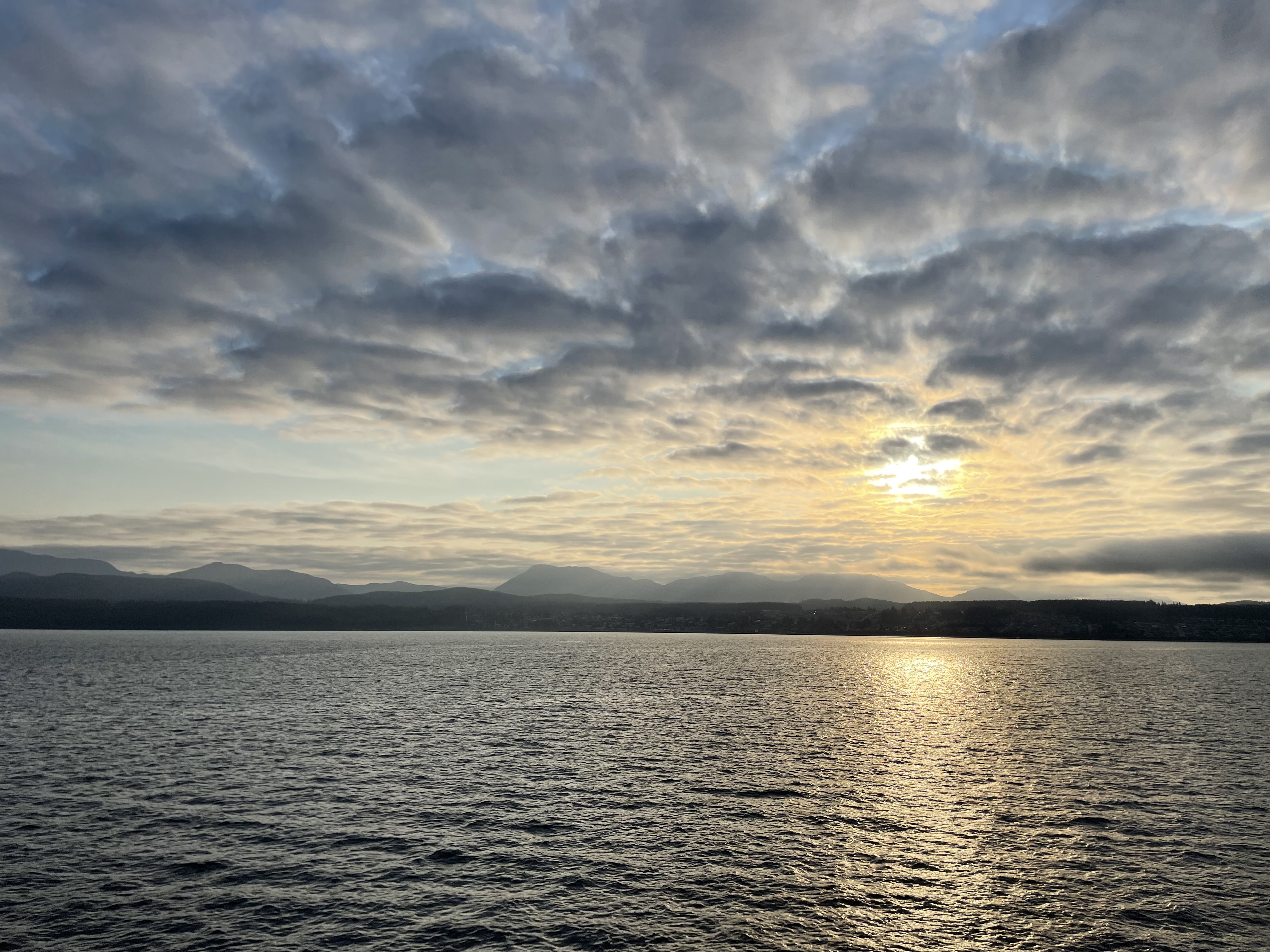
One of my closest friends and also a former housemate in Thailand, Davor, got married this fall. It wasn’t an easy trip to make, but after much consideration, I decided I’d probably regret not going more than wish I hadn’t made the journey. I took three flights to Comox, British Columbia, where I landed late at night and was greeted by perhaps the sweetest Canadian — the Aunt Kathy of another wedding attendee whom I had never met — who let me stay at her place and then helped me catch the 6:15 AM ferry to Powell River. The ferry ride blessed me with a sunrise and humpback whale breaching multiple times. How lucky am I to be alive… I stayed another night with Aunt Kathy on the way back. Traveling solo and being cared for by this stranger reminded me of how tiny the space is between any two people around the world.
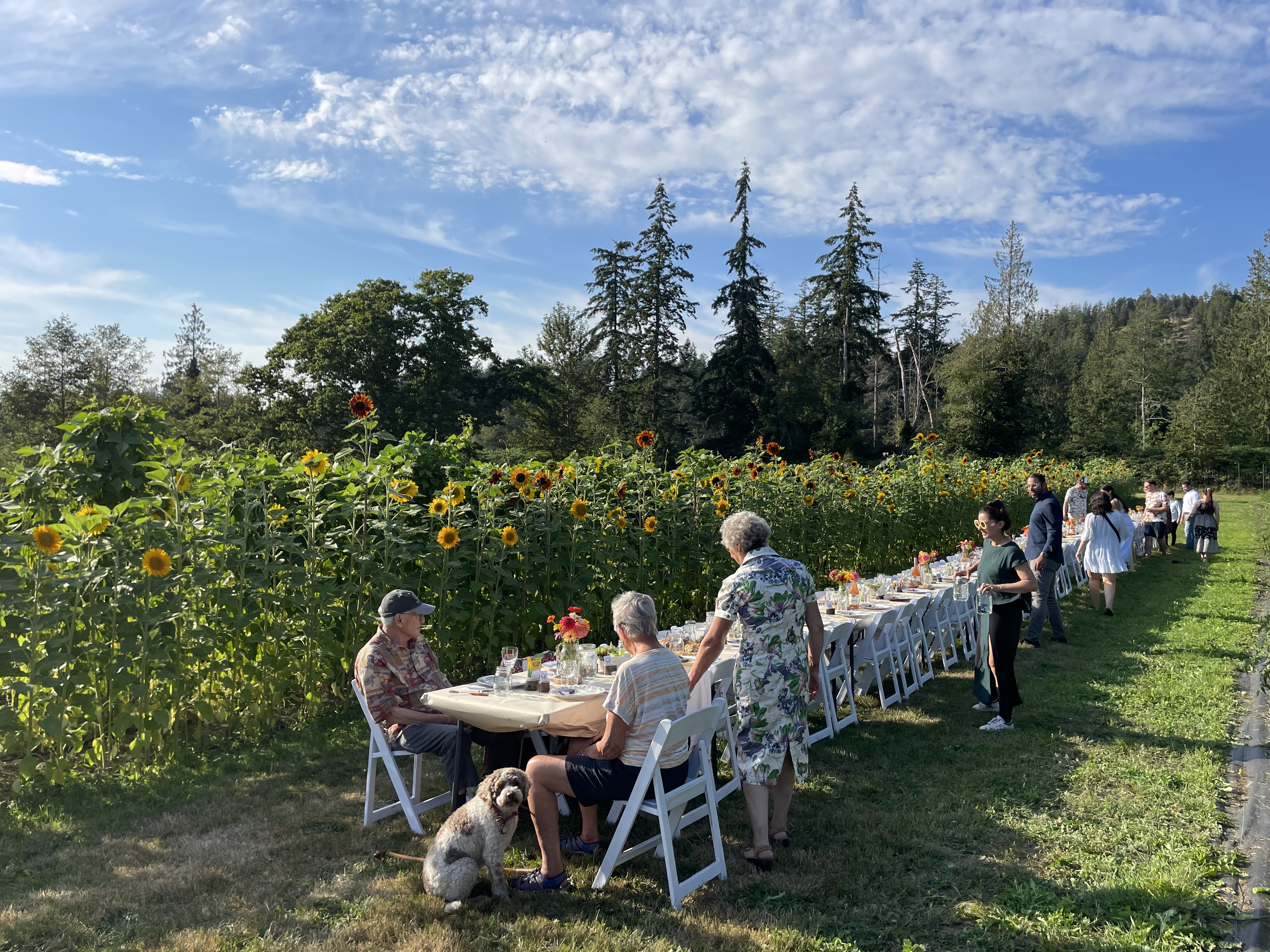
It was a camping wedding on the family’s co-op property, which is so perfectly Pacific Northwest. The weekend involved plunging into the freezing water one morning, a series of competitive group games, and a beautiful outdoor ceremony and reception. I was asked to read Neil Gaiman’s poem “All I know about love” during the ceremony, which I appreciated contributing.
I rushed back via four flights to Baton Rouge (with Kingsolver’s The Poisonwood Bible at my side) to start the semester at LSU — my first as an Associate Professor and the Associate Director/PhD Program Coordinator in the School of Leadership and Human Resource Development. This add-on position has been a great way to experiment with academic administration via a one-year contract without upending my research in any significant way.
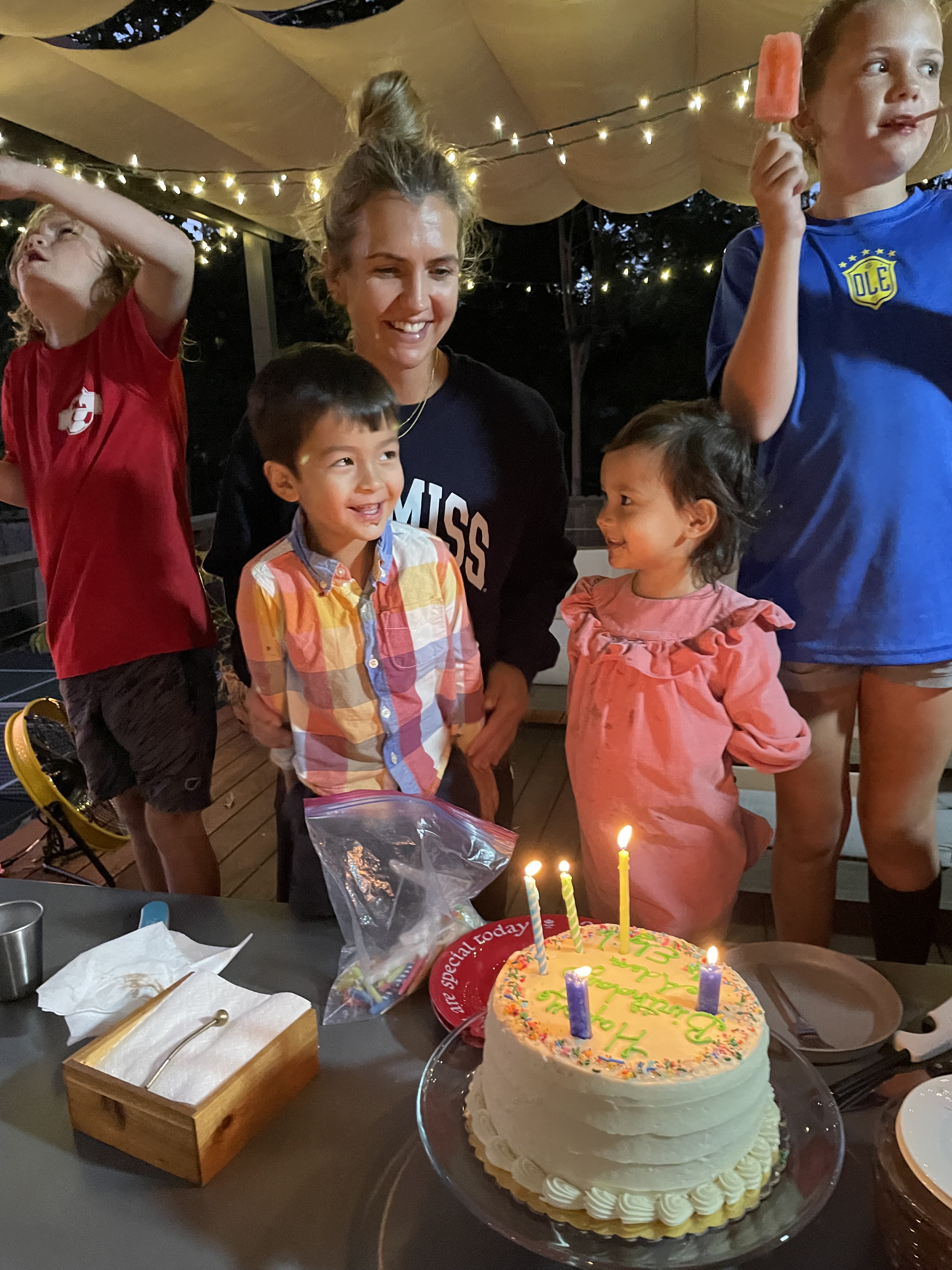
In September, we spent a weekend in Memphis for my sister’s 40th birthday and Aden’s 5th. I love living so close to the Memphis crew and have never resented the 6-hour drive (even though I can’t say the same for Khai, who didn’t grow up with long drives).
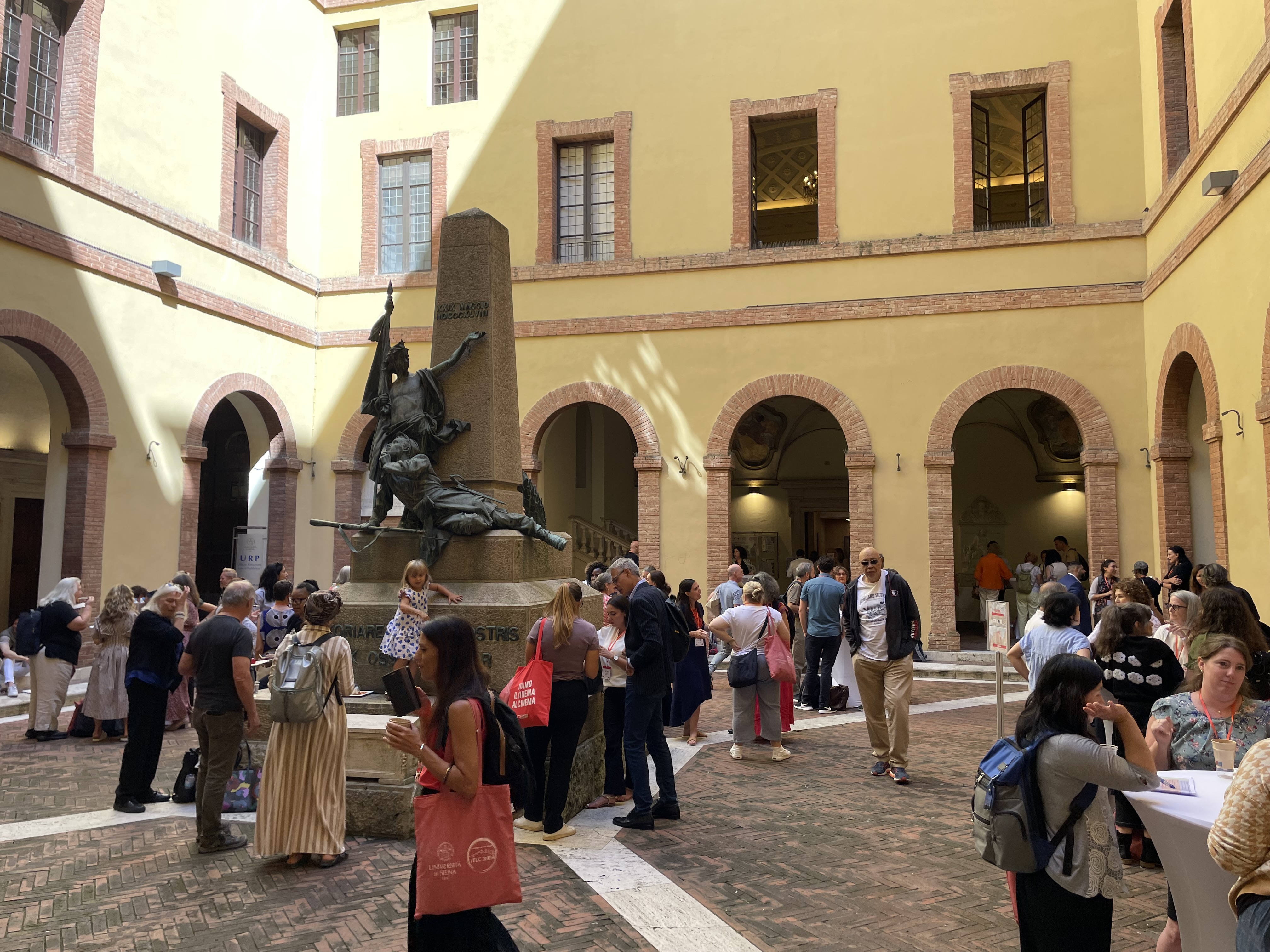
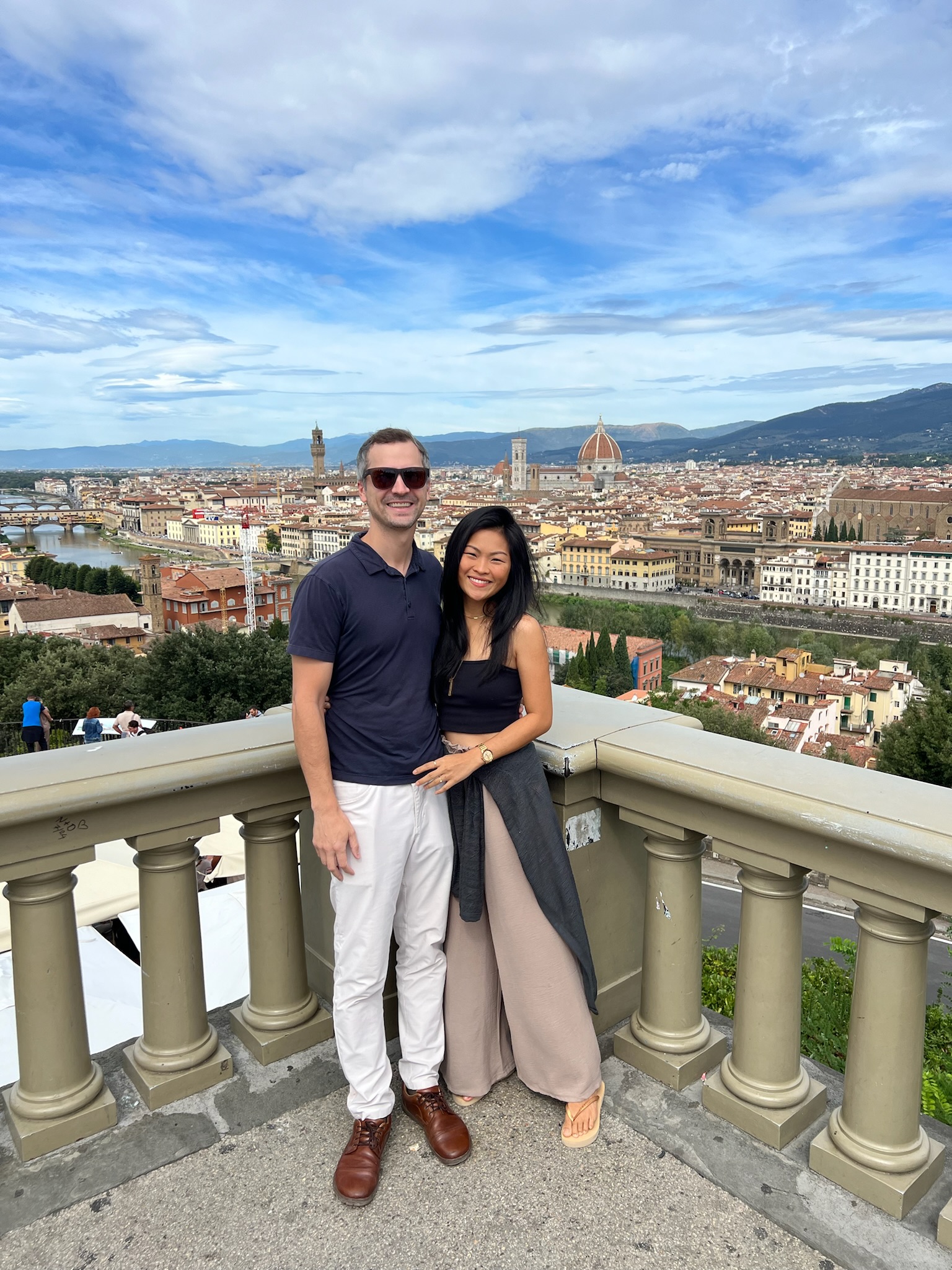
It was a quick turnaround yet again to hop on a plane to Siena, Italy, for the International Transformative Learning Conference. It’s the first time I’ve ever presented at a university established in the 13th century. This was also a new academic community for me, and I loved the more philosophical and classically intellectual approach of the scholars there. In the HRD community, we can get so bogged down in the minutia of methodology for studies that offer some tiny superficial furthering of the field. But this community seemed interested in the big questions and willing to scrap long-held assumptions for the sake of robust scholarly discourse. Khai came with me and we had a blast staying at a romantic Tuscan villa and exploring Florence for the weekend after the conference. Thanks to Mimsy for allowing these parents a week away from the kids.
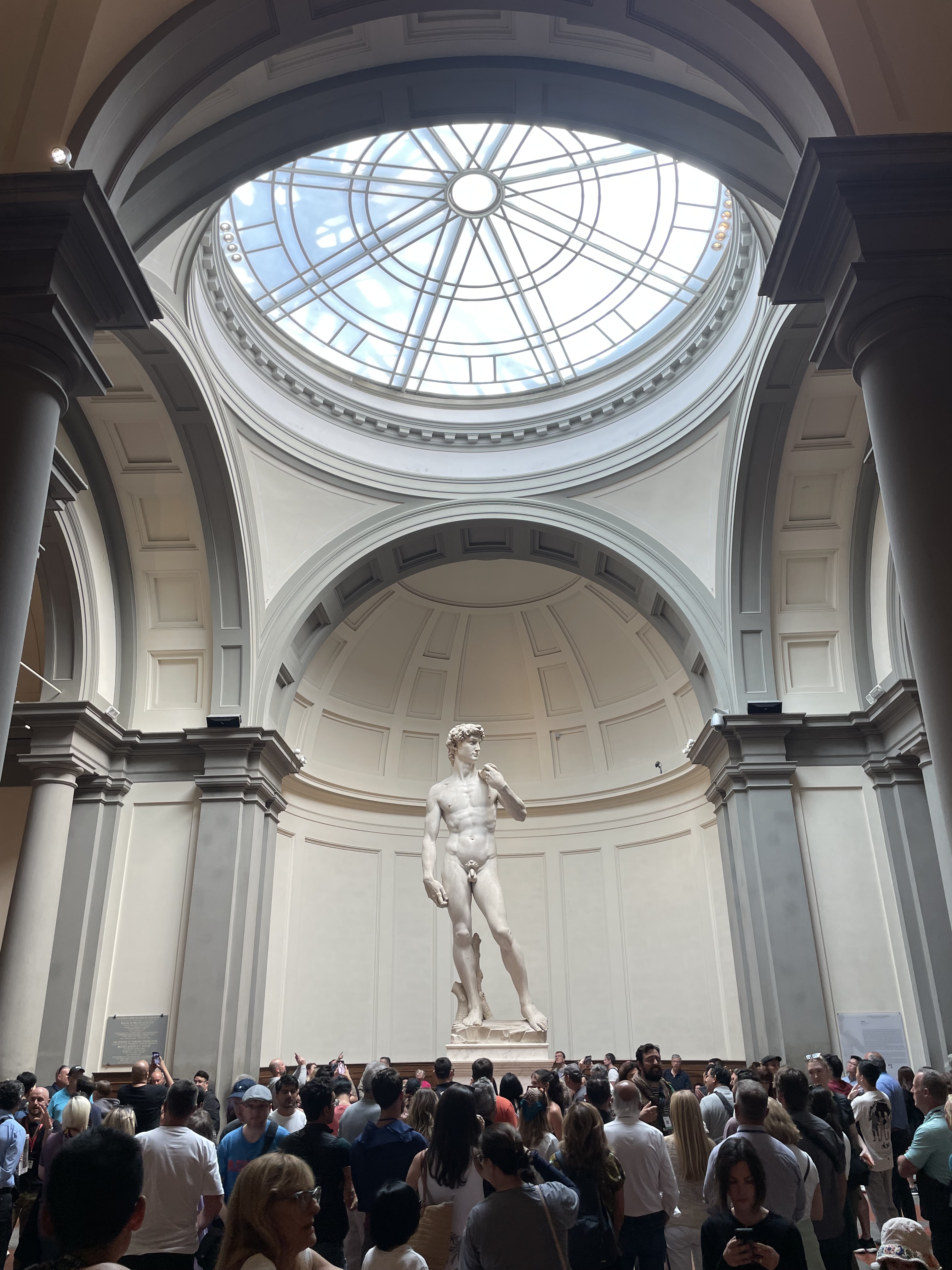
In Florence, one of the things we did was visit the statue of David. I’m not an art connoisseur, but standing in the presence of this sculpture had an emotional effect on me. I felt the meaning of standing in awe. Just as recordings cannot replace concerts, pictures or videos cannot replace the experience of standing before the visual arts. My picture below, taken from the back of the room, reminds me of that experience. Rather than a close-up that can’t quite capture the awesomeness (the true meaning of the word) of the piece — this is also where I first felt that feeling, which I want to remember.
Another quick turnaround to Portland, Oregon, for my brother’s wedding. I was honored to be the officiant and had to become ordained to do so. I was flying home from Italy and remembered I had to get officially ordained for the ceremony, so I purchased the airplane wifi to start the process. I was freaking out that I’d have to watch these training videos and answer quizzes and that it’d probably take weeks to get official approval. On the somewhat sketchy website, I filled out my name and address, then hit “submit” and laughed out loud when I read, “Congratulations! You are now officially ordained as a minister in the Universal Life Church!” I am now Rev. Dr. Oliver S. Crocco. The second Rev. Dr. Crocco in the family!
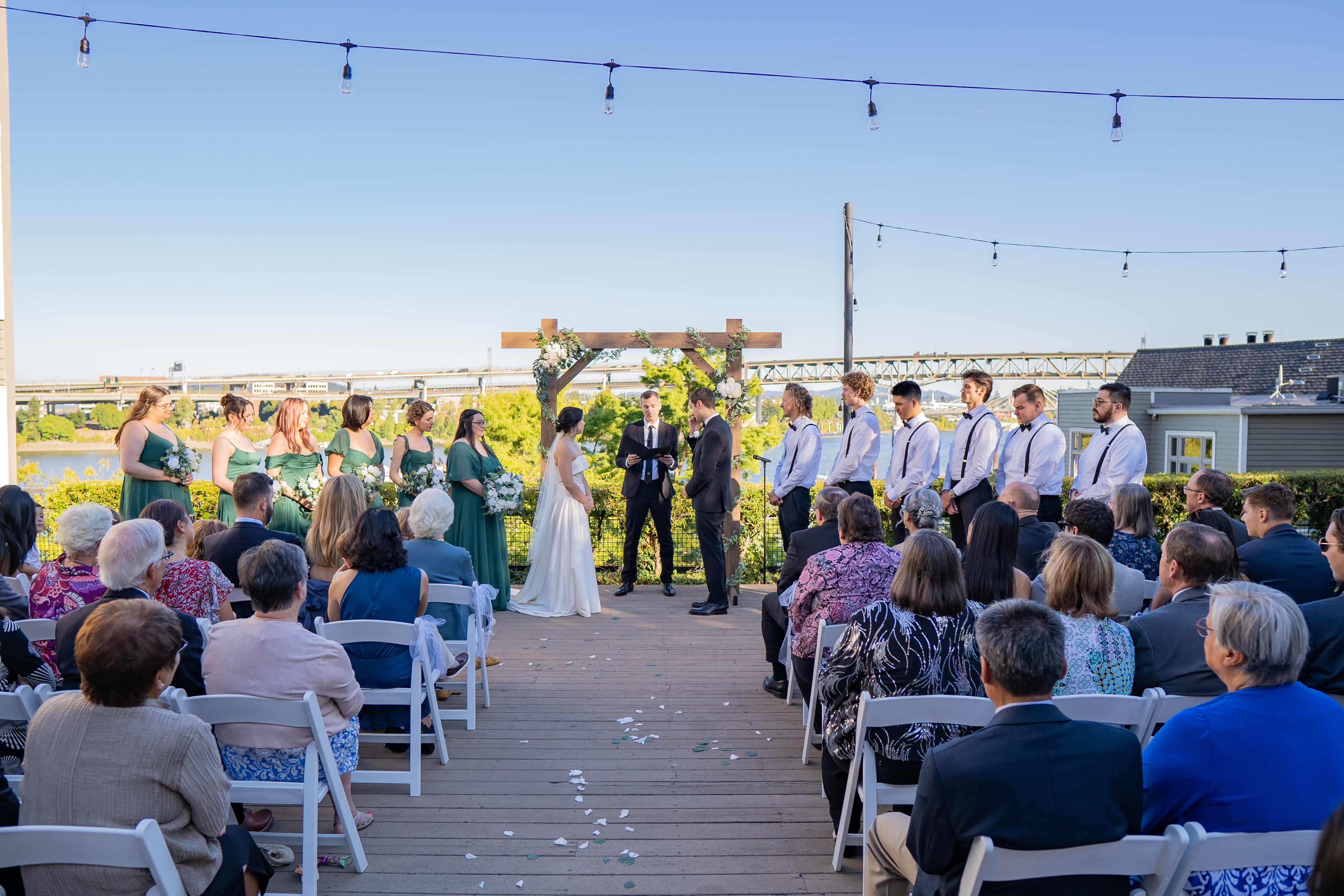
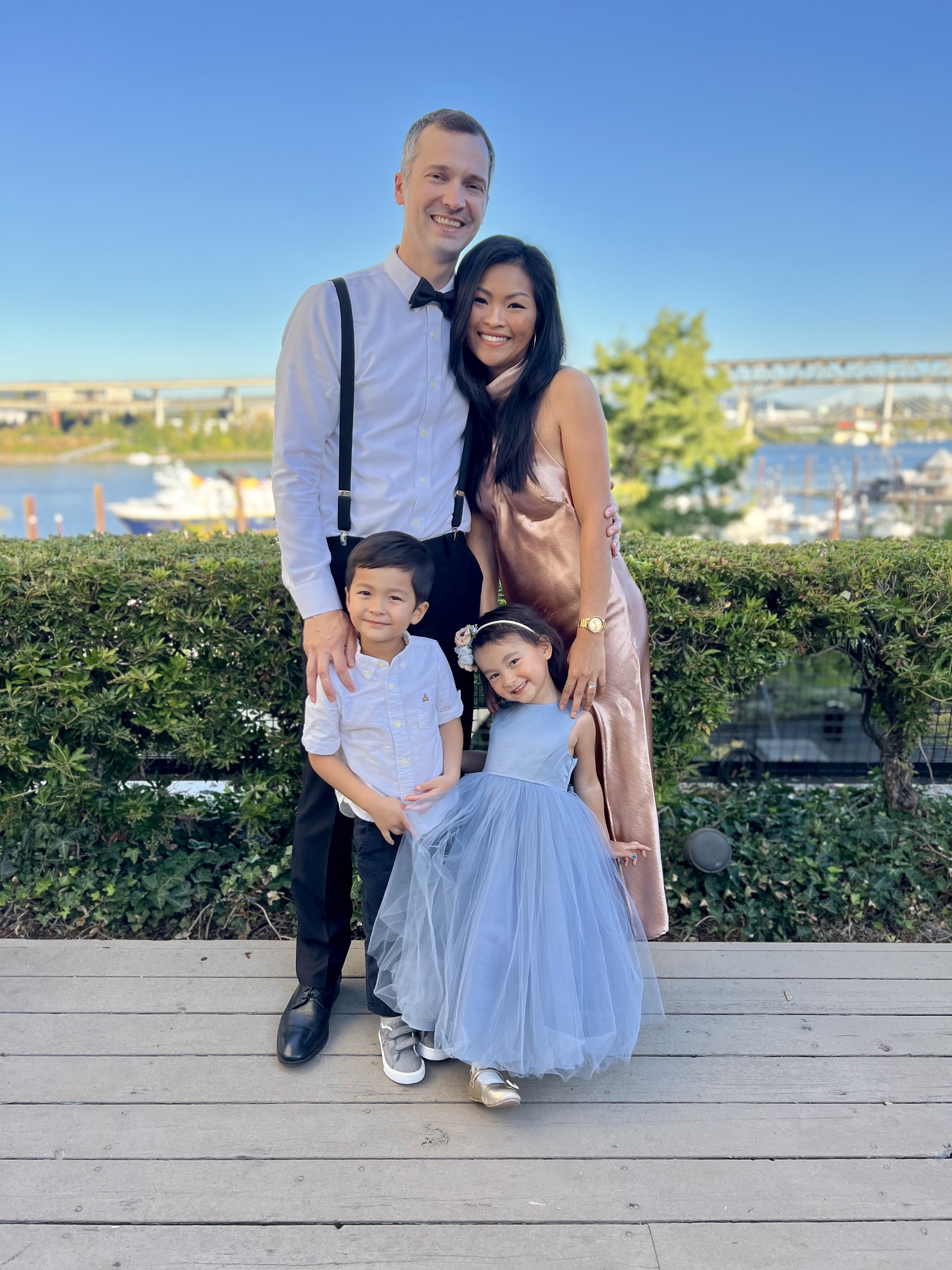
I can honestly say (and there is a TON of competition) that it was the best wedding weekend I’ve ever been a part of. Martin and Kristen are a beautiful couple, full of generous love and warm laughter. I have always had a special place in my heart for my youngest sibling. Given our ten-year age difference, I had to live much of his childhood away, but it taught me early to value relationships and being with the people I love.
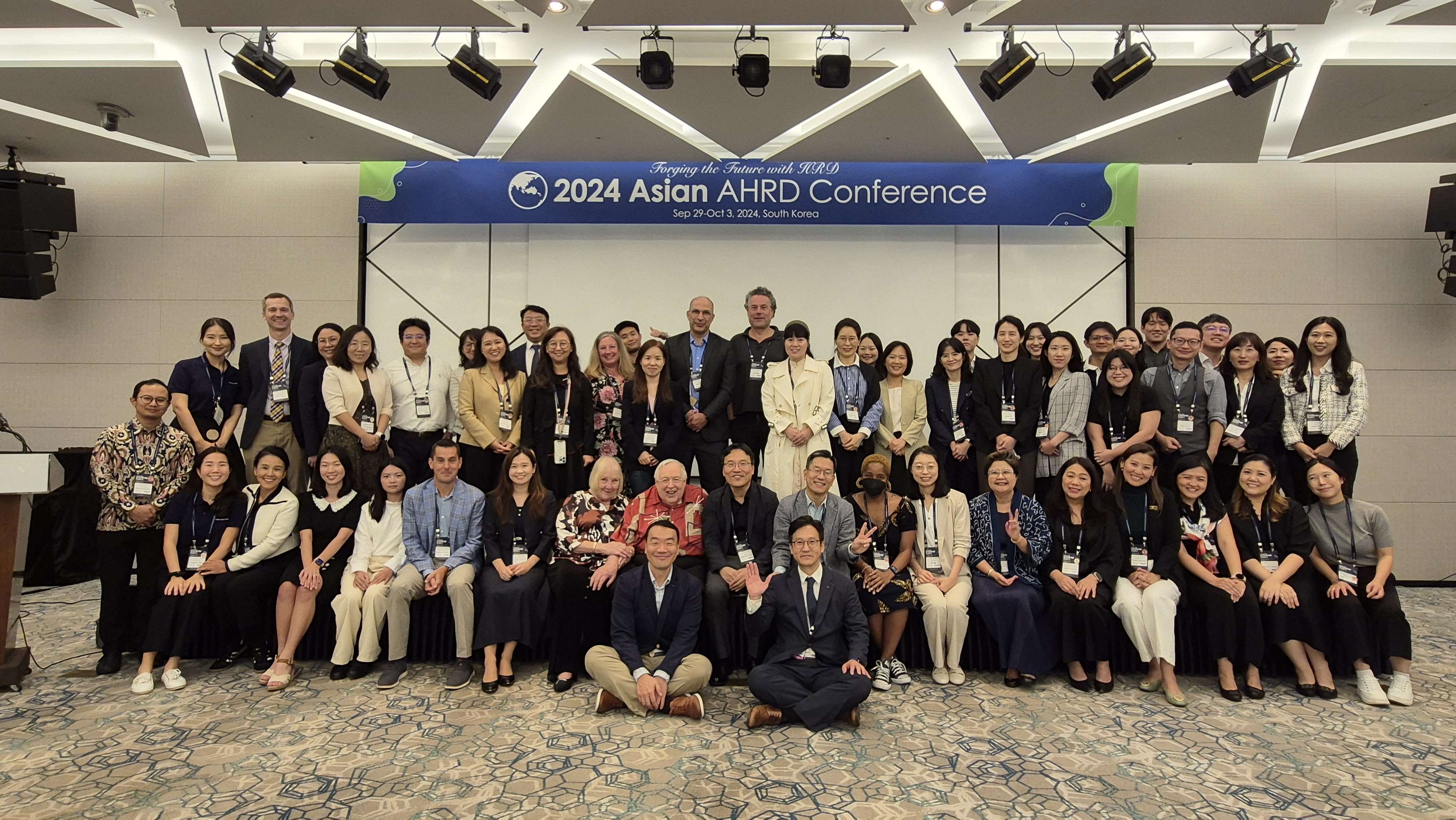
Another quick turnaround (am I repeating myself?), this time to my fourth new-to-me country of the year: South Korea! I attended the Asian AHRD Conference and was reminded of how much I love solo travel and discovery. Even though it is veritably unwise to do so much traveling away from young kids and a fast-paced job, I really wanted to attend this conference to connect with the large and influential Korean membership of the global HRD community.
I had a day in Seoul before the conference began, which allowed me to visit the Changdeokgung Palace and the Gyeongbokgung Palace. I stayed in a traditional Hanok home and slept on a fold-up pad on the floor. The conference was 40 minutes north in the city of Goyang. I couldn’t afford to stay in the conference hotel, but I found a perfect little hotel on the 10th floor of one of the shorter buildings in the area (which I walked up the first time with my luggage because I couldn’t find the elevator). I took scooters or e-bikes the half a mile to the conference activities each day. Proudly, my buttocks never touched the seat of a taxi the whole trip. My paper-and-ink companion was a bightly colored pink book on Korea by Victor Cha and Ramon Pacheco Pardo, published last year by Yale University Press. Modern Korean history is truly dramatic and incredible. The more I learned, the more I admired the journey of this incredible country and its people.
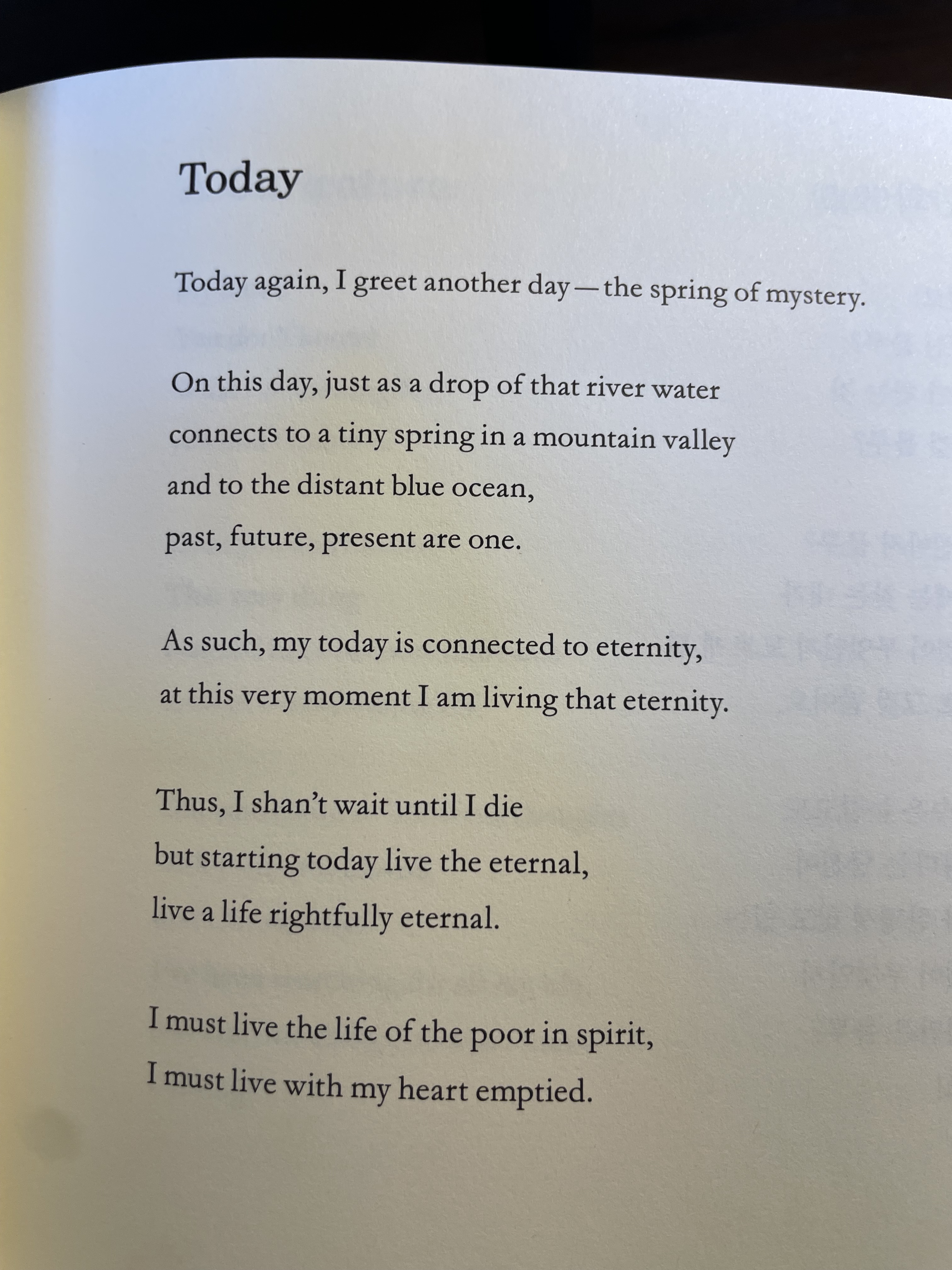
In the restored library of the monarch in the Gyeongbokgung Palace, I found a book of Korean poetry with this treasure by Ku Sang, translated by Chan E. Park, which resonated with my experience as a traveler that day.
This conference was so well-run. I signed up for every activity I could, which included a traditional Korean dinner of spicy fish, raw crab, fermented everything, and scrumptious veggie soup. Every meal I ate in Korea had kimchi as a side, which brought a bit of spicy crunch to my dining experiences. Several of my Thai colleagues from Chulalongkorn University and the National Institute of Development Administration attended as well, which felt like a meet-up of old friends. We laughed about one of my favorite Thai movies — Guan Muen Ho — about two Thai people who meet and fall in love in Seoul.
Optional activities included visiting one of Samsung’s corporate training centers in the famous Gangnam neighborhood and the infamous Demilitarized Zone between North and South Korea, which was shockingly just 30 minutes from the conference hotel.
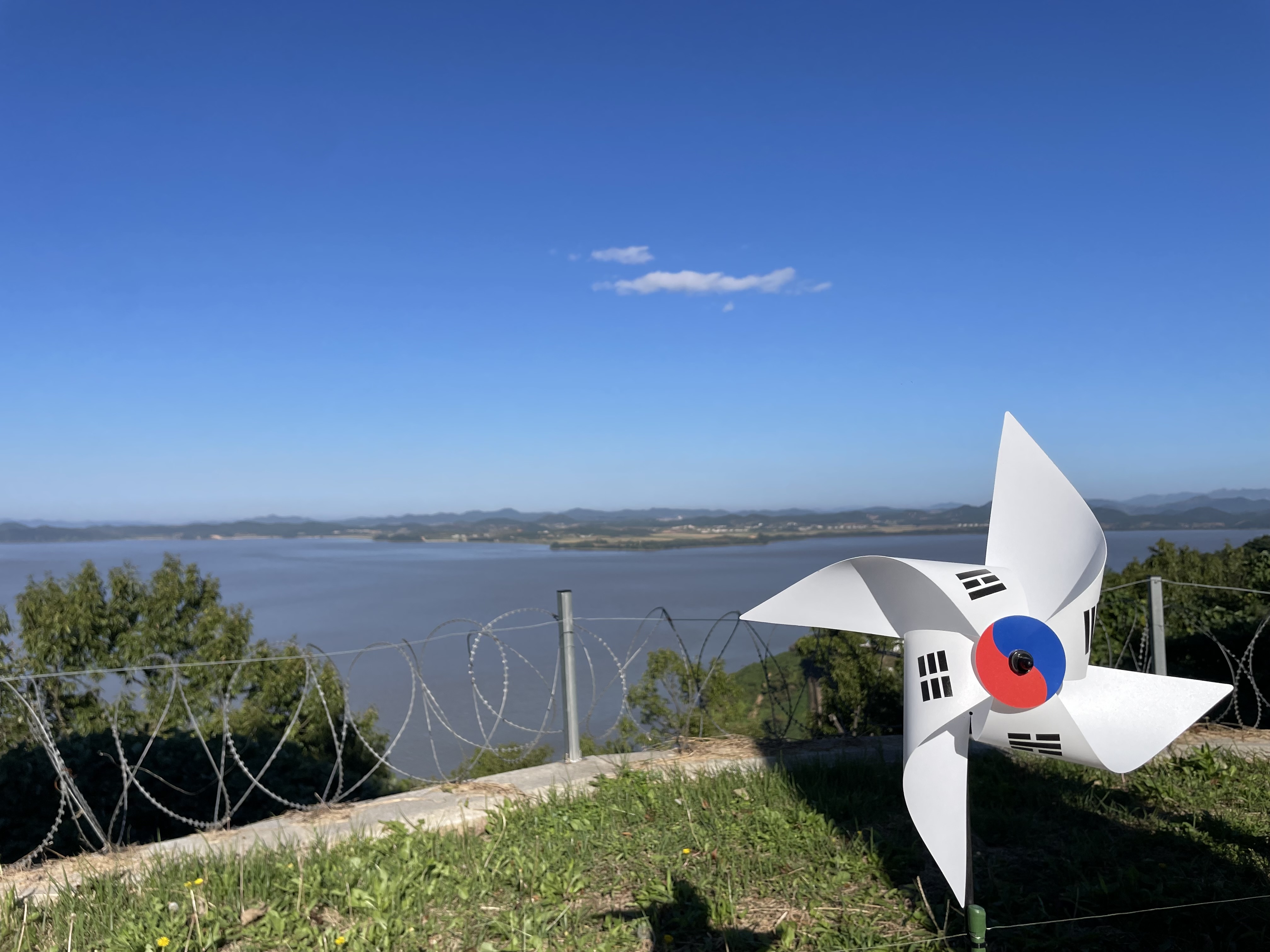
Seeing the pitiful propaganda villages across the river in stark contrast to the abundance of the South was a poignant reminder of how values, governments, and leadership (or the lack thereof) shape our lives and communities. Despite our country’s endless flaws, I am so grateful to be an American.
Squeezed in between these various adventures were day trips with the kids to the Louisiana Book Festival, the Corn Maze, an LSU Soccer Game, the Knock Knock Children’s Museum, a handful of kid birthday parties, and a tenure and promotion celebration at the Capitol Park Museum with my love.
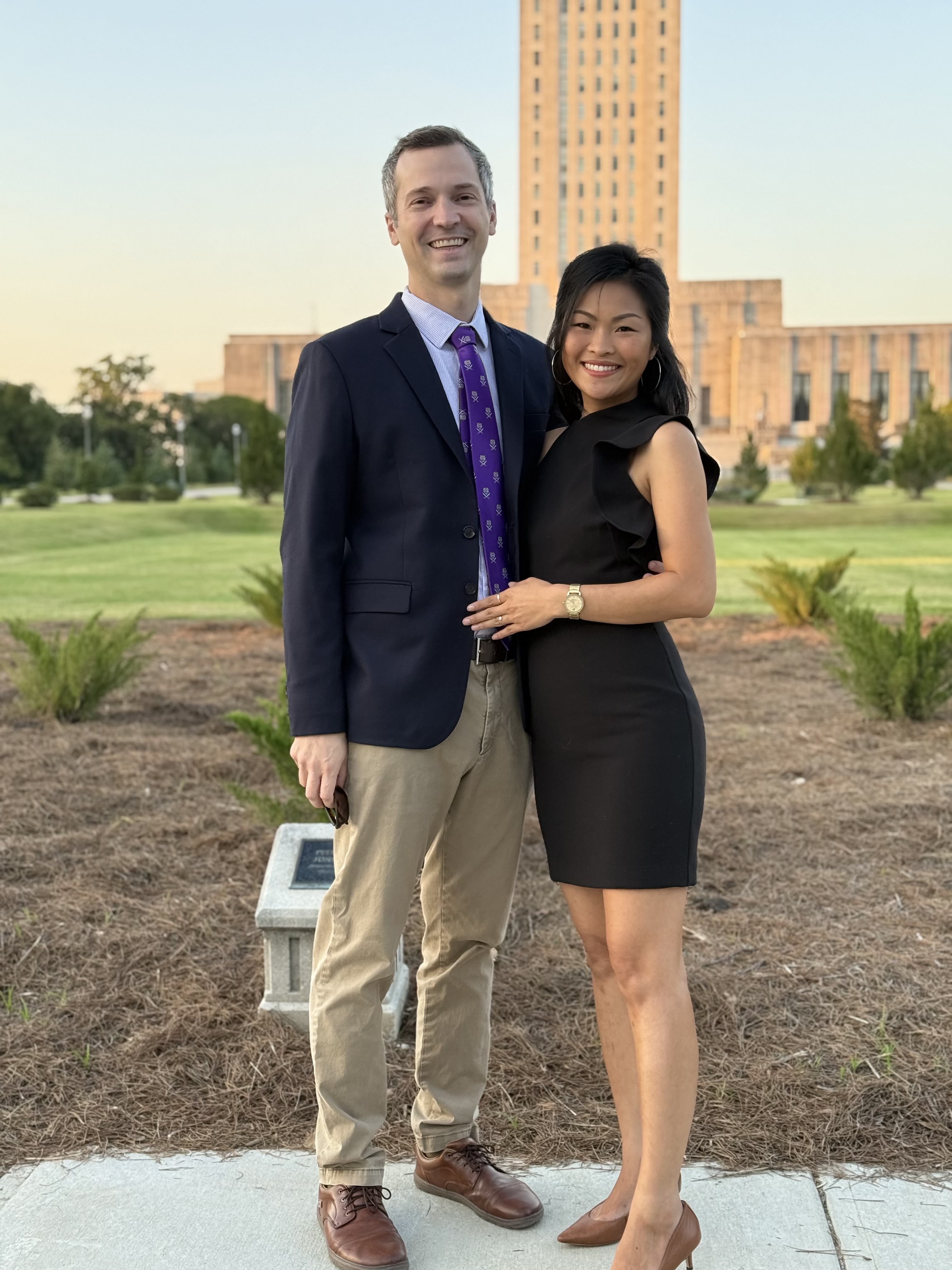
Khai continues to be a wonderful partner. I’ve felt the freedom and ability to do so much knowing that I have her support, and that our kids have a secure base at home. We’ve been fortunate to take two big trips without kids this year (Portugal and Italy) and I’m excited for our upcoming adventures. We’re both excited about potentially big year (August 2025-Spring 2026) for my sabbatical, where we will hopefully be in Thailand. I love how curated our sense of humor with each other has become. We can often make each other laugh without saying a word. Most importantly, she supports me in my insatiable passion for books (jk jk… but seriously).
Onward.
Work at 38.
Posted on July 11, 2024 2 Comments
11 July 2024
I turned 38 this week. Growing up, my dad often repeated the advice to find what I love to do in the world and then find a job that would pay me for it. Perhaps a little trite, but that advice has been humming in the background of my mind as I’ve developed my career. Thankfully, I have found what I love to do in the world, at least for now: learn with and from others, explore new cultures, think deeply, read broadly, and serve the world in an attempt to improve the quality of life of all people and the sustainability of our planet.
After 38 years, I can only be grateful for how things are playing out.
Picking up where my last post left off, Timor-Leste was a powerful experience for me. I worked with 100 young leaders across various industries on how to incorporate the principles and practices of human development in their organizations. I got to hear their stories and learn about what difference they want to make in their corner of this wild world. The program was called Futuru Lider Ba ASEAN [Future Leaders of ASEAN], and I really hope to have the chance to go back and participate again next year.
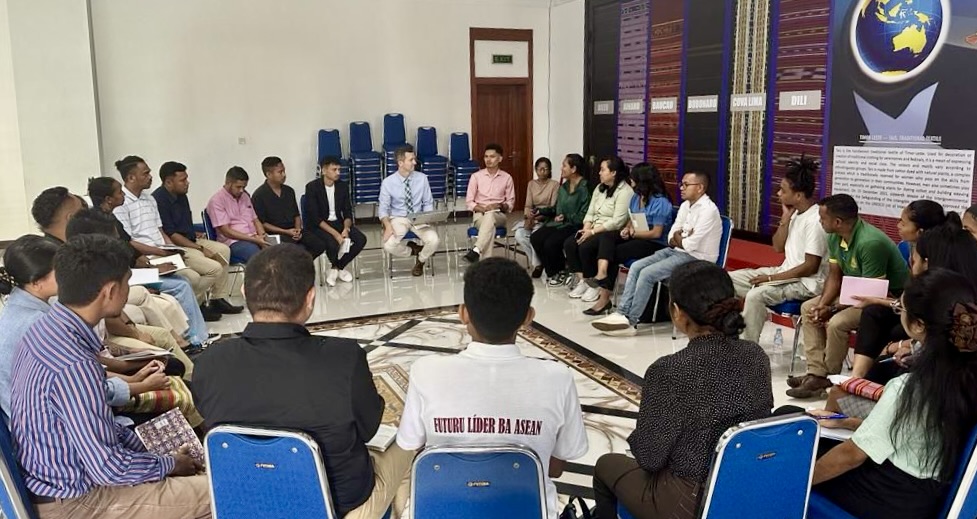
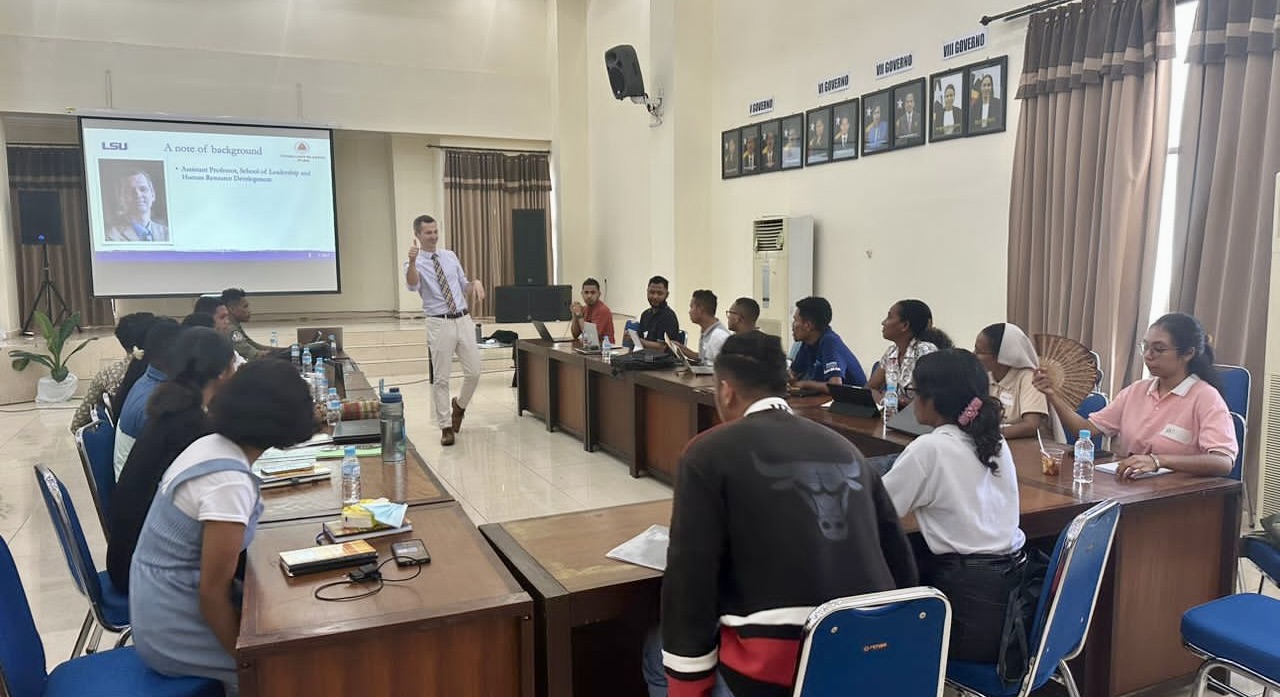
After Timor-Leste, I went to Indonesia, Singapore, and Thailand to visit organizations doing work on coastal preservation and coastal community resilience. I squeezed in an appearance at the Human Development Summit, which was part of the 2024 HR Tech Festival Asia in the Marina Bay Sands convention center in Singapore. There, I gave a keynote and sat on a panel about the impact of AI on human development and adult learning at work. Of course, since I was on a tight budget, I stayed in a cube-like hostel with shared bathrooms and walked to the conference. I’m indebted to Dr. Bob Aubrey who helped arrange both the Timor-Leste event and the Human Development Summit. He’s been an incredible mentor and connector these last few years.

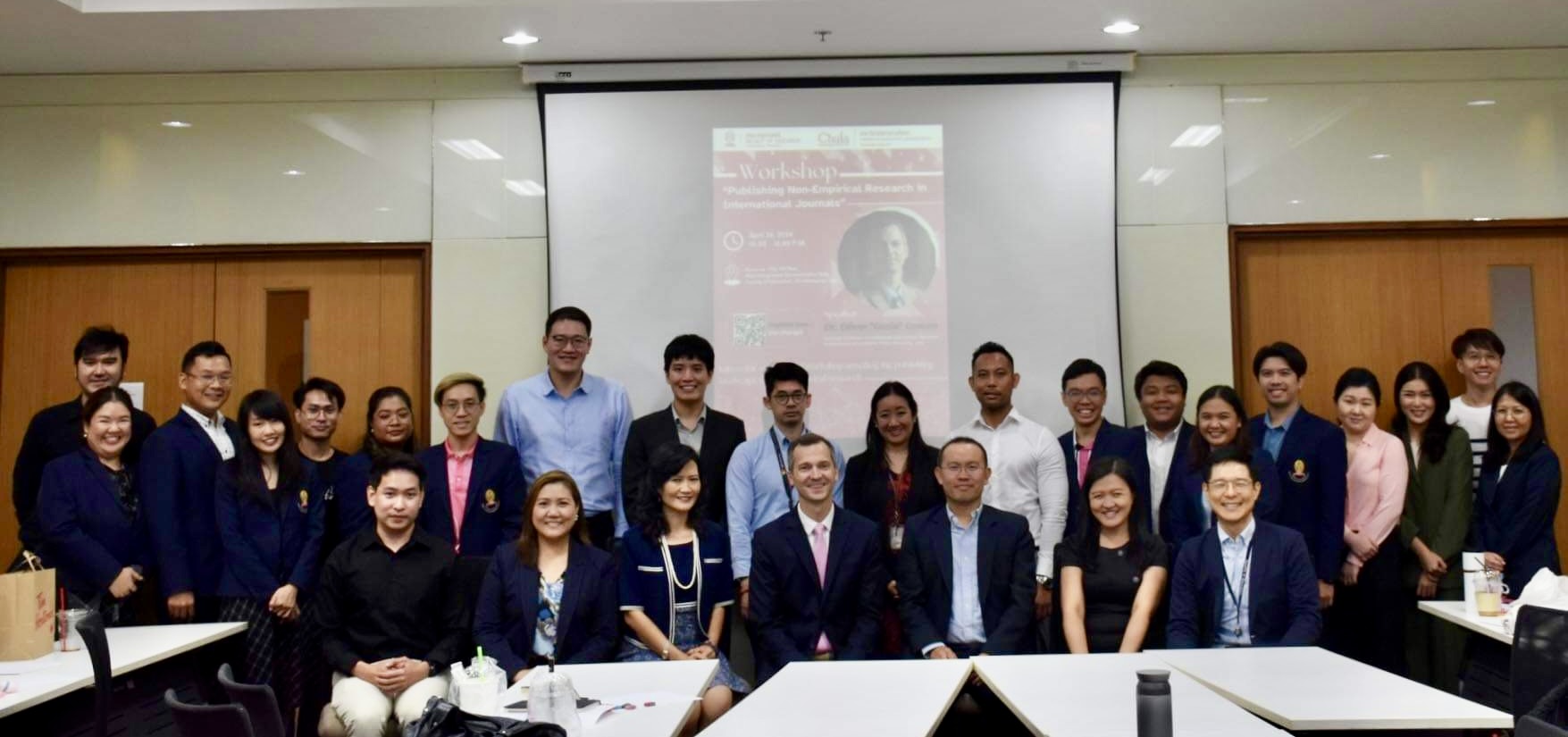
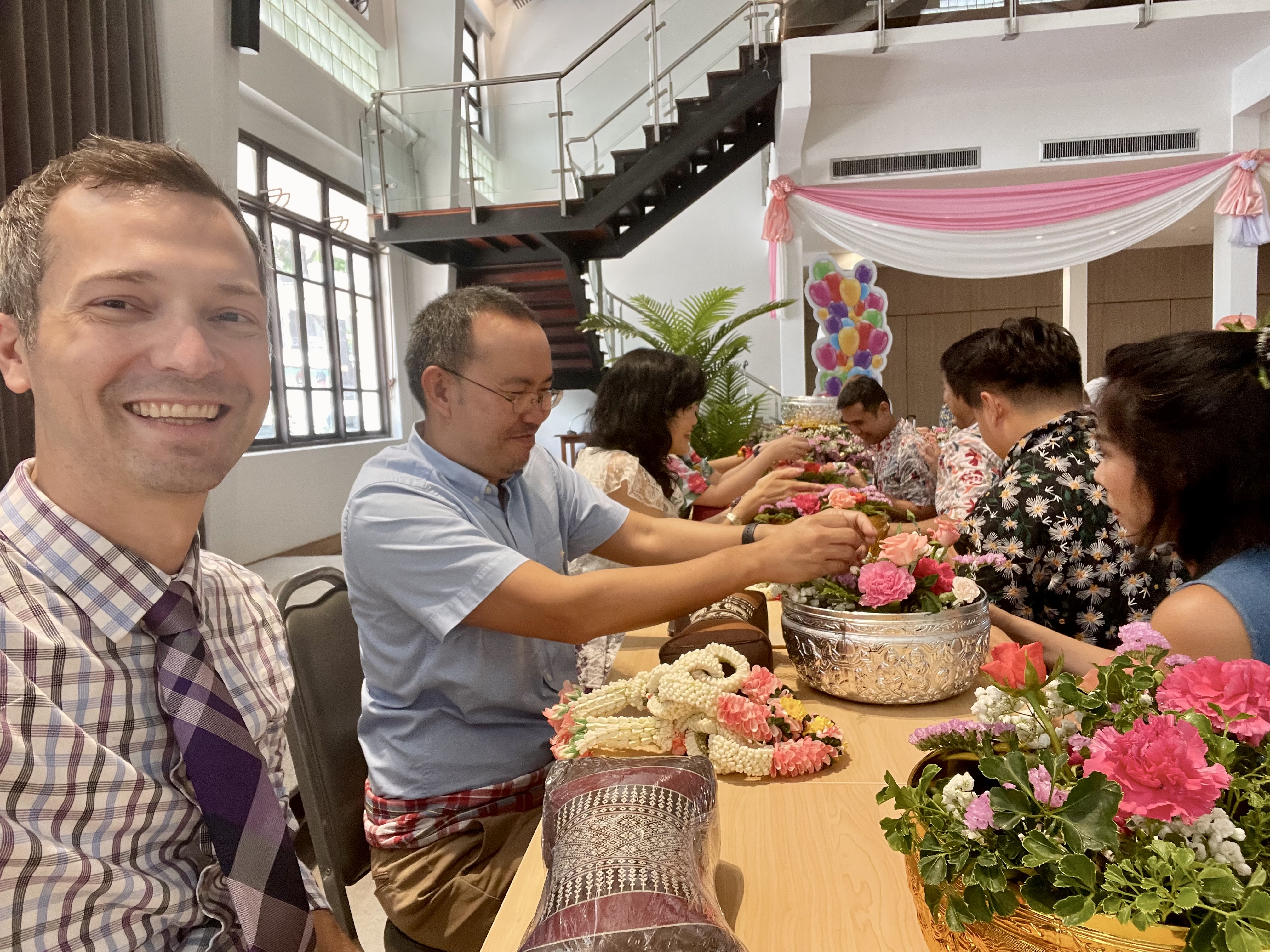
In Bangkok, I had the opportunity to give a lecture in the Faculty of Education at Chulalongkorn University on writing and publishing non-empirical research. I’ve loved working with the faculty and students at Chula as a Special Lecturer, and hope to continue to serve this great academic community however I can. Since my time overlapped with the tail end of Songkran, I got to participate in a special ceremony with the Department of Educational System Management Leadership. My friends and colleagues there, in particular Dr. Dhirapat and Dr. Sukanya, have continued to be a wonderful part of my work life.
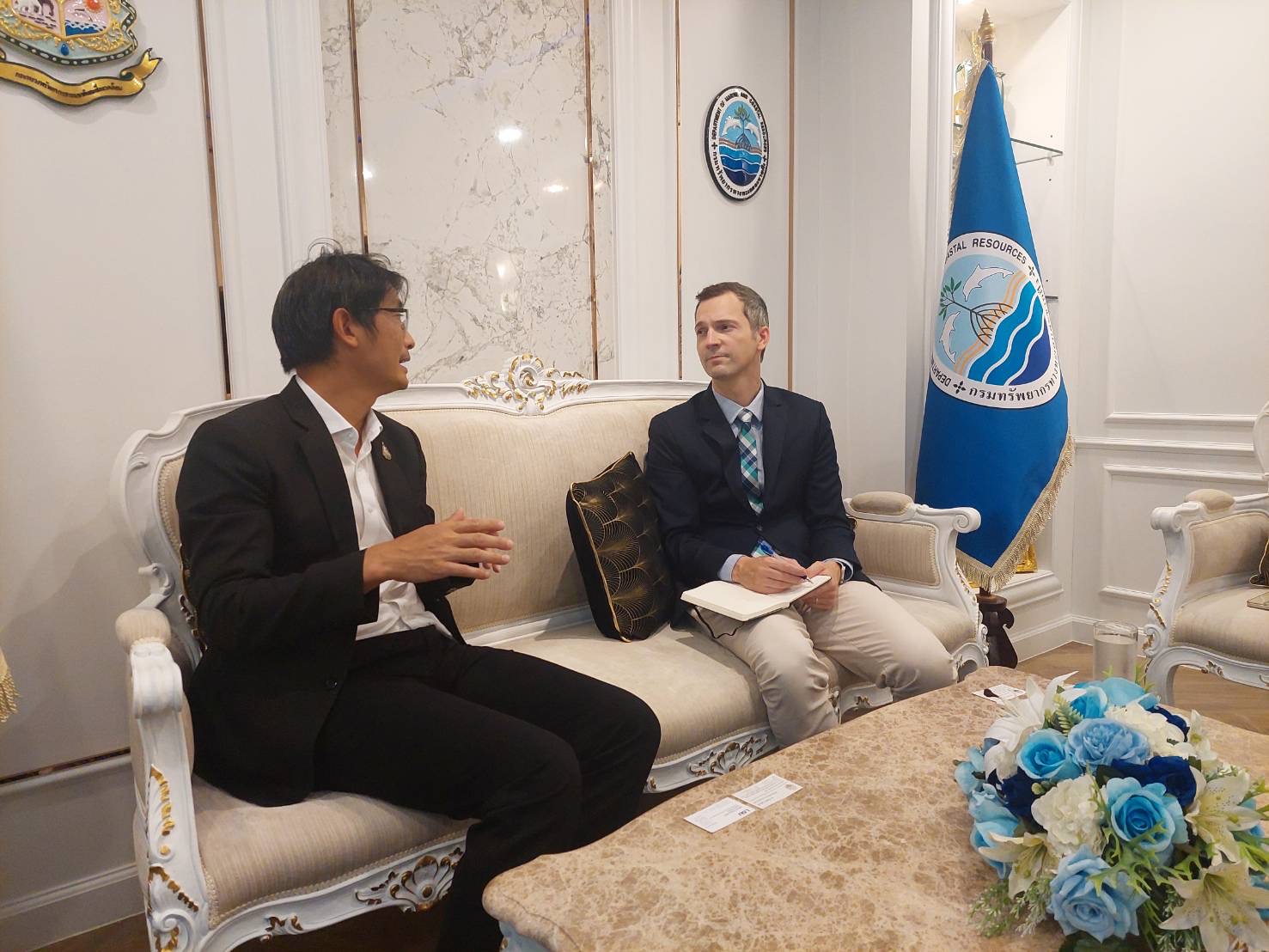
I also had the chance to meet with the Director-General of the Department of Marine and Coastal Resources in the Thai government to learn about their efforts in coastal preservation and coastal community resilience. It was a fruitful meeting and we’re discussing possibilities for future collaboration during my (hopefully) upcoming sabbatical. I love Thai people so much. They are kind, funny, friendly, and interested in working towards the betterment of their communities.
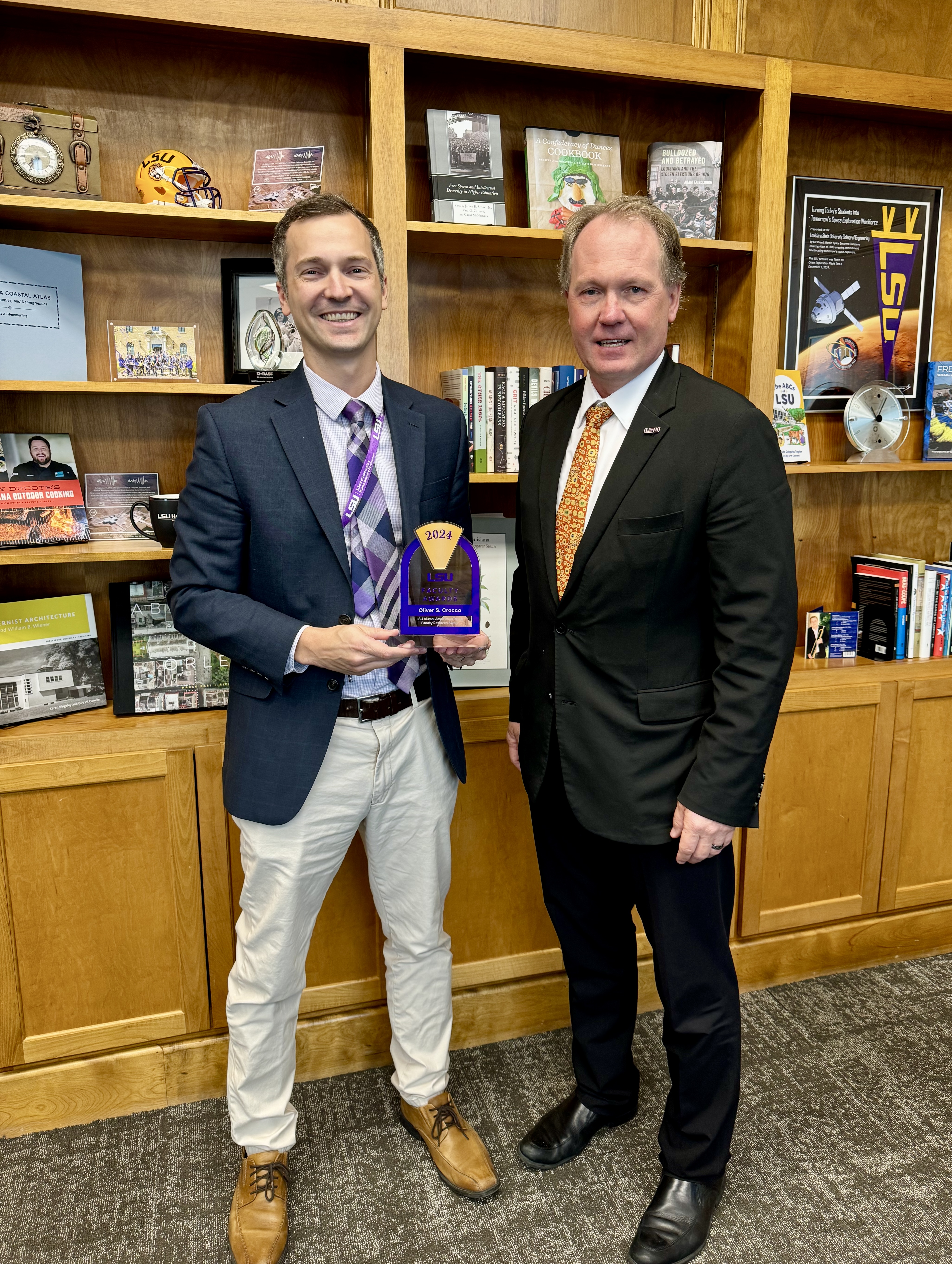
Travel weary but with a full heart, I returned home to a busy end of the semester at LSU. I was truly surprised and overjoyed to find out I was awarded the LSU Alumni Association Rising Faculty Research Award. Since I missed the ceremony during my trip, I got the chance to sit down with the provost and receive my award in person. Adding that to the AHRD Early Career Scholar Award and Mentorship Award from the College of Human Sciences and Education, it’s been quite an award-ful year, which I treasure because I know those years don’t always come around. To top it off, I found out I am being promoted to Associate Professor with tenure, which marks the end of an intense six year journey as a tenure-track faculty member.
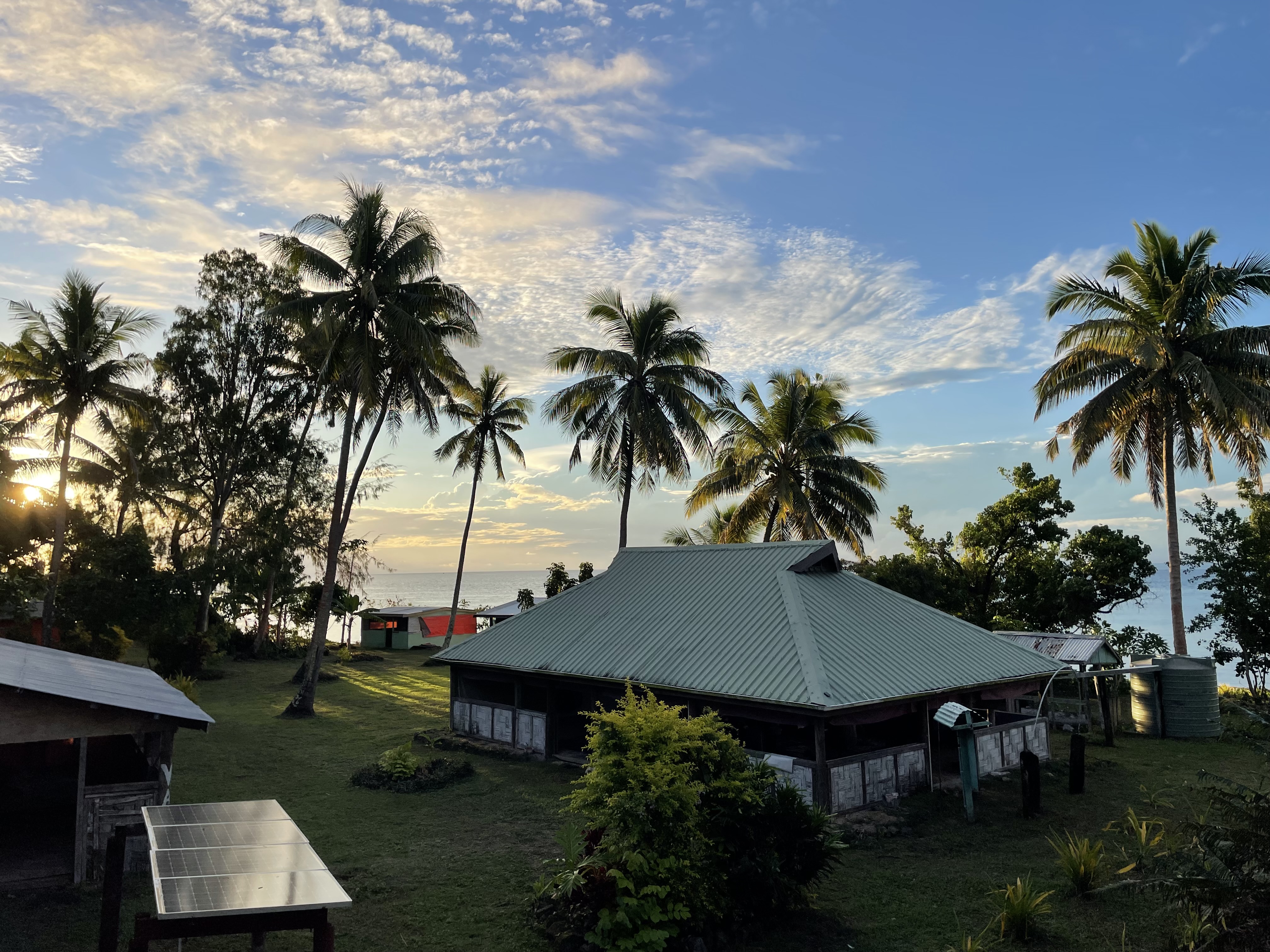
After recharging my battery, I continued my research in Fiji, where I spent a week with the island community of Vorovoro, an hour boat ride from the city of Labasa. I’m exploring doing additional research there on coastal community resilience and potentially bringing LSU students as well to participate. Honestly, I need a full post just on Fiji, but suffice it to say, my week on the island with no electricity or running water among some of the most loving human beings on the planet was awe-inspiring. I learned about sustainability, Fijian culture, kava root, climbing a coconut tree, harvesting shark meat, and harmonizing our voices and lives with the heartbeat of the waves. Much more to write on this at a later date. I returned home in a different headspace, and it’s stuck with me more than my other trips. I’ll be back.
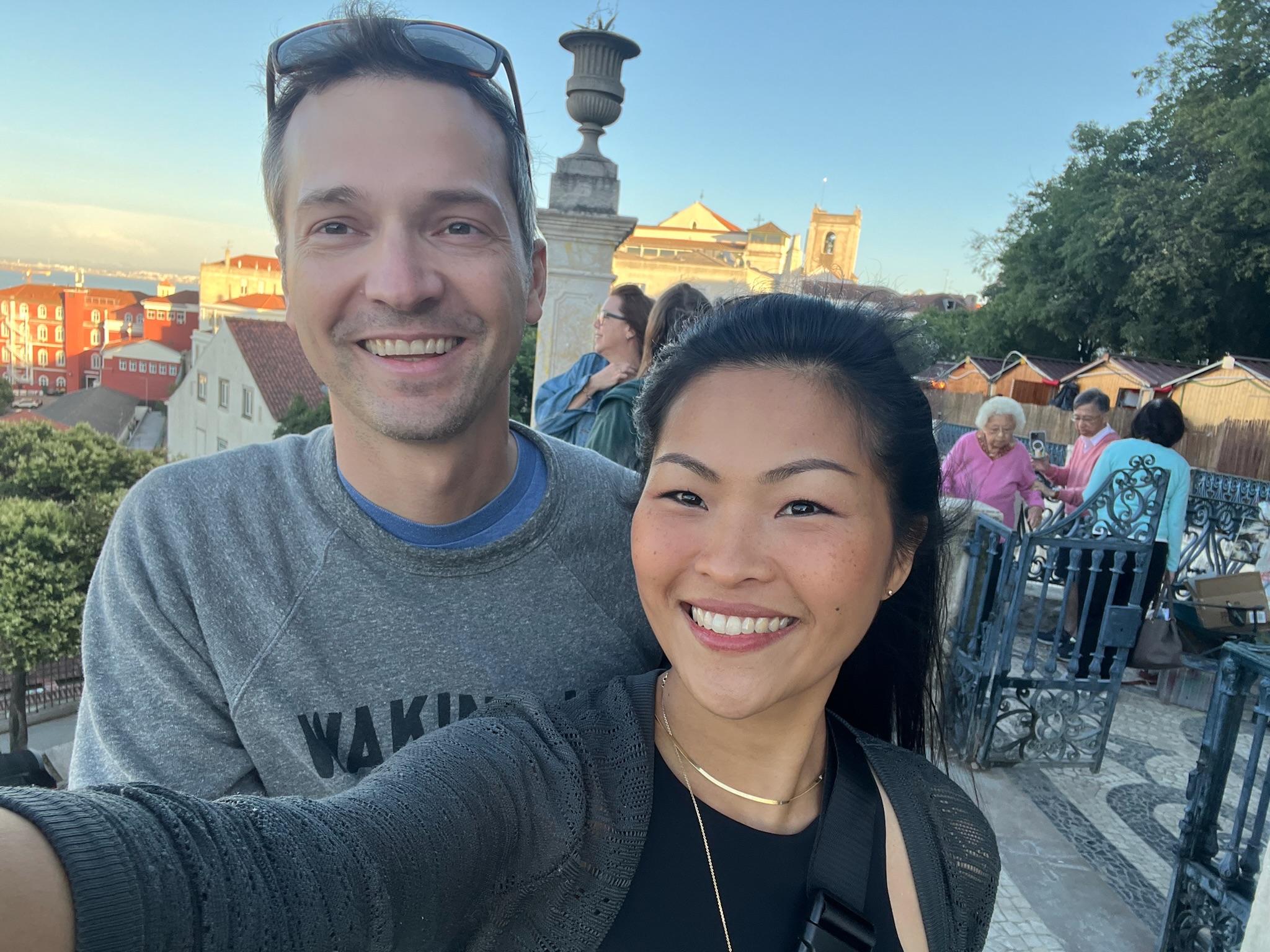
My last trip in this admittedly overly busy travel schedule was to Lisbon, Portugal, for the University Forum for Human Resource Development conference. Khai came with me while my mom stayed back with the kids. I loved traveling with Khai like we used to when we were dating. We held hands, laughed, ate whatever we wanted, didn’t rush around, and just enjoyed each other’s company. When I was at the conference, Khai rested in a deep way that I imagine only mothers/caretakers away from their kids fully understand.
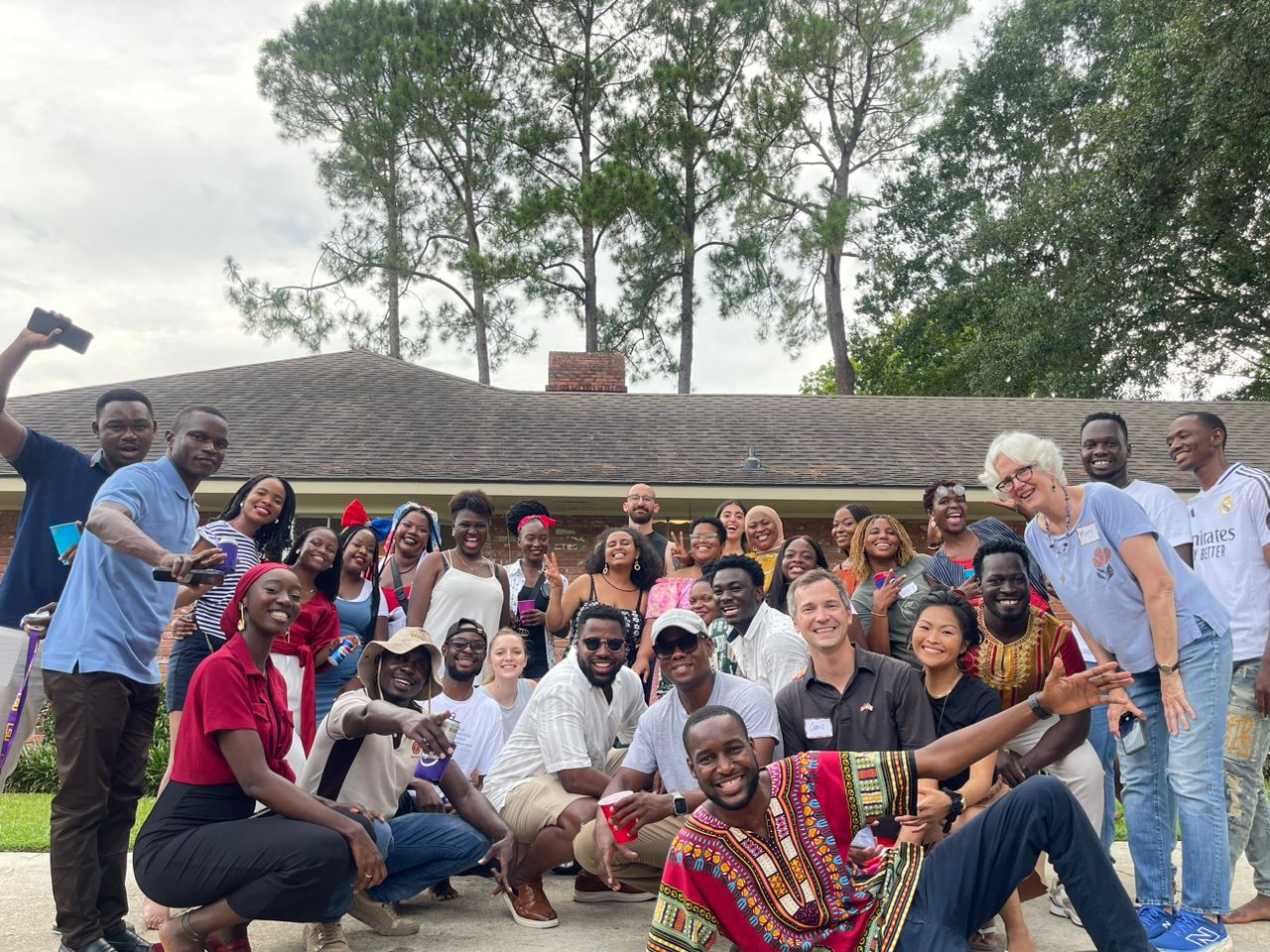
Back at home, I’ve served as the Leadership Manager for the Mandela Washington Fellowship here at LSU. Through a federal grant, we were able to bring 25 young leaders from 20 different African countries to LSU to study leadership development and civic engagement. Khai and I hosted the fellows at our house for the 4th of July, which was magical. Aden and Alice had a blast, too.
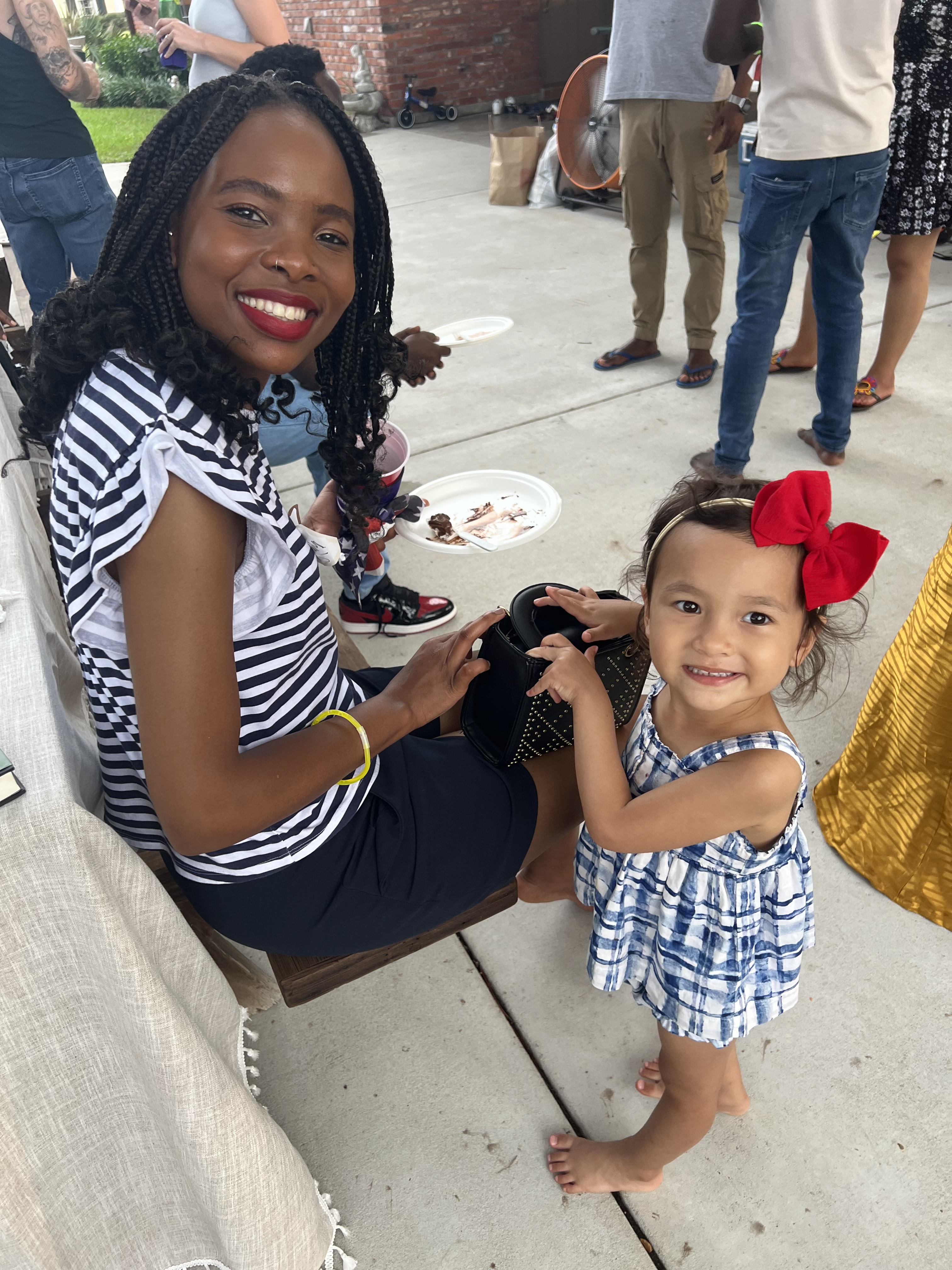
For my 38th birthday, I had a session with the fellows and then, in the evening, played in a Baton Rouge Ultimate Summer League game. Khai and the kids came along to cheer me on. Nothing like running your heart out with 20-somethings to feel alive. Ultimate Frisbee has always been one of my favorite activities, so it was special to play a league game on my birthday. The final point was hard-fought, with multiple turnovers as we squeezed the last of our energy out of our legs and lungs. We won the game. But we all won in life because we played an incredible sport as the sun set over the levee.
I’m firing on all cylinders. To be 38 is invigorating. Don’t worry, I’m taking time to rest, too. Our weekends and weeknights have been mostly chilling at home in our updated backyard (thanks, Khai!). Grateful for all the people in my life, especially for the ones in distant lands who have welcomed me to their homes and countries. Grateful for LSU and my Baton Rouge community. Grateful for my family. Onward.
Public transport and feeling alive in Timor-Leste
Posted on April 27, 2024 Leave a Comment

28 April 2024
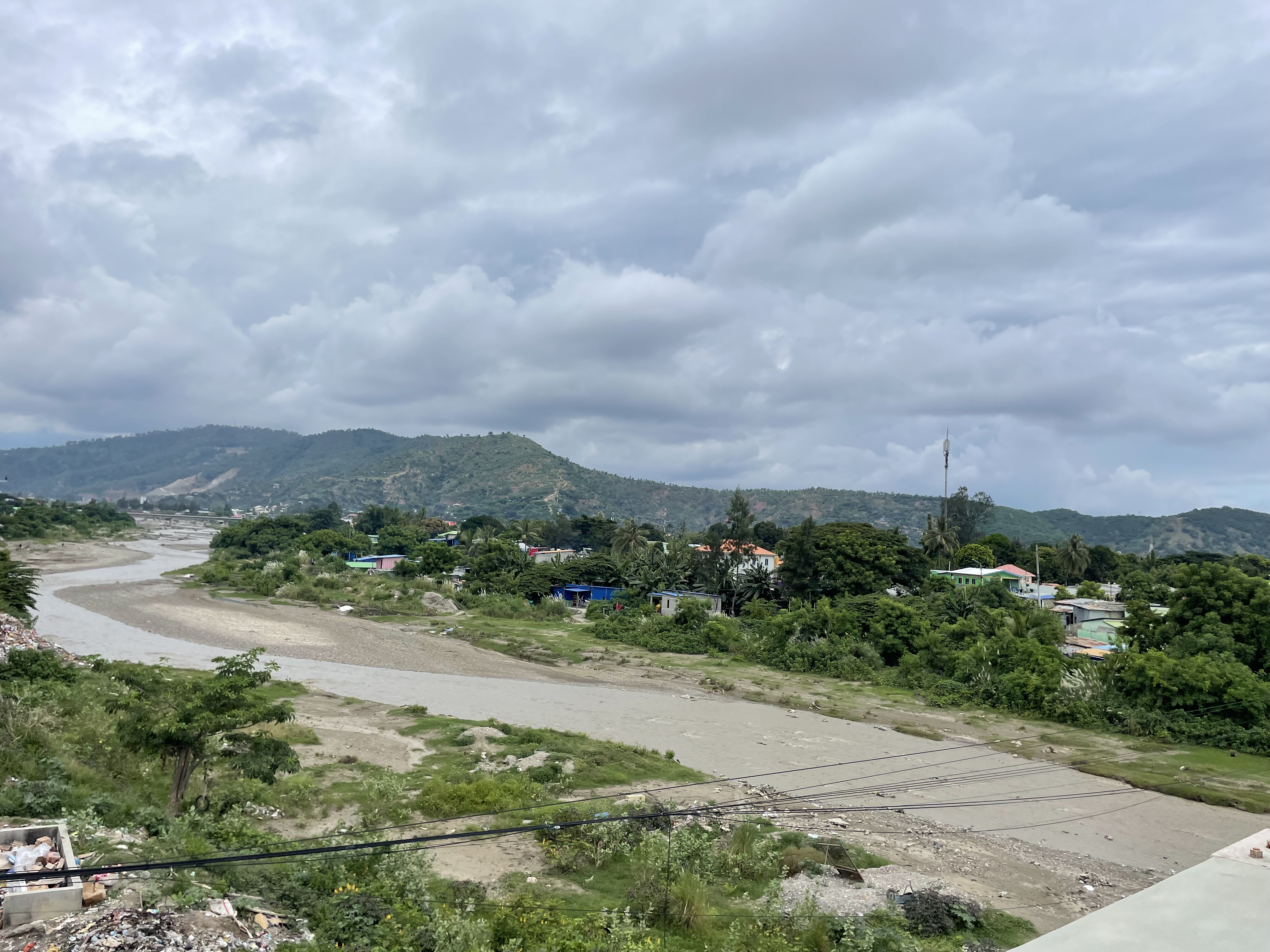
My shower water heater doesn’t work but it’s warm enough outside that I can’t call it a cold shower. I read in my room until breakfast is open. The Portuguese colonial influence – or at least globalization – is evident in the breakfast options. Bread and pastries with a variety of spreads, orange juice, and coffee. I try a fried banana slice. It’s crunchy with a soft and warm inside. There are over 20 types of bananas on the island. I need to get to town for a couple of things. It’s been my MO in new countries and cities to walk (or jog) to get to know a place. I decide not to get a SIM card. The disconnection is refreshing. There’s construction on the road leaving no sidewalk or shoulder, so I step down to where they’re building the new road. I walk about a mile and a half to Timor Plaza – the only “shopping center” in the country. I see lots of shops inside but the longest line is at the money transfer desk where people receive remittances from family members abroad. At the food court I eat some tofu and fish with a spicy chili sauce that reminds me of Thai nam jim. I grab my supplies and head back.
I decide it’s worth trying one of the mini busses I have seen on the streets. I learn later they’re called microlets or bemo. They seem to pick up and drop off people but I can’t tell if there are specific stops or if it’s more like the red trucks in Thailand that make stops based on rider wishes. I see a woman and ask her, but my question leads only to awkward smiles. Near an intersection, I need to go straight but I see some of the microlets turning left. I correlate the numbers on the back with whether they turn or go straight. The 11s are turning; the 10s are going straight. Of course the one I flag down is absolutely packed. There is only a sliver of pink upholstery visible on the two benches inside. I hit my head on the door and say “oi!” to the reception of nervous laughter. A kid hops on his dad’s lap and two women move together to make room for my long legs.
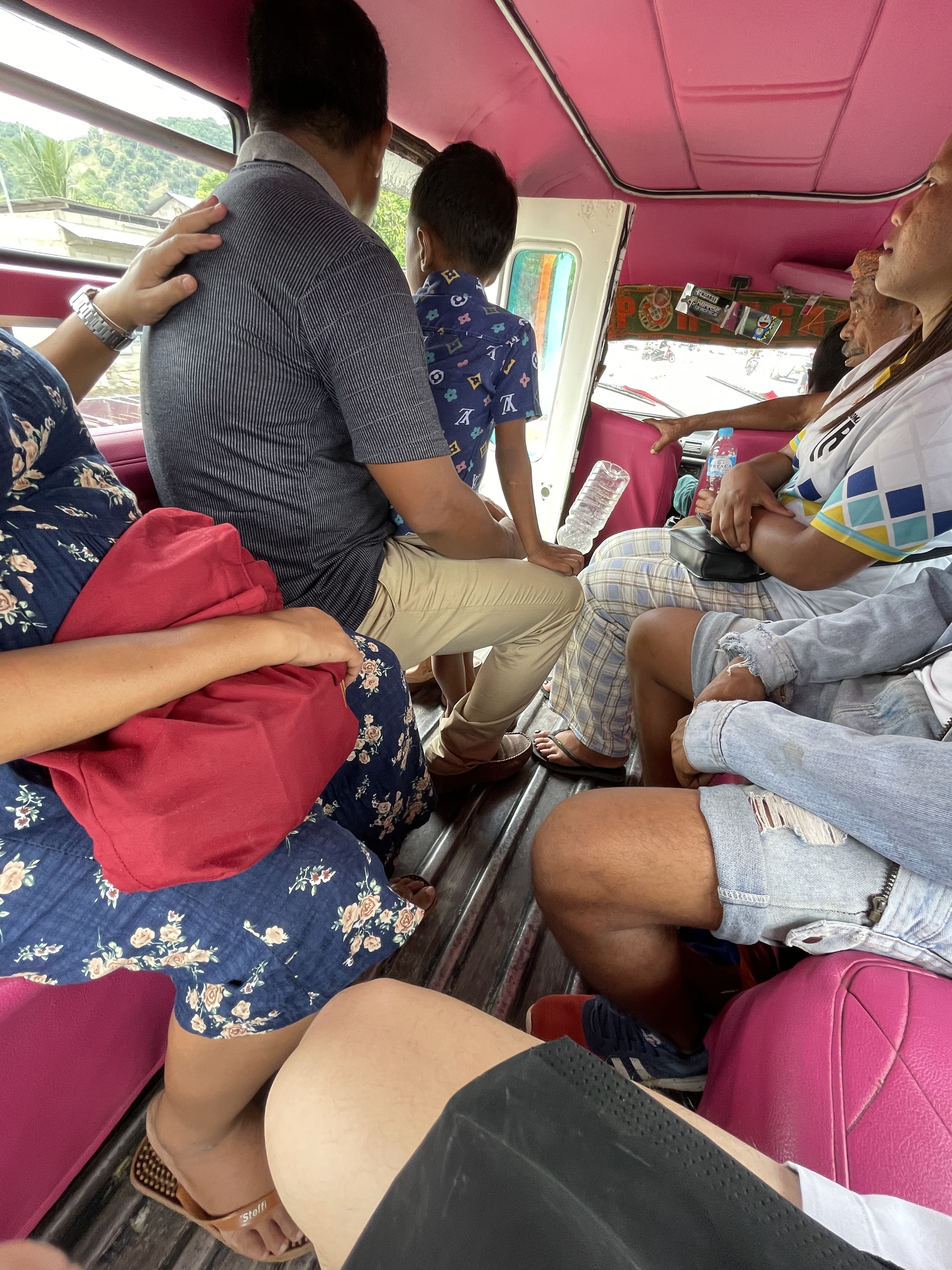
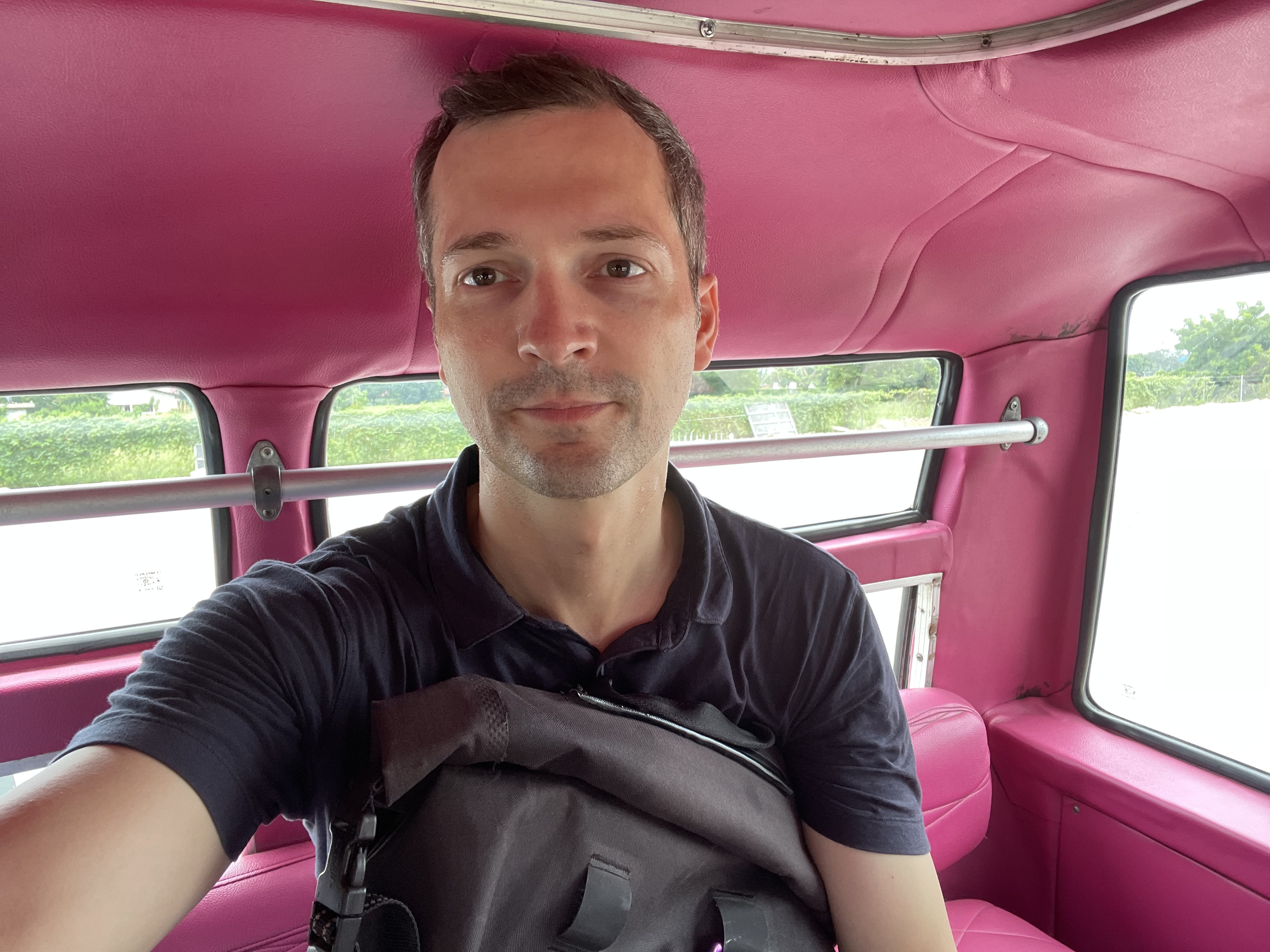
I announce the name of my hotel and receive nods and smiles. The young lady across from me appears to be taking my picture on her phone. There’s virtually no air circulation but I’m happy. A handful of people get off and a young woman waves goodbye to me from the side of the road. I get off at my hotel. The ride is only 25 cents compared with a taxi that I was told could cost $10-15. Obviously the cost is not the point. The point is the experience of traveling like a local, facing a situation where I don’t have full control or knowledge; leaning into that healthy twinge of discomfort that tells me I’m alive.
Onward.
Notes on Traveling to Southeast Asia
Posted on April 13, 2024 2 Comments

14 April 2024
Precarious Transport in Bali
The humidity hits like New Orleans but the air smells different. I find my way to my taxi outside the airport in Bali. The taxi’s AC is welcome but blows pathetically like it’s been overworked and under-serviced. My driver hands me his phone with a cracked screen to type in my hotel name — at least I feel in control of where I’m going. I make nervous small talk and ask him if he’s from Bali. He’s from Java and came here to work. After exiting the airport complex, we slowly move through small streets. His manual car sputters in low gear. Construction makes the phone route impossible. We get lost. His phone internet stops working, so he turns it off and on again. The car putters along at ~20 km per hour. His head pivots between looking up over the steering wheel and then down at his phone. He pulls over three separate times to ask for directions. The helpers each point where to go, but I’m losing confidence. I have to be on Zoom for an oral exam defense in two hours (1:30 am Bali time). We stop a fourth time. The farther we go, the quieter the streets. This hotel was supposed to be a mile from the airport and it’s now been over 20 minutes. He finds a new alley to go down — the street name is spray painted on the wall. His car won’t fit. He stops a fifth time. The person he’s talking to takes a drag of his cigarette, points, and nods. The driver comes back and informs me I’ll have to walk, which is fine because I believe more in my feet than his driving at this point. I tip him 50,000 Rupiah, a quarter of what the ride costs, and head down the narrow side street. The rhythmic clicking of my bag wheels on the patterned path feels disruptive on an otherwise quiet street. After a hundred meters or so I arrive at the hotel. There’s decent Wifi but only in the restaurant, not in the rooms. I shower and take a deep breath. The oral defense goes well.

Jet Lag
Overcoming 12-hour jet lag is a moving target. Much like dieting, everyone has something they swear by until it stops working and they move on to the next thing. My overall strategy is to sleep as much as possible whenever I can while traveling but then once I land I aggressively employ caffeine, sunshine, exercise, and social outings to keep me up until after dinner. When I wake up in the middle of the night, I use those opportunities to pretend like I can sleep in as long as I want (something I usually wish I could do). Once up, I read and journal. Today, I’m reading “If You Leaves Us Here, We Will Die”: How Genocide Was Stopped in East Timor by Geoffrey Robinson.

Read Before Landing
I am so grateful for my study abroad experience to Turkey as an undergrad, which included a 1-credit course of readings and discussions before we departed. I read about Islam, the history of Constantinople, early religious sites in Turkey, and even a recommended novel by a Turkish author. That was my first major trip abroad besides a high school choir trip to Austria/Hungary and a trip over the border to Toronto, but it embedded deep in my mind the valuable lesson to “read before landing.” And not just anything or one thing but read broadly: history, culture, literature, and language. Much to the dismay of my wife at first (she’s used to it now, though), I’ve kept up this practice and ordered a handful of books before my trip. Reading about the atrocities and genocide in Timor-Leste before I arrive has been heart-wrenching but fills in much-needed gaps in my knowledge. I have been shocked and saddened by the US role in essentially giving the Indonesian government the green light (and the weapons) to invade the country in 1975. I want to acknowledge that fact – in a careful way – before I conduct the leadership development workshops I’m doing this week. And I suppose that any good I end up doing while I’m here is all I can do about the wrongs of the past. And I suppose that’s all anyone can hope about the future – that those who come after us will work to right our wrongs and learn from our sometimes horrific mistakes.
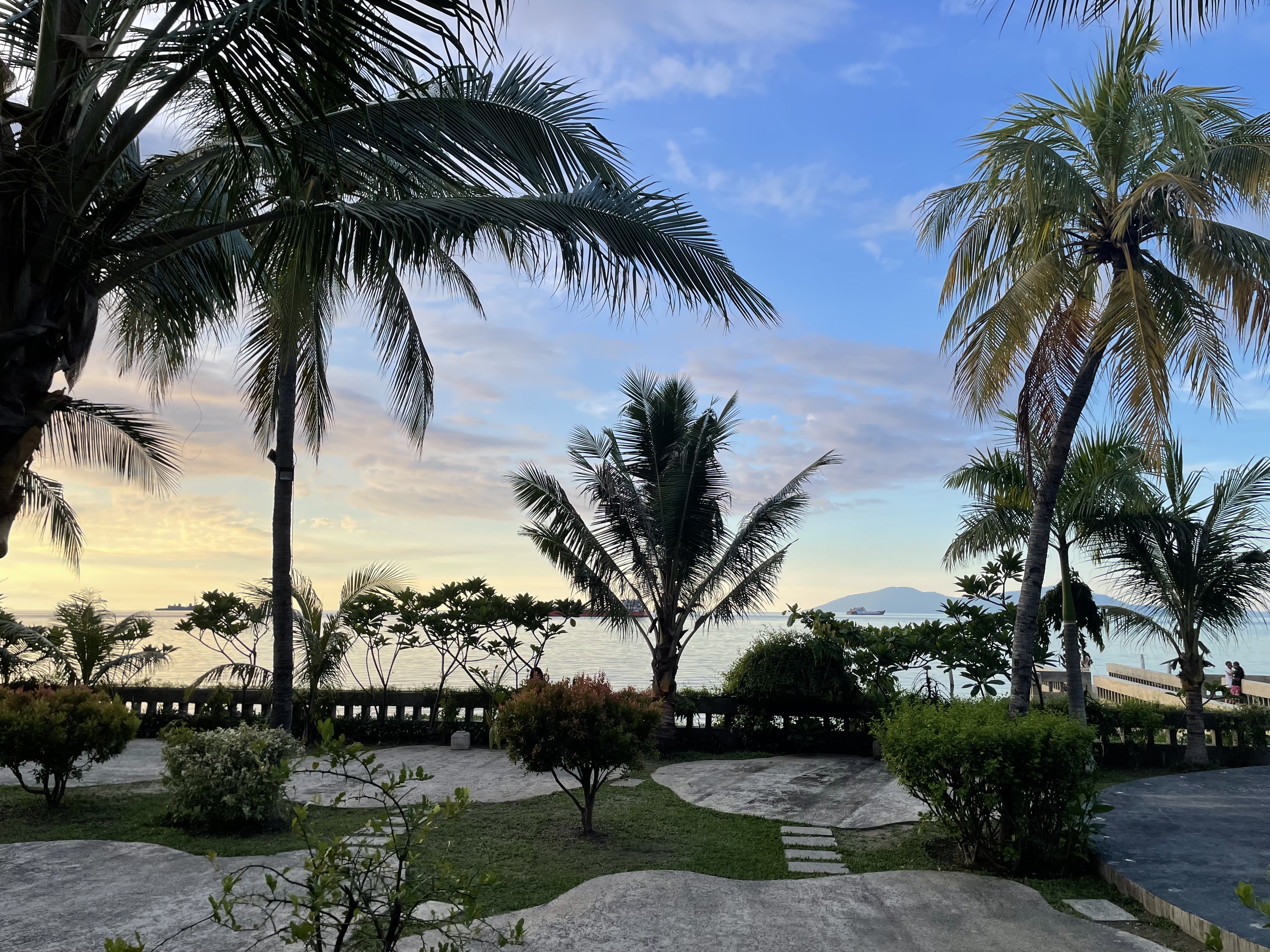
From Researching to Actually Doing Regional HRD in ASEAN
While I lay in bed in the middle of the night, it dawns on me — In 2016 I wrote my first conference paper in HRD in ASEAN. Then Alex and I presented our conference paper about Regional HRD in 2018, which turned into our award winning HRDI article published in 2022. We also published another book chapter and two other articles on the topic of HRD in Southeast Asia and ASEAN. In those projects, we pored over thousands of official ASEAN documents, speeches, and communiques looking at instances of identifiable HRD in the region. Now eight years later, I’m in Timor-Leste for my first time to participate in the Future Leaders of ASEAN program. It hits me that I made the shift from researching to actually doing and participating in regional HRD in Southeast Asia. I text this realization to Alex on WhatsApp. What a long way I’ve come. The scholarly journey can be tough because it’s a slow process of doing good work and building relationships with only sporadic acknowledgments of your progress. I think especially in a place like Southeast Asia where status and networks matter so much, I can’t just come in as a young hotshot and expect anyone to care. It’s been such a slow process. As I think back, it’s been people like Gerry Fry, Amp Lao, Bob Aubrey, Lorraine Symaco, Sukanya Chaemchoy, Earth Kulophas, and many others. They have believed in me and empowered me along the scholarly journey. And it hasn’t just been one way. I have sought to use my skills and energy to support their work as well for the betterment of the lives of people in the region.
Onward.
These Hands
Posted on April 11, 2024 1 Comment
12 April 2024
When I was young — around 9 or 10 — I remember looking down at my hands during a church service in Pittsburgh. I stared at my palms and noticed the color of my skin, the shape of my fingers, the lines running up and down and side-to-side. At the time, I was probably bored. But that day has become a core memory. Since then, every so often I’ll pause and stare at my hands and think back to that day and about the time that has passed. It’s almost a meditation. I think about what these hands have done and how they look different with the passing of time.
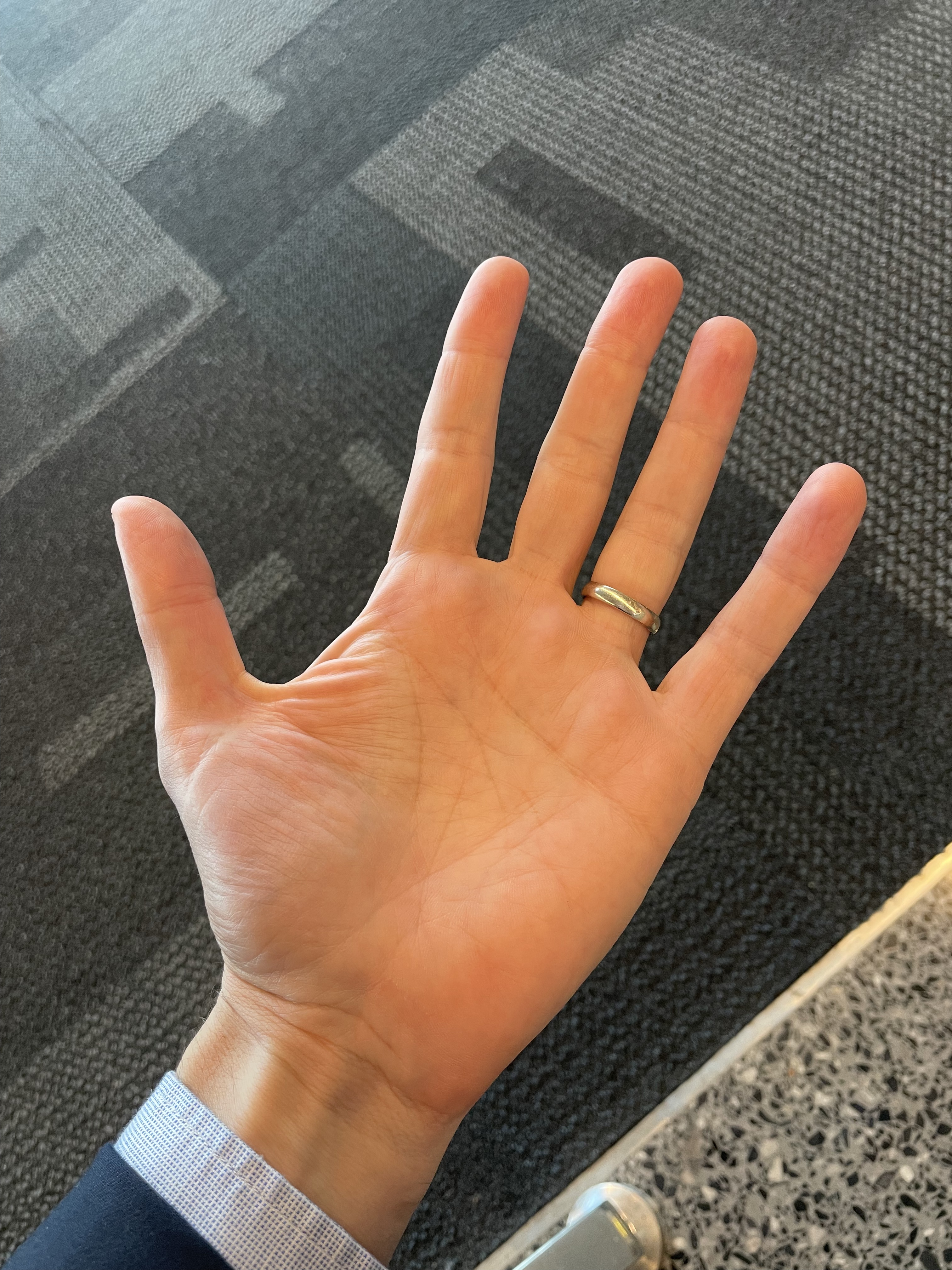
I’m traveling to Southeast Asia now for a research trip associated with a small grant. I had a 14.5-hour flight from Dallas to Doha and took some of that time to stare at my hands. This year marks the 15-year annniversay of my first trip to Southeast Asia. Oh, how time has passed in glorious and unexpected ways. Outside my gate to Bali, which is the first stop on my trip, I see the same happy and excited 20-somethings with backpacks and sweatshirts that I once was. I’m now the greying professional on his laptop in a navy blazer. I’m still happy, though — never happier, actually — but I’m not that man anymore. I miss my family and home already. I’ve got bigger responsibilities awaiting me on this trip but feel less nervous or excited than I was as a 23-year-old landing in Thailand for the first time. I feel calm. Content. Hopeful. Every day with these hands has been a blessing.
Onward.
Do-overs only exist in blogs.
Posted on March 26, 2024 Leave a Comment
26 March 2024
Last month I was fortunate to win the Early Career Scholar Award at the Academy of Human Resource Development conference in Arlington, VA. While I had been informed that I was winning, I didn’t realize (or remember) that I would have the chance to give an acceptance speech. When my name was called, I said a few clumsy words at the podium and then scrambled down to take my picture with the President and President-Elect. As I returned to my seat, I immediately felt that I wanted a chance to redo my speech. Since there aren’t chances for do-overs for most things in life, I’ll use this short blog to share what I would have said:
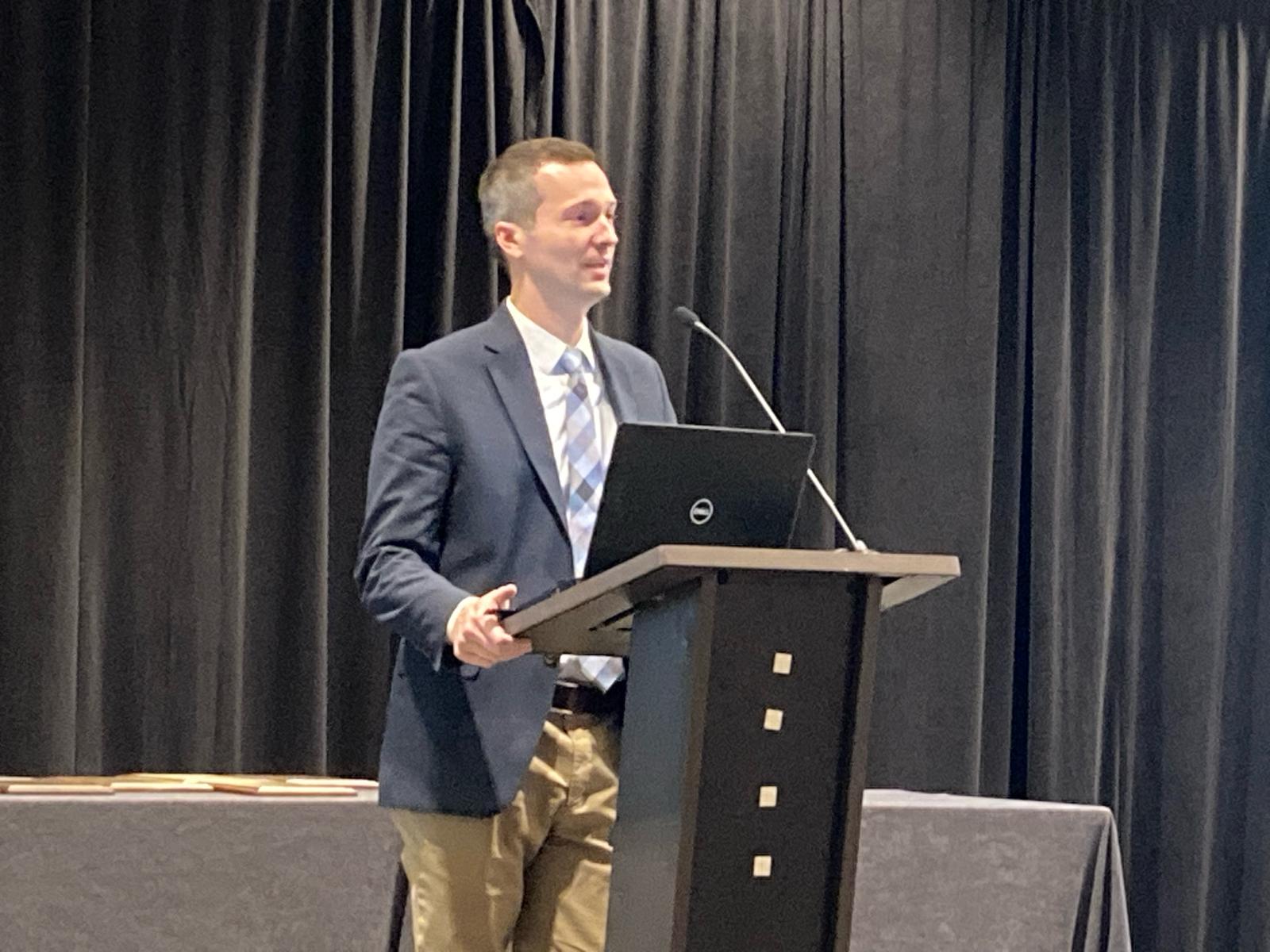
Thank you, Josh, and everyone on the award committee. I feel incredibly honored to stand here in front of so many colleagues, friends, mentors, and researchers. There are so many people to thank, but I’d like to highlight one individual who has supported me along my scholarly journey.
It was a hot spring day in Chiang Mai in 2014 when my phone rang with an unknown number. I answered, somewhat skeptically, and ended up having a wonderful conversation with a scholar from the George Washington University about my interest in the Human and Organizational Learning program. Given the 12-hour time difference, this person had stayed up late to catch me during the daytime in Thailand. When I hung up the phone, I knew that GW was the place for me.
At GW, I was nurtured as an emerging scholar through my coursework and dissertation, but the most powerful experience during my time was the constant mentorship, advising, and eventual friendship with Dr. Maria Cseh who I have come to know is one of the most brilliant minds on the planet. Thank you, Maria, for supporting me along my journey and helping me become the scholar I am today.
Onward.
Fruitful Work in Thailand, Winter 2023-2024
Posted on February 13, 2024 1 Comment
13 February 2024
This winter, I had the privilege to travel to Thailand with family for an assortment of professional and personal activities that were wonderfully fruitful — literally and figuratively.
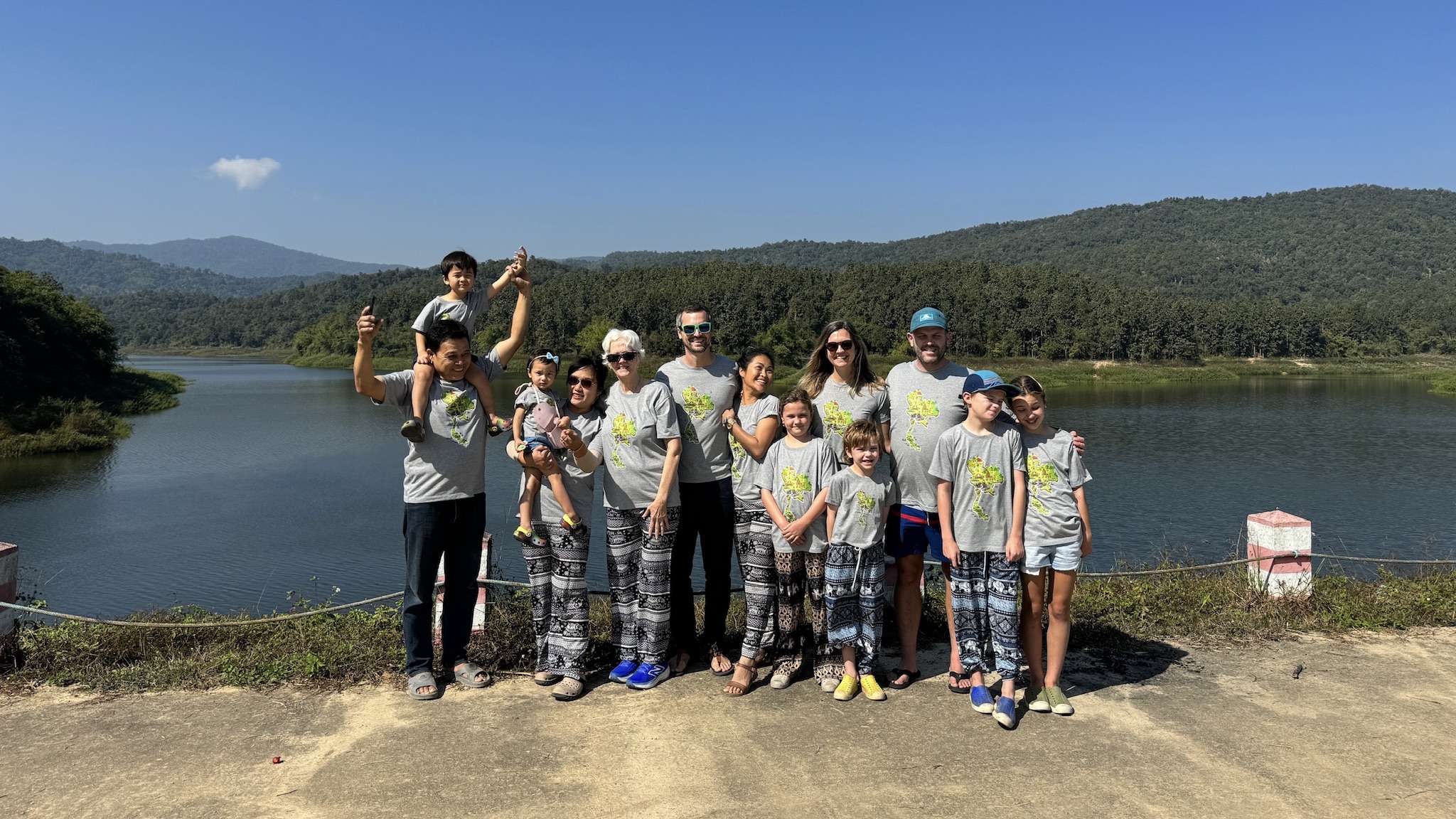
While our time was action-packed, I want to highlight my experience leading my study abroad program and my time guest lecturing at Chulalongkorn University. This was the third year I served as Program Director for the Global Leadership in Thailand study abroad program at Louisiana State University (LSU) along with my colleague Dr. Eddie Gibbons. It was our smallest group with only seven students, but the small size of our group turned out to be an absolute blessing as we bonded throughout the course and had deep conversations about global leadership, Thai history and culture, and professional development. Our schedule was full with a variety of cultural site visits and organization visits in Bangkok and Chiang Mai.
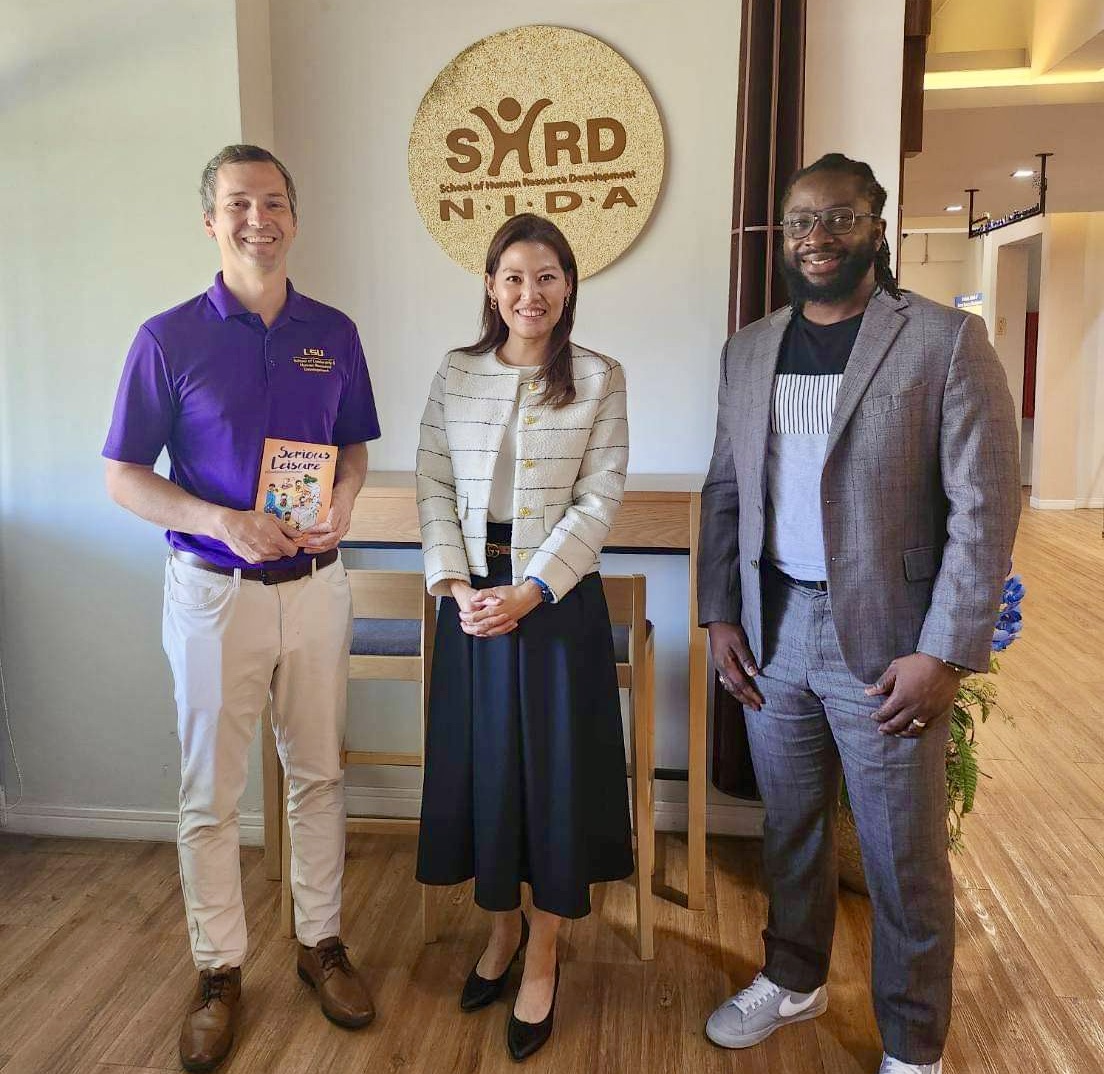
Even before the program officially began, I took one of the students on a visit to the National Institute for Development Administration (NIDA) where they have an incredible Graduate School of Human Resource Development. I am so grateful for Dr. Dawisa “Oui” Sritanyarat who is a top-notch HRD scholar and recently published this superb article on serious leisure in the workplace. And, by the way, the Academy of HRD conference in Asia will be held at NIDA in 2025!
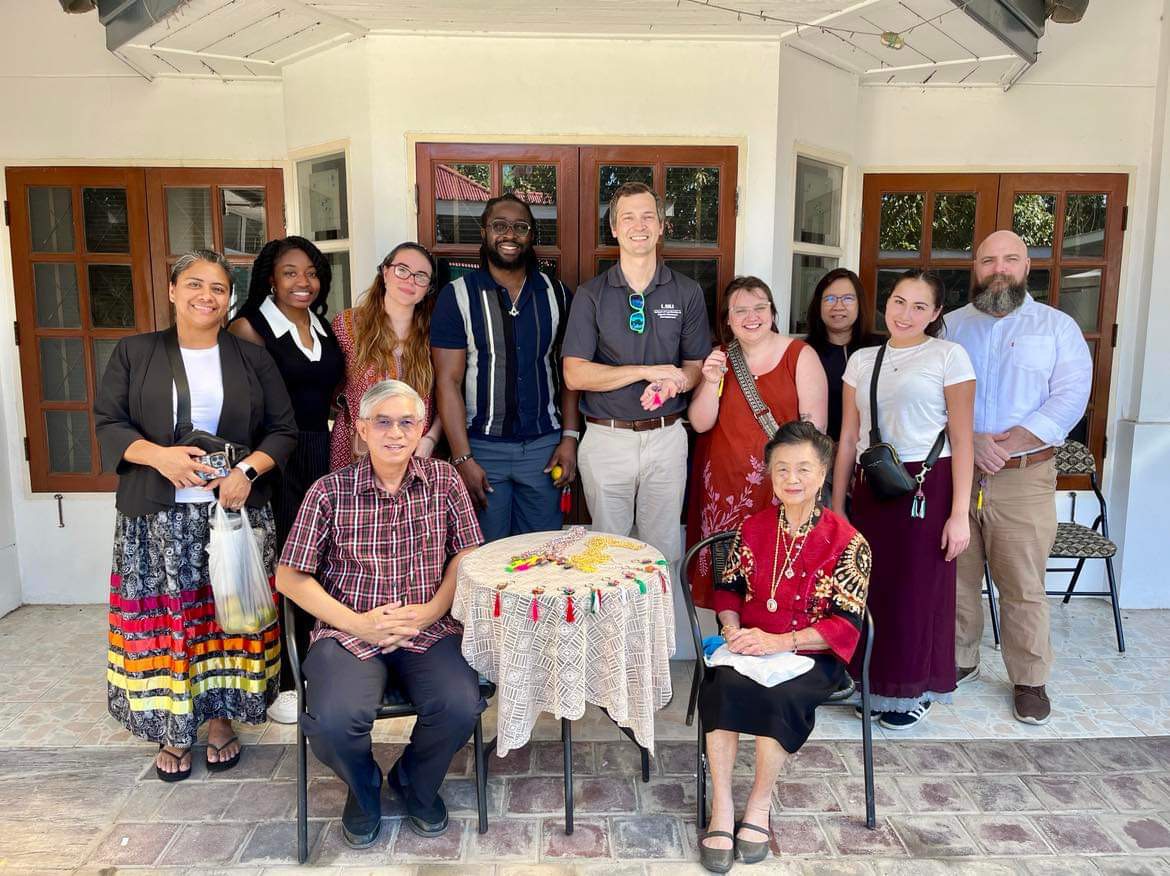
Another special highlight was an intimate discussion about global leadership development in the home of former President of Payap University, Dr. Rux Prompalit. His 91-year-old mother also shared special handmade gifts with all of us.
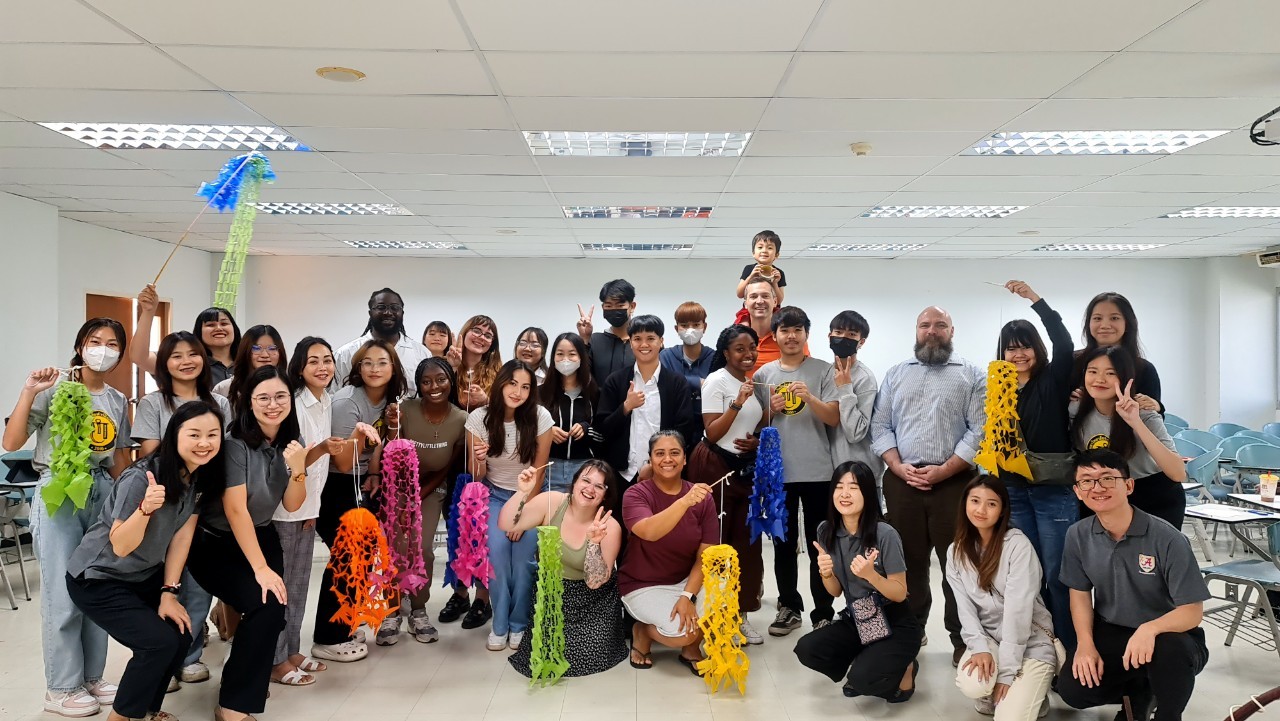
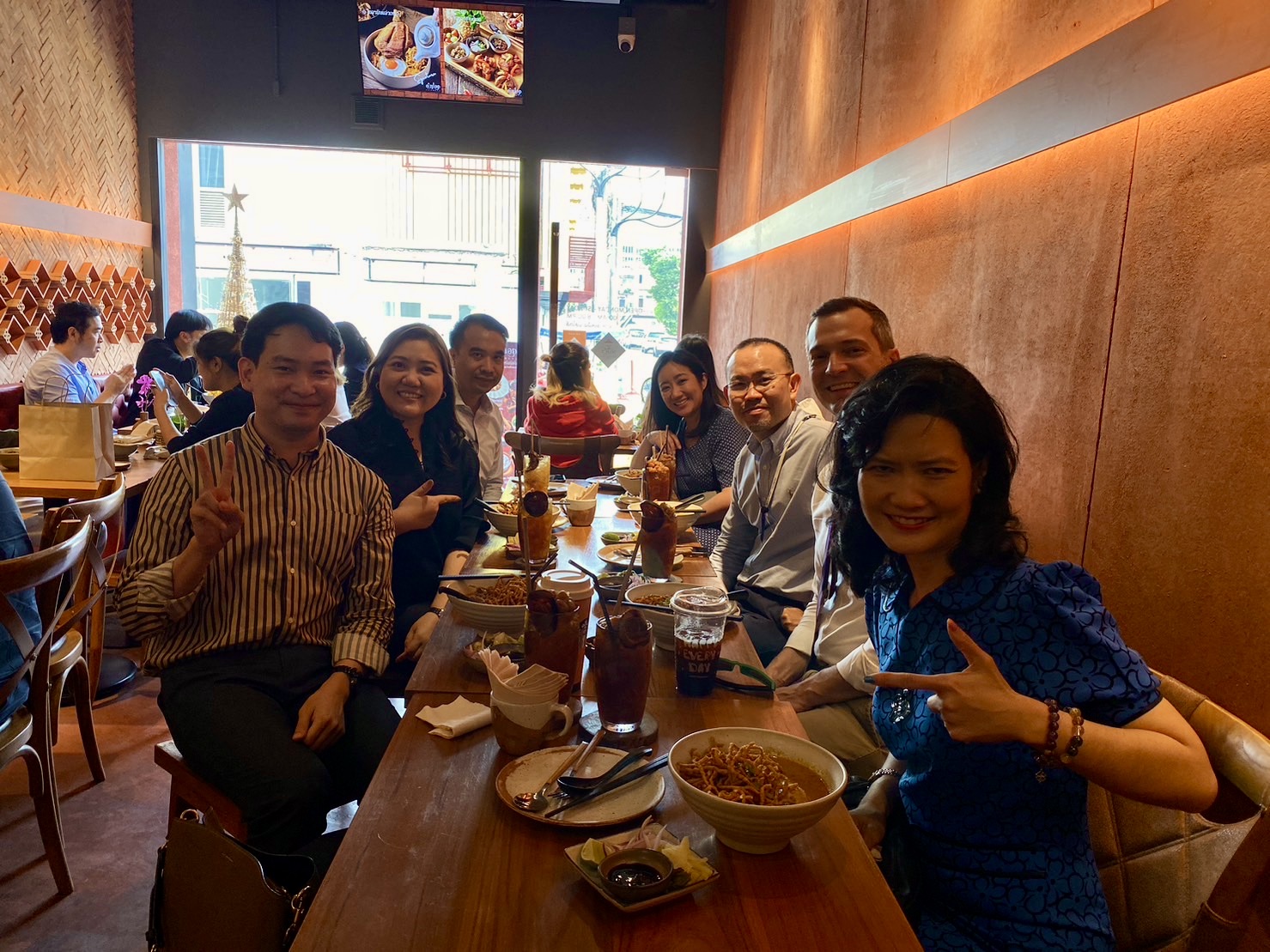
An equally rewarding part of my trip was my time at Chulalongkorn University where I have served as a Special Lecturer in the Department of Educational System Management Leadership for the last three years. On my first day, some of the faculty took me out to eat at a Northern restaurant (because they know I love Northern food). Since most of them are from Central Thailand, I even had the chance to teach them a few Northern Thai words. It’s so nice to build on budding friendships.
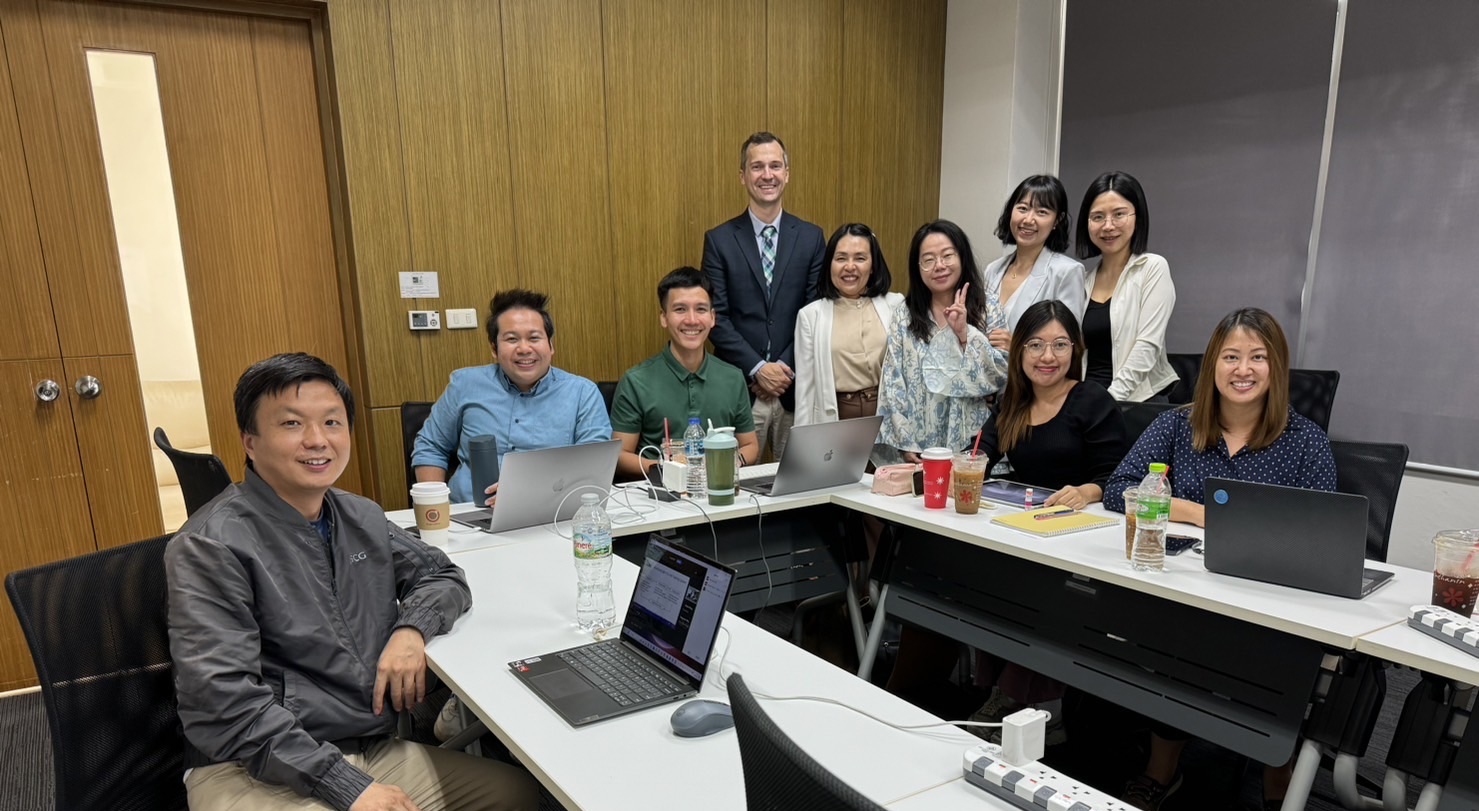
They gave me a beautiful office to work from, which allowed me to keep up with work back home and prepare my lectures. I was thoroughly impressed with this cohort of PhD students, and I am so grateful to my good friend and co-author, Dr. Sukanya Chaemchoy, for the opportunity to engage with these students. I am exploring the possibility of doing my future sabbatical here, which would allow me to build on these relationships and support this fantastic program.
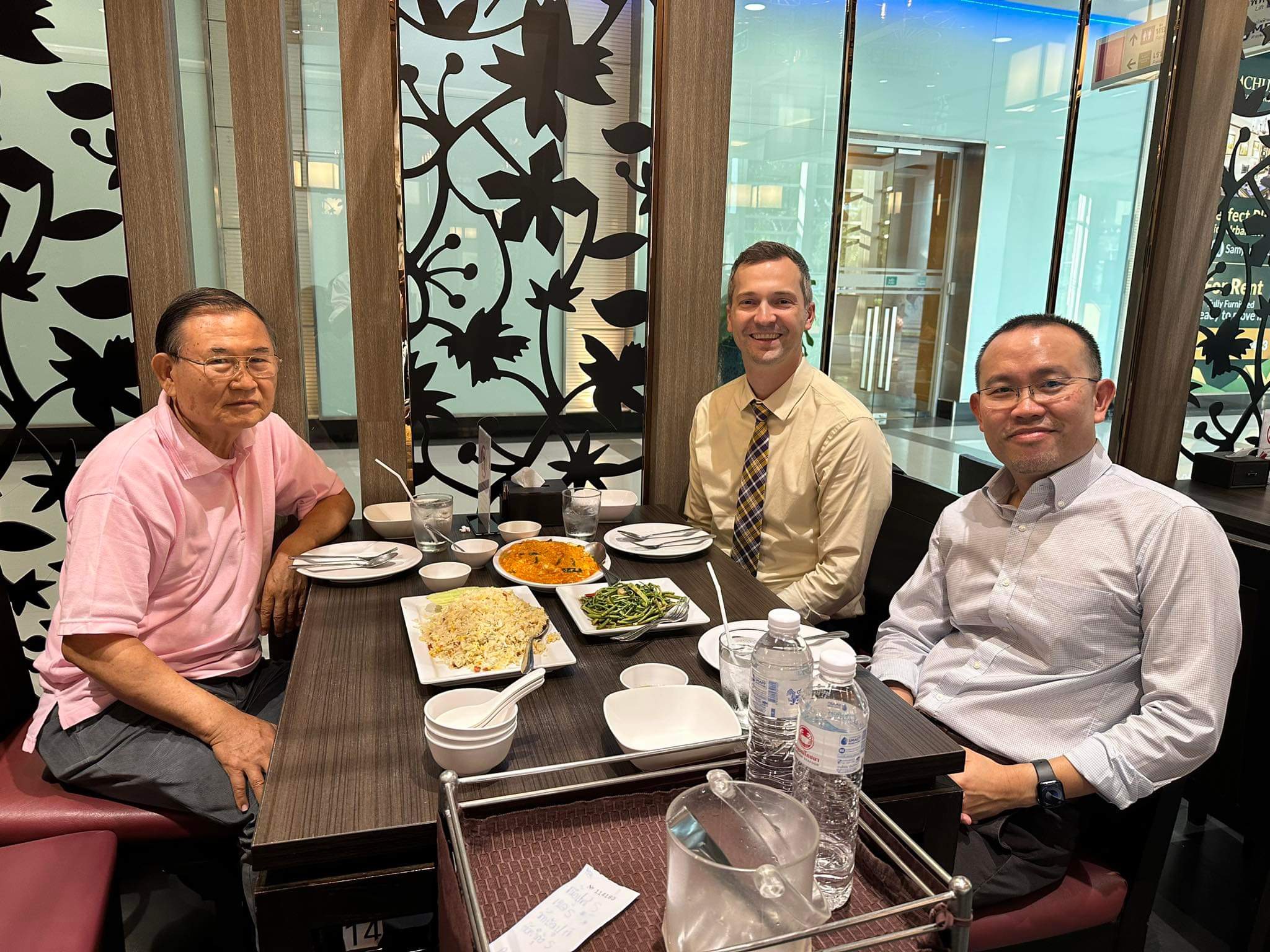
Speaking of co-authors at Chulalongkorn, I had the opportunity to meet up with several others with whom I’ve had the pleasure of working on a variety of projects. This included Dr. Somwung Pitiyanuwat who I had never met until this trip but with whom I wrote a book chapter on higher education in Thailand a couple of years ago. Aj. Somwung is the former Dean of the Faculty (College) of Education at Chulalongkorn, and we had a great conversation together along with Dr. Dhirapat “Earth” Kulophas. Earth and I have been working with Bangkok school leaders on a study about learning and development needs of Thai teachers. Earth and I Zoom regularly when I’m back in the States, and he’s become a good friend.
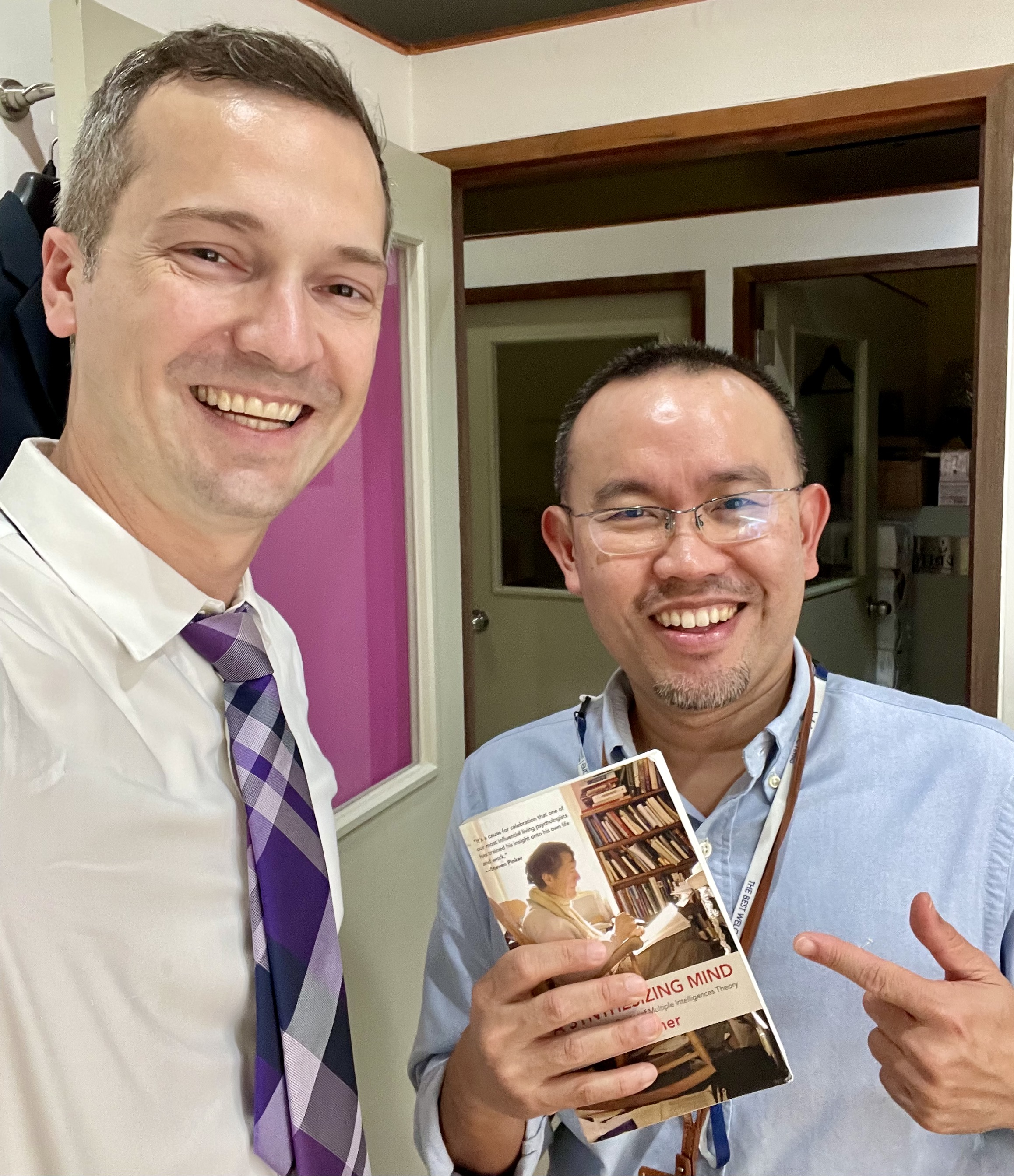
I wanted to give Earth a meaningful gift, so I gave him a copy of Howard Gardner’s latest book The Synthesizing Mind, which is a professional memoir of sorts based on his academic career. You may know Gardner from his work on Multiple Intelligences. He was also at the Harvard Graduate School of Education when I was there. After we took this picture, I sent it to Gardner and he wrote back a nice note of well wishes to both Earth and me.
I also got to meet up with my friend and co-author Pimsiri “Pim” Aroonsri who teaches human resource development in the Faculty of Political Science at Chula. We had a celebratory dessert because we recently published a cool study on workplace learning of Thai gig workers and have another journal article accepted with minor revisions.
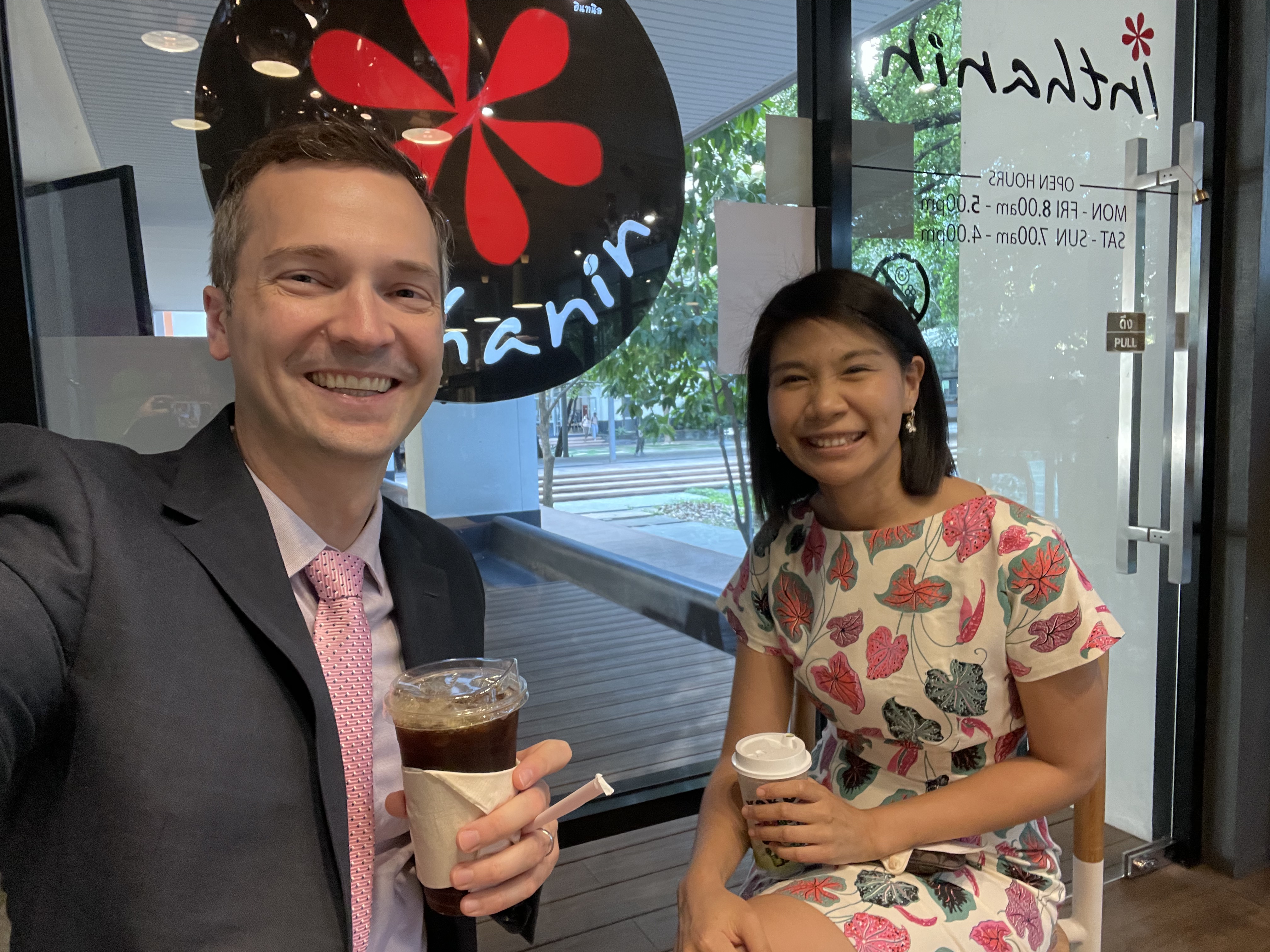
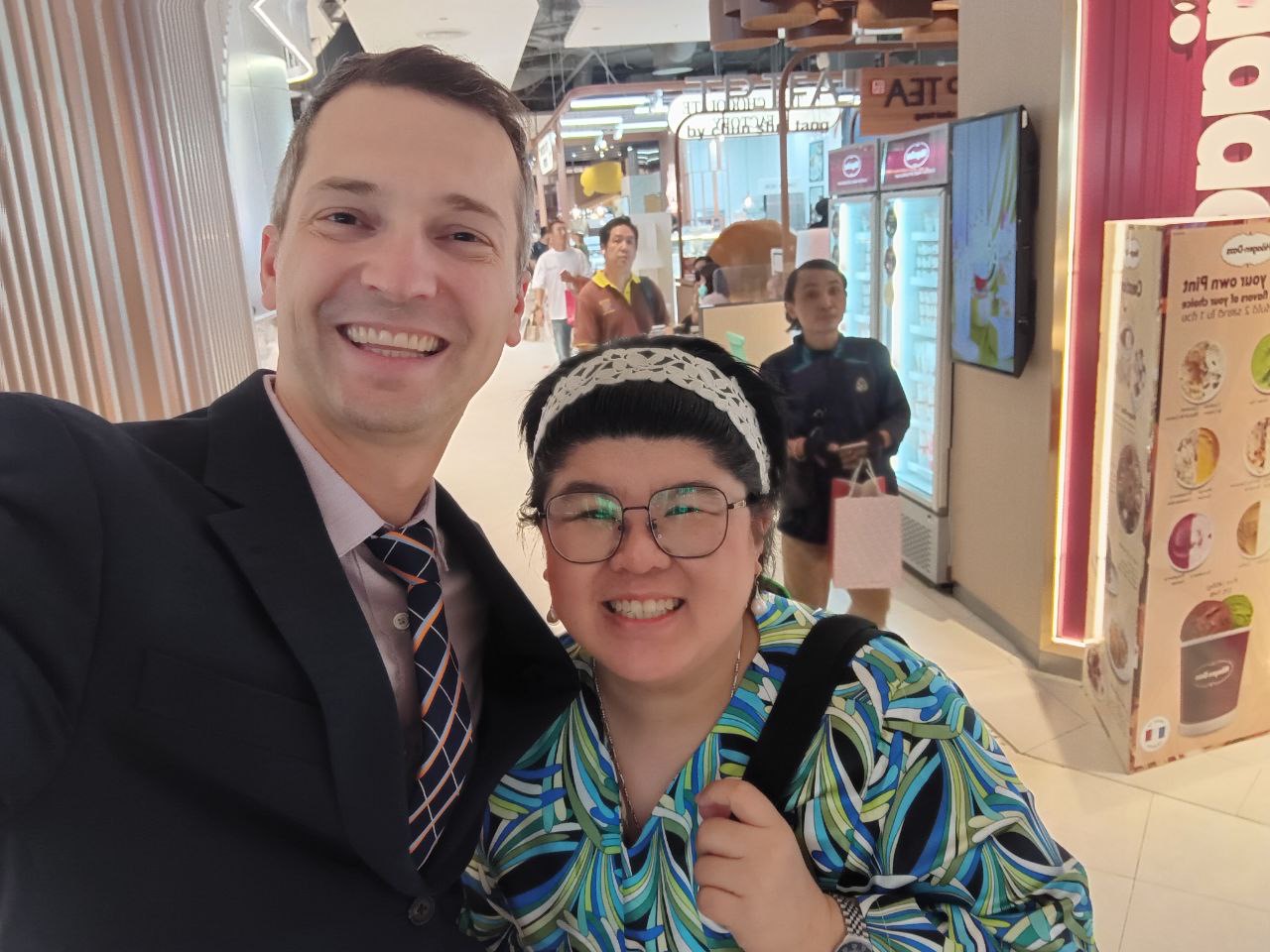
Last but not least, I had a great meal and conversation with my friend Amp. I got to know Amp almost 10 years ago when I reviewed her book on higher education in Thailand. Amp did her PhD in international education at Teachers College, Columbia University and has done a lot of cool work recently on TV promoting education throughout Thailand. We always laugh a lot and I am so glad to see her doing well.
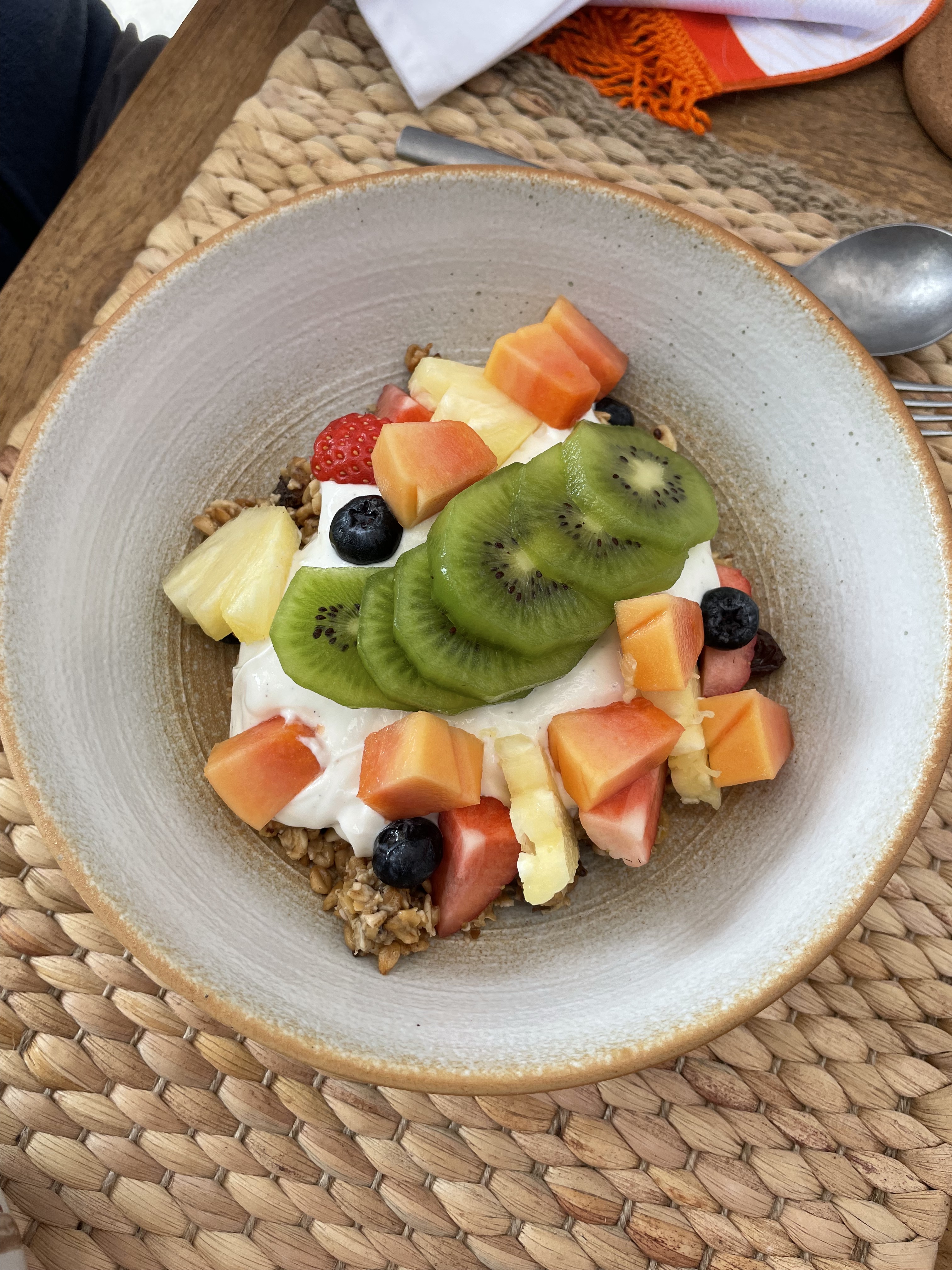
Since I started my post talking about literal and figurative fruit, here is some of the literal fruit we enjoyed at the beginning of our trip from Visama Lodges in Mae Cham, Chiang Rai. Visama is a new resort near the Friends of Thai Daughters (FTD) Sunflower Farm where the girls are able to gain work experience in business and hospitality. Check out FTD and Visama if you haven’t already!
Onward.
 Oliver S. Crocco