Getting the Word Passed to Me
20 February 2022
I’m nearing the end of How the Word is Passed: A Reckoning with the History of Slavery Across America by Dr. Clint Smith. I heard of this book because the author was featured on the cover of the Harvard Graduate School of Education magazine this month. The book is narrative non-fiction and takes the readers on a journey to different sites throughout the U.S. that highlight how we learn and think about the legacy of slavery in this country. I was particularly drawn to the book because Smith is from Louisiana and two of the chapters spotlight locations in Louisiana: The Whitney Plantation and Angola Prison. The author utilizes his skill in poetry and education to gently but compellingly reflect on “how the word is passed” — a quote from one of his participants. I got my mom to start reading it. With my sister in town, we decided to drive down 45 minutes to visit the Whitney Plantation and see for ourselves.

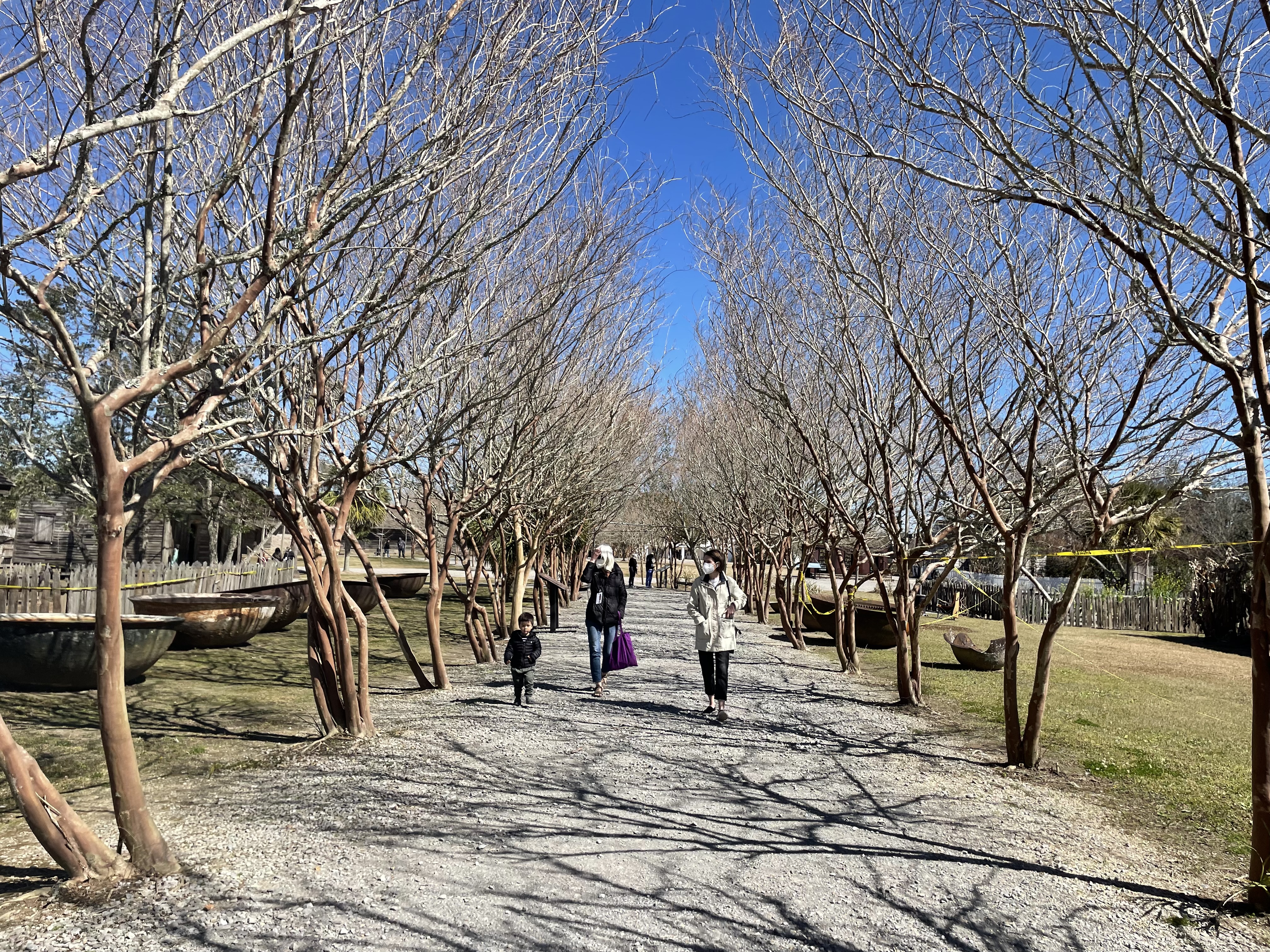
The plantation was renovated by a New Orleans trial attorney who bought it for other purposes but decided to turn it into a museum upon learning the story and significance of the location. As he read about the property, he found documents that put dollar values on each enslaved person and showed how one woman who had nine children in eleven years was labeled a “good breeder.” Enslaved women were commonly forced to have children with different enslaved men — whoever the master deemed most genetically favorable. Masters at plantations like this often raped the enslaved women themselves as well. The enslaved people had virtually no bodily autonomy, no education, and no rights. As the founder says, we learn deeply about the Holocaust and ponder its legacy and lessons. We must also do that for the history of slavery in this country.
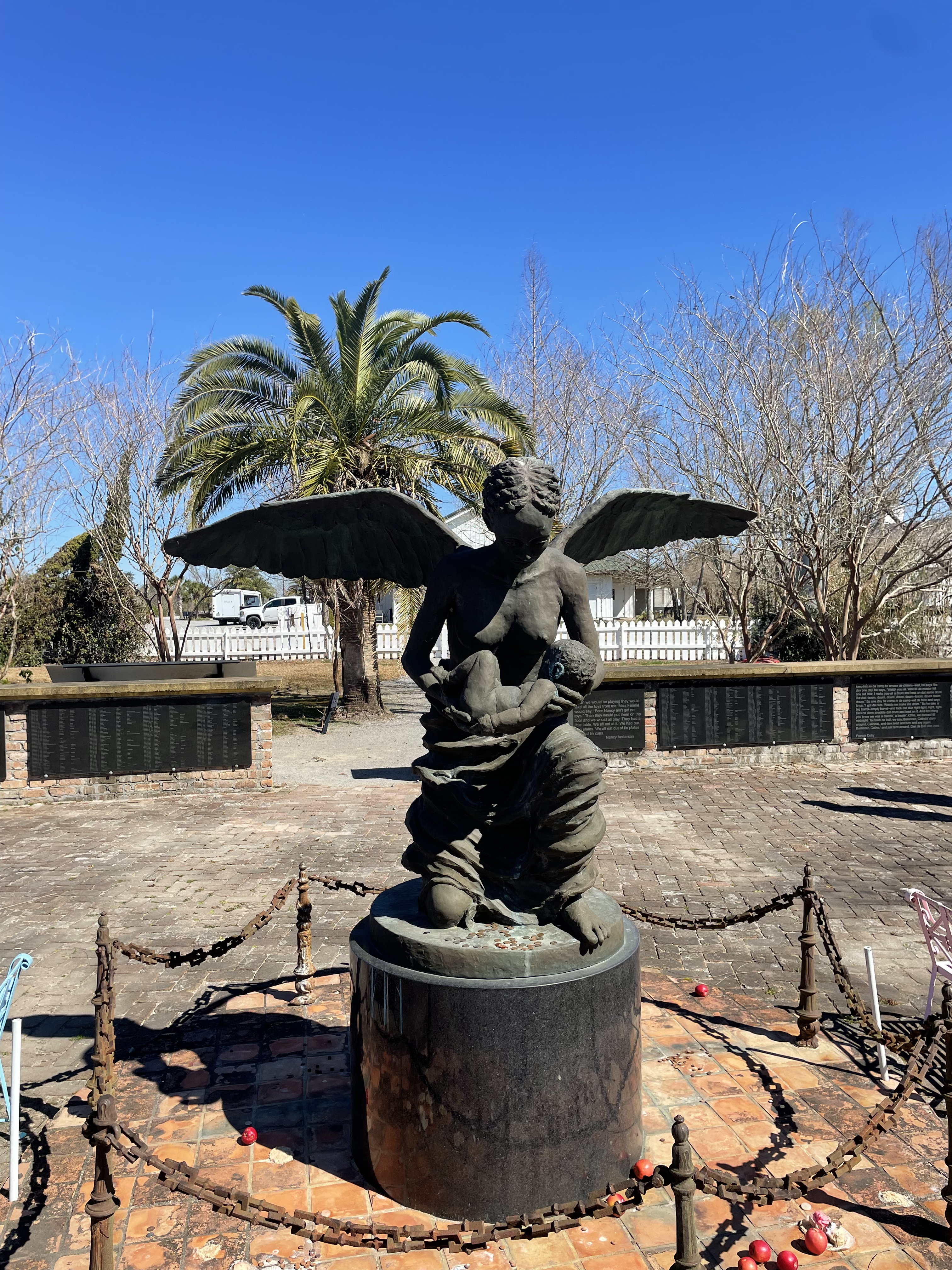
As a relatively new father, it hit hardest thinking about the enslaved children. Many were sold and forced to leave their mothers, fathers, and siblings. At 10, they began working in the fields. Many died from disease, malnourishment, or abuse. They didn’t have the opportunity to play, learn about the world, and experience joy. The museum had statues of the children throughout and a memorial entitled the Field of Angels, which honors the 2200 enslaved children who died in St. John the Baptist Parish between 1823-1863.
Dr. Ibramhima Seck, the Senegalese academic director of the Whitney Plantation and author of a book about the Whitney Plantation and slavery in Louisiana is one of the voices in the guided tour, which is available for free here. At the end of the tour Dr. Seck says, “If you leave the plantation feeling guilty or angry, that means I have failed in my mission. Because this museum is about educating people about the past. It may be a very painful past, but we cannot hide history. Hidden history hurts.” Perhaps Dr. Seck has failed slightly with me because I am quite angry, disappointed, and sad. I also feel gratitude to scholars like Dr. Seck and Dr. Smith who have contributed to my learning about the legacy of slavery in this country.
In my own work as a scholar of leadership and human resource development (HRD), it is clear to me that we must reconcile with the legacy of exploitation and slavery. Thinking about people as “capital” has fairly clear roots in slavery in this country, which is demonstrated in the book Accounting for Slavery: Masters and Management by Caitlin Rosenthal (Harvard University Press, 2019). Thinking about people as “resources” isn’t much better, unfortunately. I serve on the editorial board for Human Resource Development Review and I’m pleased to see they just published this powerful article by my colleague Dr. Jeremy Bohonos and Dr. ArCasia James-Gallaway on “Enslavement and the Foundations of Human Resource Development.” This should be required reading for all introduction to HRD courses. I recently reached out to Dr. Bohonos and he also recommended Slavery’s Capitalism: A New History of American Economic Development by Beckert and Rockman (University of Pennsylvania Press, 2018) and The Production of Difference: Race and Management of Labor in U.S. History by Roediger and Esch (Oxford University Press, 2014).
Even though my primary research interests are in Southeast Asia, I think it is incumbent on all of us to critically reflect on how slavery and exploitation have influenced (and continue to influence) how we think about human beings, work, and freedom.
Onward.
 Oliver S. Crocco